 © Kevauto · CC BY-SA 4.0
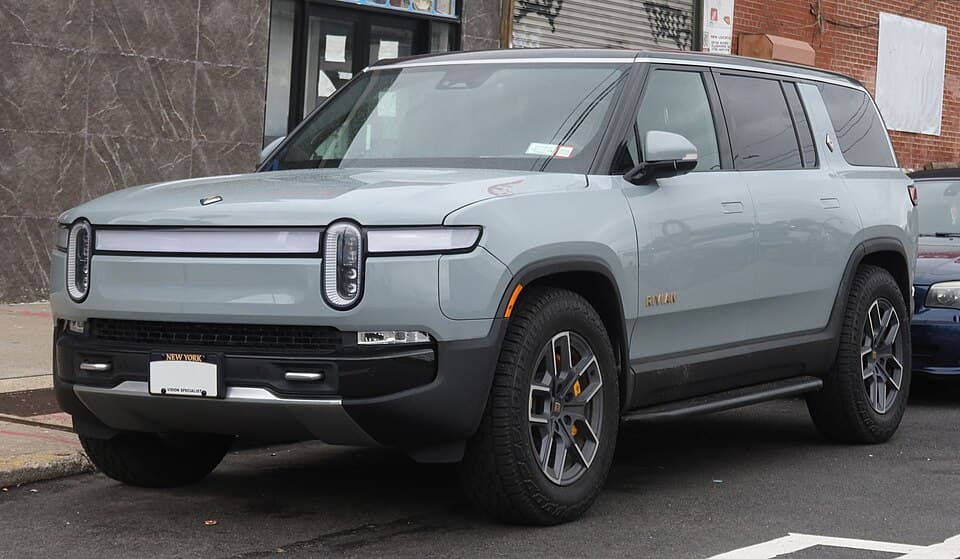
Rivian R1S
from $78,000410 mi range · tows 7,700 lbs
Three-row family SUV that can also climb a mountain.
Wyoming EV guide
Wyoming is the lowest-population state in the country and one of the vastest by area. There is no state EV credit, and the fossil-fuel economy (coal, oil, and gas) keeps EV politics modest. Realistically, EV ownership in Wyoming works along the I-80 corridor (Cheyenne, Laramie, Rawlins, Rock Springs, Evanston) and the I-25 corridor (Cheyenne, Casper). Everywhere else is still genuinely hard.
With the federal $7,500 EV credit ended Sept 30, 2025, manufacturer cash discounts of $7,500–$10,000 are the main lever. Rocky Mountain Power serves most of the populated state; Black Hills Energy covers Cheyenne and parts of the southeast. Neither offers headline EV rates yet, though Rocky Mountain Power's broader regional EV TOU programs extend into Wyoming.
The federal $7,500 EV credit ended Sept 30, 2025 — but these incentives are still live in 2026.
No major state-level EV purchase credit on file. Check your local utility for charger rebates ($200–$1,500 in many areas).
Most OEMs are offering cash on the hood to replace the lost federal credit. Varies by brand, model, and month.
30% of install cost up to $1,000 for personal use. Install before June 30, 2026.
Worth roughly $300–$600/year at typical loan rates and tax brackets.
Programs change. Verify state credits at the DOE state incentive database and federal status at irs.gov.
Picked for Wyoming's climate, terrain, and the cars you'll actually see on dealer lots.
© Kevauto · CC BY-SA 4.0Three-row family SUV that can also climb a mountain.
 © Vauxford · CC BY-SA 4.0
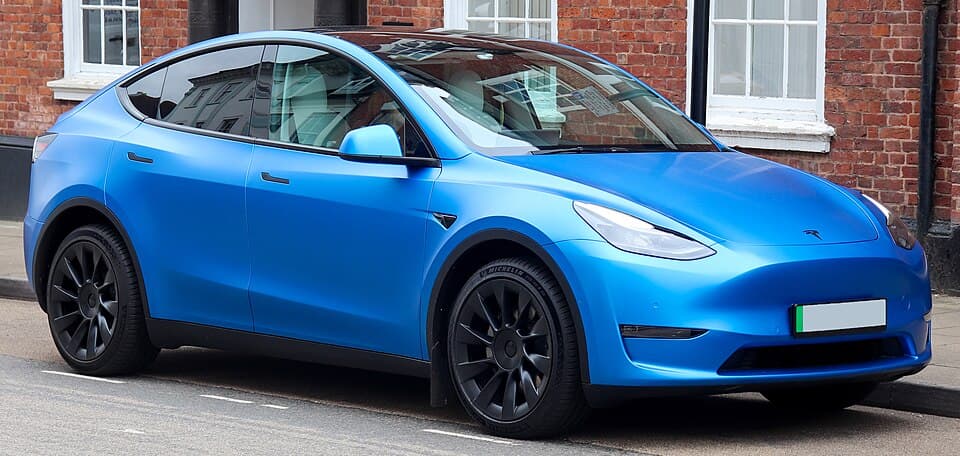
America's best-selling EV. Cargo space + Supercharger access.
 © Elise240SX · CC BY-SA 4.0
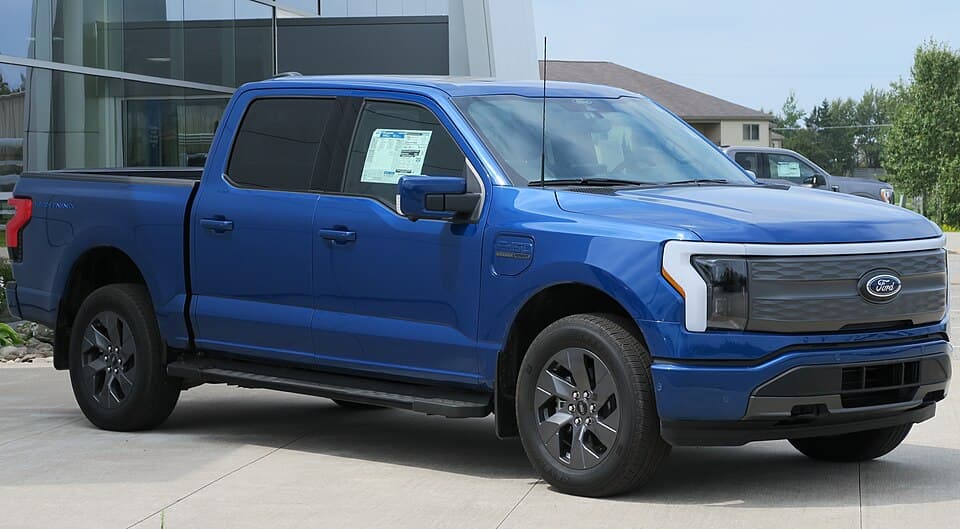
The familiar F-150, electric. Powers your house in a blackout.
 © © M 93 · CC BY-SA 3.0 de
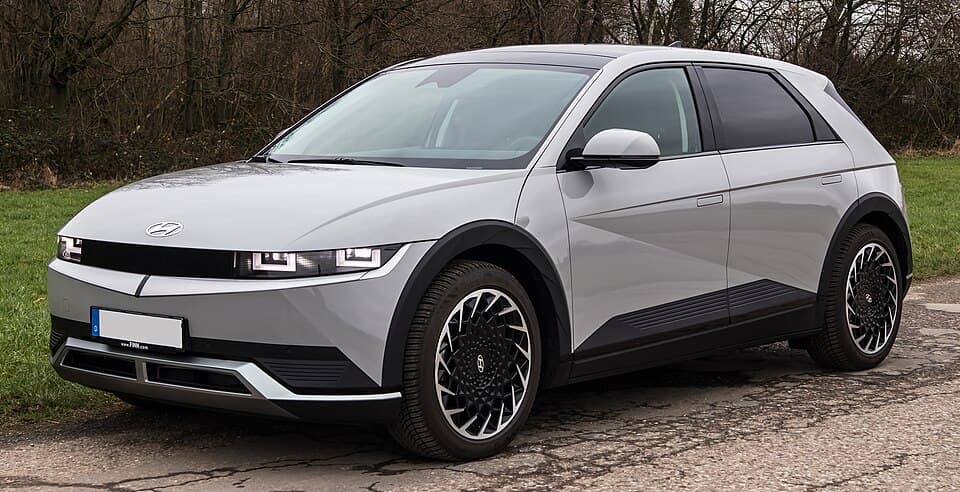
Retro-futurist styling, 18-minute fast charging.
Wyoming winters are real and varied. Cheyenne and Laramie sit high (over 7,000 ft elevation in Laramie) and get sustained sub-freezing weather with occasional sub-zero stretches. Casper, Riverton, and Lander see deep winter cold. The Yellowstone and Teton country in the northwest gets genuine mountain winter — snow on the ground from October through May in the high country.
Expect 22–32% range loss on the coldest weeks. Heat-pump- equipped EVs (Tesla, Hyundai/Kia, newer Mach-Es) handle Wyoming cold meaningfully better. AWD is essentially mandatory. Wind is a year-round efficiency factor — sustained 40+ mph prairie winds eat real range on east-west driving.
The elevation factor: most of Wyoming sits above 5,000 ft and a lot of it sits above 7,000 ft. Thinner air helps aero efficiency slightly but the constant ascents and descents on US-191, US-26, and the WY-130 over the Snowy Range work the powertrain hard. Regen recovery from descents is real and helpful.
I-80 east-west across southern Wyoming (Cheyenne through Laramie, Rawlins, Rock Springs, and Evanston to the Utah border) is the main charging spine. Tesla Superchargers and Electrify America stations cover it at workable but not luxurious intervals. The drive across Wyoming on I-80 is one of the more committed long-distance EV legs in the lower 48 and requires a long-range battery in deep winter.
I-25 north-south (Cheyenne through Casper and on to the Montana border) is improving. The Yellowstone and Teton corridors via Jackson and Cody have growing charging infrastructure thanks to tourism — Jackson, Pinedale, and Cody all have working DC fast charging. Yellowstone west entrance access via West Yellowstone, MT is feasible in long-range EVs.
Off these corridors, charging is genuinely sparse. Northeast Wyoming (Gillette, Sheridan, Buffalo) has improving I-90 coverage. The Bighorn Basin, the Wind River Range fringe, and the entire eastern prairie are essentially charging deserts. PlugShare planning is mandatory for any trip off the interstate spine.
Ranch truck note: the Rivian R1T and Ford F-150 Lightning both get honest looks from Wyoming ranchers for in-field work and bidirectional power export at remote sites. For long-haul cattle and hay trailering across the eastern plains, a diesel still wins; for daily ranch chores plus the occasional 50-mile town run, the electric trucks pencil out in the I-80 and I-25 corridors.
Honest Wyoming verdict: if you live in Cheyenne, Laramie, Casper, or Jackson with a home charger and a long-range EV, ownership genuinely works. If you live deep in the basin, the prairie, or the high country and regularly drive 200+ miles of empty road, a hybrid is still the more honest choice. Don't pretend otherwise.
The quiz factors in your driving, charging, budget, and your state's current incentives.
Take the quiz →