 © Vauxford · CC BY-SA 4.0
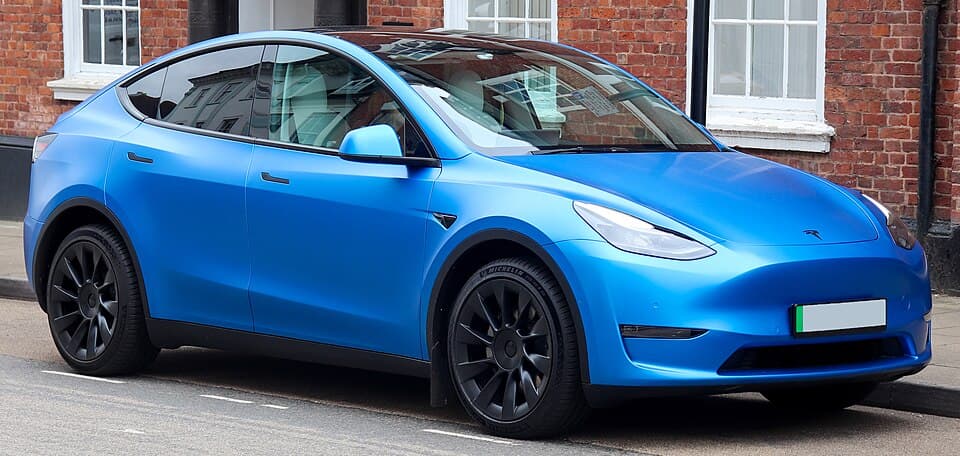
Tesla Model Y
from $45,000320 mi range · tows 3,500 lbs
America's best-selling EV. Cargo space + Supercharger access.
Wisconsin EV guide
Wisconsin doesn't have a state EV purchase credit, but it has two real advantages: cheap electricity (We Energies, MGE, Wisconsin Public Service all offer competitive EV rates), and a charging network that's caught up to most Midwest states in the past two years. Madison and Milwaukee both have solid Tesla Supercharger and Electrify America coverage now.
Manufacturer cash discounts ($7,500–$10,000 typical post-OBBBA) plus the federal home charger credit (30% up to $1,000 through June 30, 2026) are your main savings levers.
The federal $7,500 EV credit ended Sept 30, 2025 — but these incentives are still live in 2026.
No major state-level EV purchase credit on file. Check your local utility for charger rebates ($200–$1,500 in many areas).
Most OEMs are offering cash on the hood to replace the lost federal credit. Varies by brand, model, and month.
30% of install cost up to $1,000 for personal use. Install before June 30, 2026.
Worth roughly $300–$600/year at typical loan rates and tax brackets.
Programs change. Verify state credits at the DOE state incentive database and federal status at irs.gov.
Picked for Wisconsin's climate, terrain, and the cars you'll actually see on dealer lots.
© Vauxford · CC BY-SA 4.0America's best-selling EV. Cargo space + Supercharger access.
 © © M 93 · CC BY-SA 3.0 de
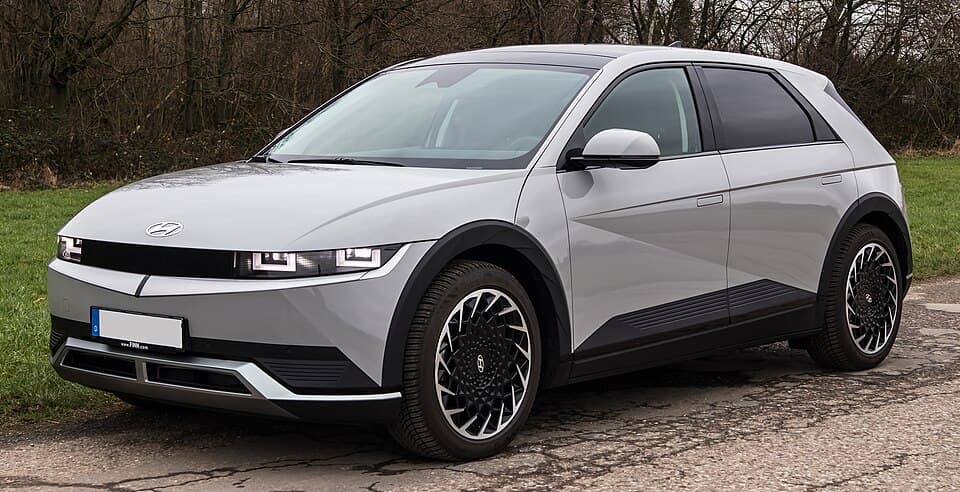
Retro-futurist styling, 18-minute fast charging.
 © Elise240SX · CC BY-SA 4.0
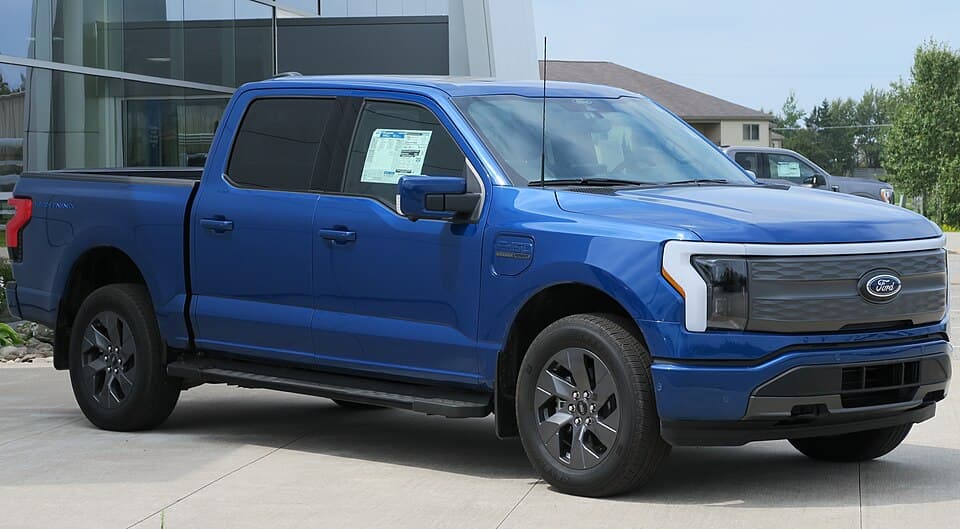
The familiar F-150, electric. Powers your house in a blackout.
 © Kevauto · CC BY-SA 4.0
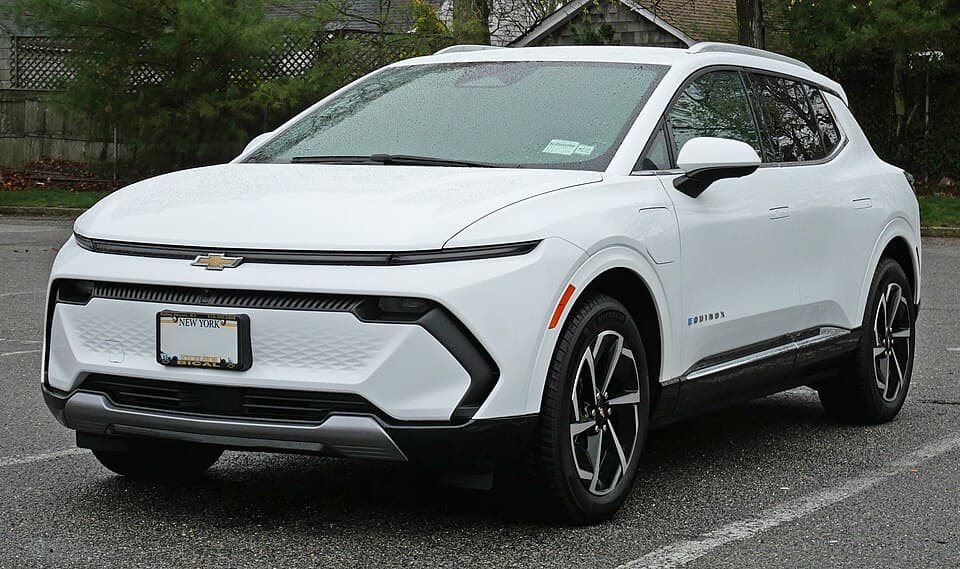
Best value EV SUV. 300+ miles for the price of a Camry.
Wisconsin winters split between "manageable" (Milwaukee, Madison, the southeast corner — somewhat moderated by Lake Michigan) and "brutal" (the Northwoods, the Driftless, anywhere north of US-29). Expect 22–30% range loss on the coldest weeks, more in the north.
Heat-pump-equipped EVs (Tesla, Hyundai/Kia, newer Mach-Es) handle Wisconsin cold significantly better. AWD is worth paying for if you're outside the immediate Milwaukee/Madison metros. The Up North driving conditions (December–March) genuinely demand it.
Summer is mild — no extreme heat aging concerns. The Door County peninsula and Lake Michigan shore have some of the friendliest year-round EV climate in the Midwest.
I-94 from Madison to Milwaukee to the Illinois border has excellent fast charging. I-43 (Milwaukee to Green Bay) is solid. I-90/I-39 corridor through Madison to the Twin Cities works well too.
The gaps are in the Driftless (southwest Wisconsin), the Northwoods, and the Door County peninsula. Tesla Superchargers have expanded into the Northwoods recently (Wausau, Rhinelander) but coverage off the major highways is still spotty. PlugShare-level planning required for vacation routes.
We Energies (Milwaukee area), MGE (Madison area), and Wisconsin Public Service (Green Bay/Fox Valley) all offer EV-specific time-of-use rate plans that drop overnight charging to about $0.08/kWh. Worth a call the day you take delivery.
The Wisconsin gas-vs-electric truck question: if you're in rural Wisconsin and tow boats, trailers, or hunting gear, an F-150 Lightning works for local hauling but a hybrid F-150 PowerBoost is the realistic 2026 answer for actual long-distance towing. The charging network up north still has too many gaps for confident trailer towing.
The quiz factors in your driving, charging, budget, and your state's current incentives.
Take the quiz →