 © Vauxford · CC BY-SA 4.0
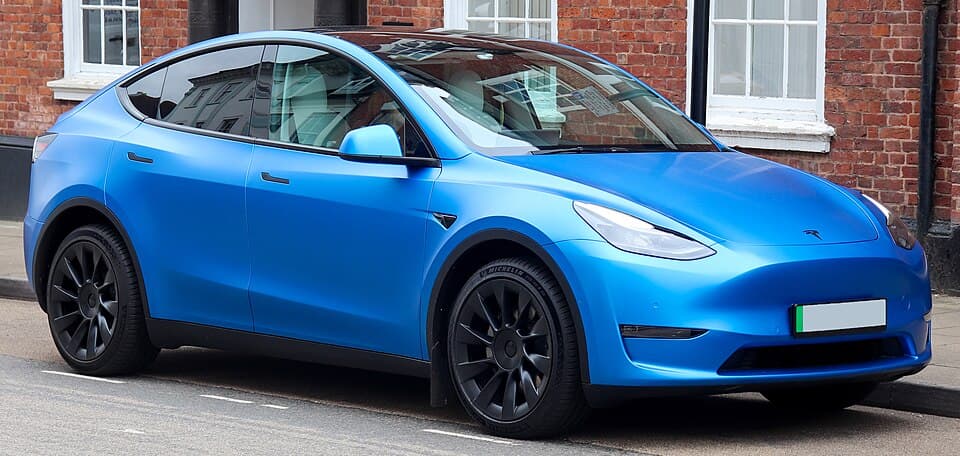
Tesla Model Y
from $45,000320 mi range · tows 3,500 lbs
America's best-selling EV. Cargo space + Supercharger access.
Virginia EV guide
Virginia doesn't have a state EV purchase credit (the proposed program expired without funding), but it has two structural advantages: Northern Virginia's exceptional charging infrastructure (one of the densest in the country), and Dominion Energy's competitive EV rate plans.
With the federal $7,500 EV credit gone (ended Sept 30, 2025), manufacturer cash discounts of $7,500–$10,000 are the main lever in Virginia. The federal home charger credit (30% up to $1,000 through June 30, 2026) still applies, and the new federal auto loan interest deduction (up to $10k/yr) is a real factor on financed purchases.
The federal $7,500 EV credit ended Sept 30, 2025 — but these incentives are still live in 2026.
No major state-level EV purchase credit on file. Check your local utility for charger rebates ($200–$1,500 in many areas).
Most OEMs are offering cash on the hood to replace the lost federal credit. Varies by brand, model, and month.
30% of install cost up to $1,000 for personal use. Install before June 30, 2026.
Worth roughly $300–$600/year at typical loan rates and tax brackets.
Programs change. Verify state credits at the DOE state incentive database and federal status at irs.gov.
Picked for Virginia's climate, terrain, and the cars you'll actually see on dealer lots.
© Vauxford · CC BY-SA 4.0America's best-selling EV. Cargo space + Supercharger access.
 © © M 93 · CC BY-SA 3.0 de
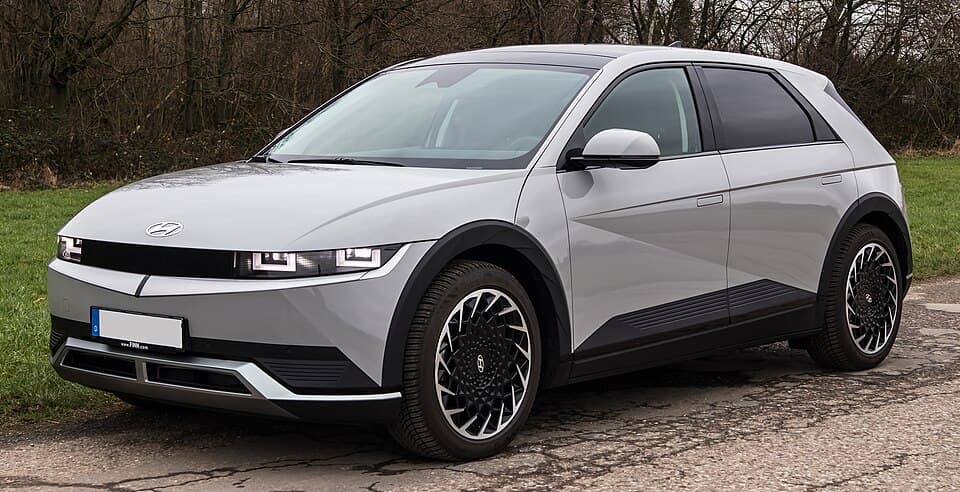
Retro-futurist styling, 18-minute fast charging.
 © Vauxford · CC BY-SA 4.0
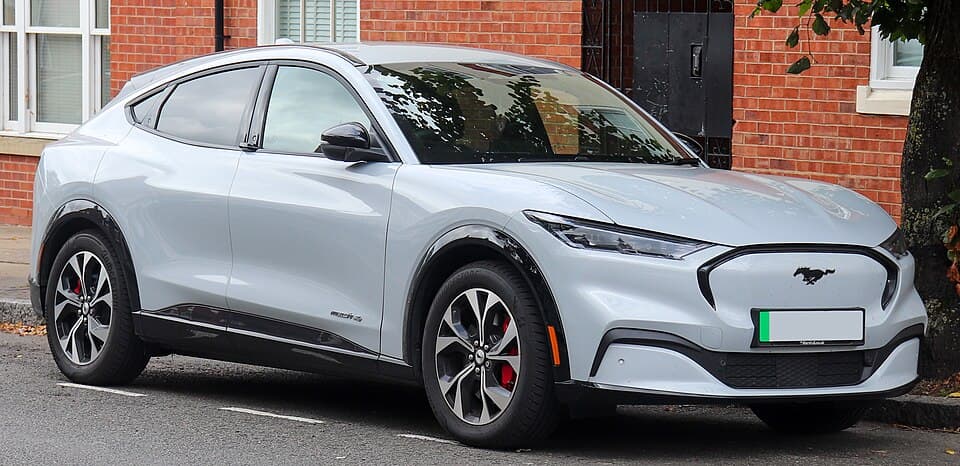
Now with Supercharger access. Roomy and quick.
 © Kevauto · CC BY-SA 4.0
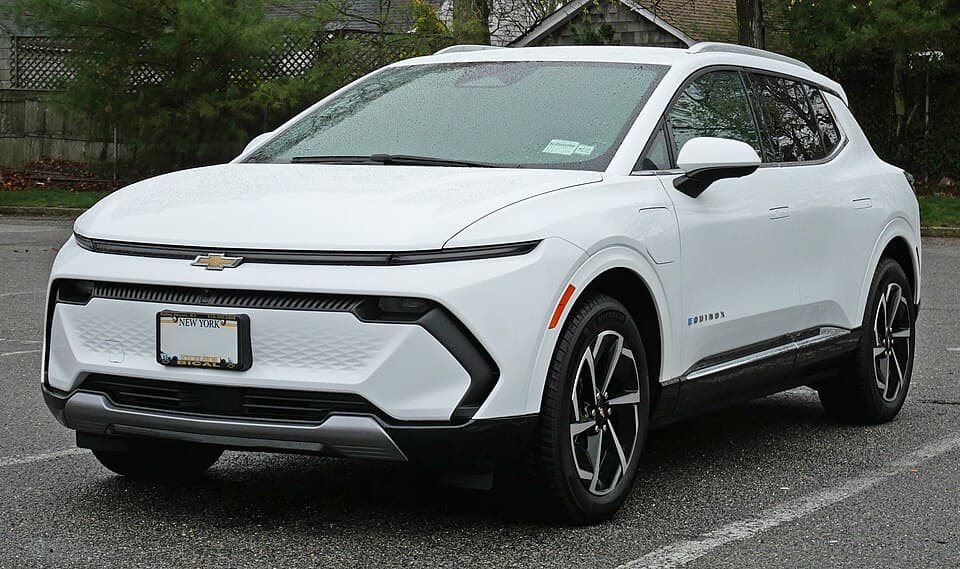
Best value EV SUV. 300+ miles for the price of a Camry.
Virginia winters are mild relative to most of the East Coast. Tidewater (Hampton Roads, Virginia Beach) sees the mildest winters; Northern Virginia and the Shenandoah are colder; the Appalachian counties get real winter. Expect 15–22% range loss on the coldest weeks in metro areas.
Heat-pump-equipped EVs (Tesla, Hyundai/Kia, newer Mach-Es) handle Virginia cold without issue. AWD is worth paying for if you're west of I-95 in the mountain regions; the Tidewater and Piedmont are fine with FWD/RWD.
Summer humidity in eastern Virginia is real — AC will run hard, costs 5–8% range on the hottest days. Not a long-term battery aging concern.
Northern Virginia (Fairfax, Loudoun, Arlington, Alexandria) has one of the best EV charging networks in America — Tesla Supercharger density rivals California, Electrify America has expanded aggressively in the DC metro, and most major shopping centers have L2 chargers. I-66, I-95, I-395, I-495 all well-served.
I-95 south to Richmond, Hampton Roads, and the North Carolina border has excellent coverage. I-81 in the Shenandoah Valley has improved significantly. I-64 east-west is solid.
Dominion Energy offers EV-specific time-of-use rate plans that drop overnight charging to about $0.10/kWh in most of the state. APCO (western VA) and rural electric cooperatives have similar programs in their territories.
The DC commuter angle: a substantial share of Northern Virginia EV buyers commute into DC. Many federal agencies and large employers in DC have garage charging. Combined with EV-friendly Metro parking garages (Vienna, Reston, Springfield, Franconia all have L2 now), charging while at work means home charging matters less.
Rural Virginia caveat: driving deep into southwestern Virginia (Bristol, Wise County) or the Eastern Shore still requires more charging planning. The picture is improving but rural fast-charging gaps remain real.
The quiz factors in your driving, charging, budget, and your state's current incentives.
Take the quiz →