 © Vauxford · CC BY-SA 4.0
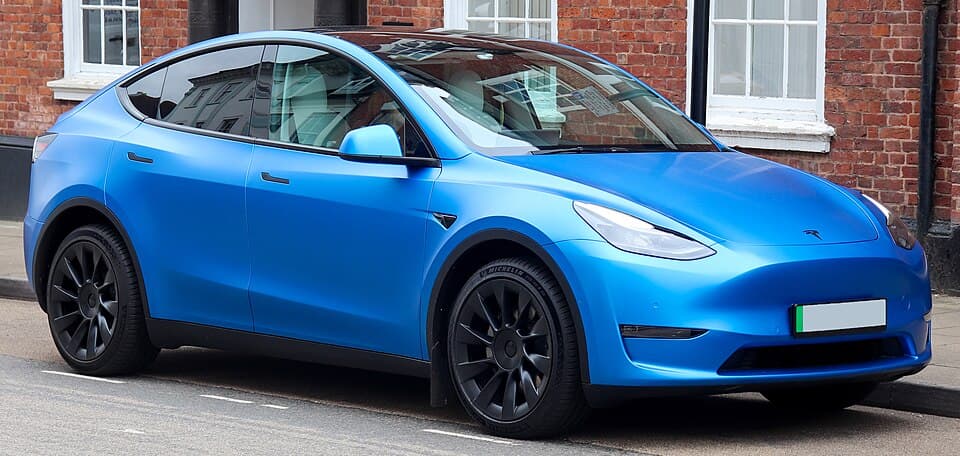
Tesla Model Y
from $45,000320 mi range · tows 3,500 lbs
America's best-selling EV. Cargo space + Supercharger access.
Vermont EV guide
Vermont's Drive Electric Vermont program is the most generous per-capita EV incentive stack in the country. Up to $5,000 state-side (income-tiered, with the lowest-income tier getting the full amount), no vehicle price cap on the base $1,500 tier, and stackable with both manufacturer cash discounts and the still-valid federal home charger credit.
A moderate-income Vermonter picking a $40k Hyundai Ioniq 5 in 2026 can realistically stack $5,000 state + $7,500 manufacturer discount + $1,000 home charger credit = $13,500 in effective savings, before utility rebates. That's better than what most California buyers see after the federal credit ended.
The federal $7,500 EV credit ended Sept 30, 2025 — but these incentives are still live in 2026.
Up to $5,000 income-tiered.
Most OEMs are offering cash on the hood to replace the lost federal credit. Varies by brand, model, and month.
30% of install cost up to $1,000 for personal use. Install before June 30, 2026.
Worth roughly $300–$600/year at typical loan rates and tax brackets.
Programs change. Verify state credits at the DOE state incentive database and federal status at irs.gov.
Picked for Vermont's climate, terrain, and the cars you'll actually see on dealer lots.
© Vauxford · CC BY-SA 4.0America's best-selling EV. Cargo space + Supercharger access.
 © © M 93 · CC BY-SA 3.0 de
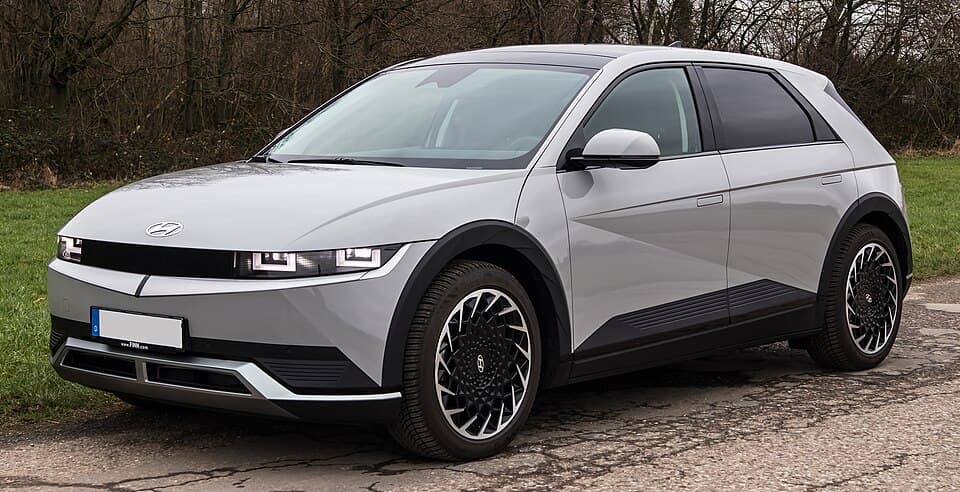
Retro-futurist styling, 18-minute fast charging.
 © Vauxford · CC BY-SA 4.0
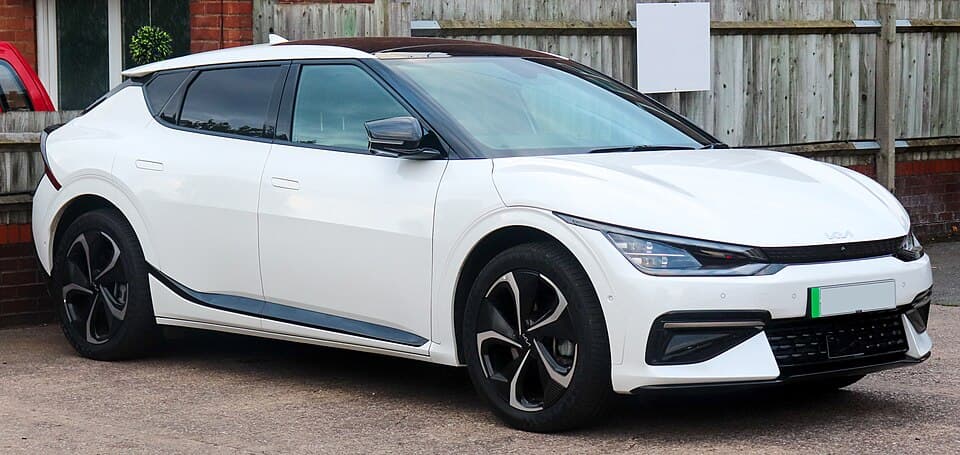
Sportier sibling to the Ioniq 5. GT trim does 0–60 in 3.4s.
 © Kevauto · CC BY-SA 4.0
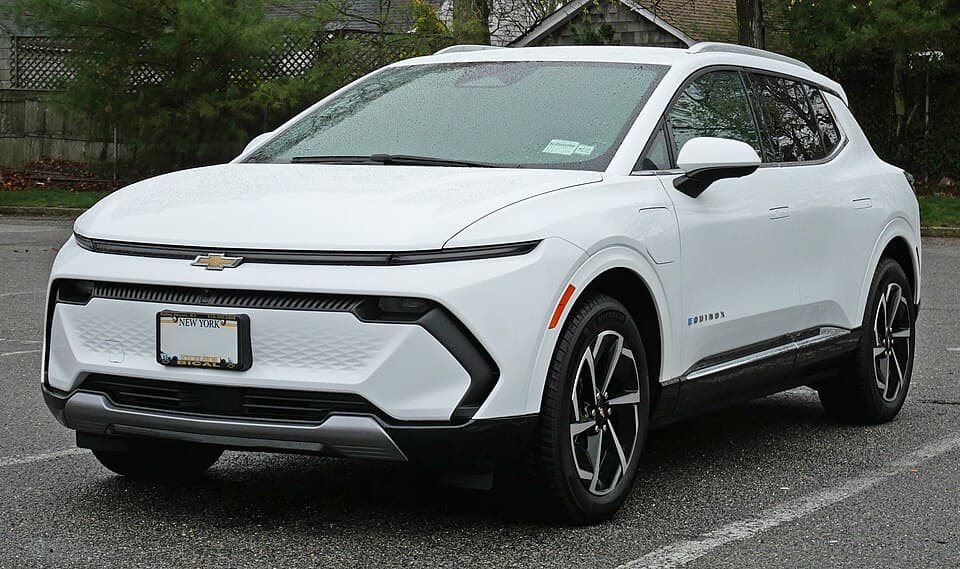
Best value EV SUV. 300+ miles for the price of a Camry.
Vermont winters are real. Sustained sub-zero temperatures in January and February, lake-effect snow off Lake Champlain in the Northwest Kingdom, mountain weather in the Greens. Expect 25–35% range loss on the coldest weeks. Heat-pump-equipped EVs (Tesla, Hyundai/Kia, newer Mach-Es) lose meaningfully less.
For Vermont specifically: target at least 280 miles EPA range so winter real-world stays above 200 miles. AWD is essentially mandatory if you live outside Burlington — the gravel mountain roads in mud season and the snow packs in winter both demand it. The newer Subarus and Hyundai/Kia AWD variants handle Vermont winters as well as anything.
Summer in Vermont is a remarkable EV climate — mild, low humidity, no extreme heat aging concerns. The shoulder seasons (foliage season, mid-April through mid-May) are peak Vermont EV bliss.
Vermont's grid is genuinely clean — heavy on Hydro-Québec imports and in-state hydro, with growing solar. Every mile electric in Vermont is roughly a zero-emission mile, which matters if that's part of your calculation.
Highway charging on I-89 and I-91 has improved significantly. Tesla Superchargers cover the major corridors well; Electrify America has expanded into Burlington and Montpelier. The Northeast Kingdom and the southern Green Mountains still have real charging gaps — vacation destinations like Stowe, Killington, and Manchester have improved coverage, but you'll still PlugShare-plan for trips off the interstates.
Burlington Electric, Green Mountain Power, and Vermont Electric Cooperative all offer EV-specific time-of-use rate plans that drop overnight charging to about $0.07–0.10/kWh. GMP also runs a unique "Bring Your Own Device" program that lets you connect your home charger to their grid management for additional bill credits.
The Vermont rural-driving question: the Drive Electric Vermont rebate explicitly includes used EVs at lower funding tiers, and the state has been aggressive about subsidizing charging at general stores, town halls, and other community anchors. Rural Vermont EV ownership is more viable here than in most rural US.
The quiz factors in your driving, charging, budget, and your state's current incentives.
Take the quiz →