 © Vauxford · CC BY-SA 4.0
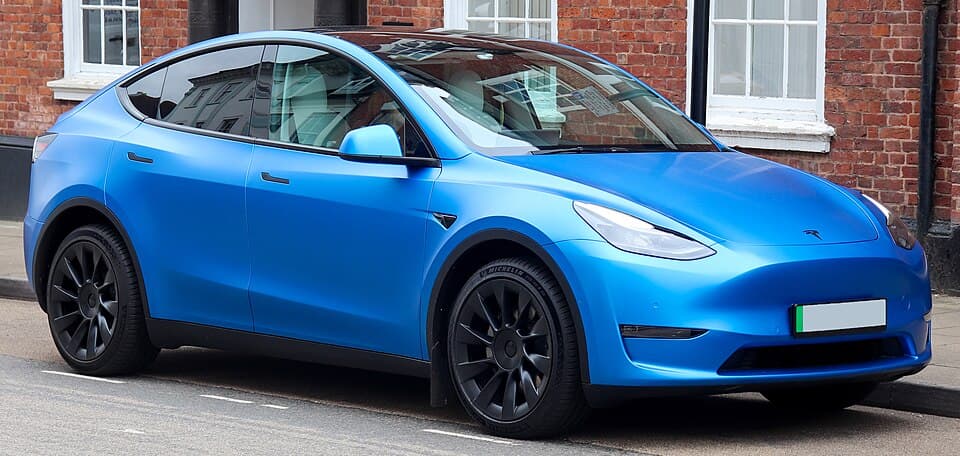
Tesla Model Y
from $45,000320 mi range · tows 3,500 lbs
America's best-selling EV. Cargo space + Supercharger access.
Utah EV guide
Utah doesn't have a state EV purchase credit, but the Salt Lake City and Provo tech-industry boom has driven strong EV adoption along the Wasatch Front. Utah ranks consistently in the top 10 states for per-capita EV registrations.
With the federal $7,500 EV credit ended Sept 30, 2025, manufacturer cash discounts of $7,500–$10,000 are the main lever for Utah buyers. Rivian's strong dealer presence in Utah (Park City flagship + service hub) makes the R1S and R1T particularly competitive here for ski-country and outdoor buyers.
The federal $7,500 EV credit ended Sept 30, 2025 — but these incentives are still live in 2026.
No major state-level EV purchase credit on file. Check your local utility for charger rebates ($200–$1,500 in many areas).
Most OEMs are offering cash on the hood to replace the lost federal credit. Varies by brand, model, and month.
30% of install cost up to $1,000 for personal use. Install before June 30, 2026.
Worth roughly $300–$600/year at typical loan rates and tax brackets.
Programs change. Verify state credits at the DOE state incentive database and federal status at irs.gov.
Picked for Utah's climate, terrain, and the cars you'll actually see on dealer lots.
© Vauxford · CC BY-SA 4.0America's best-selling EV. Cargo space + Supercharger access.
 © Kevauto · CC BY-SA 4.0
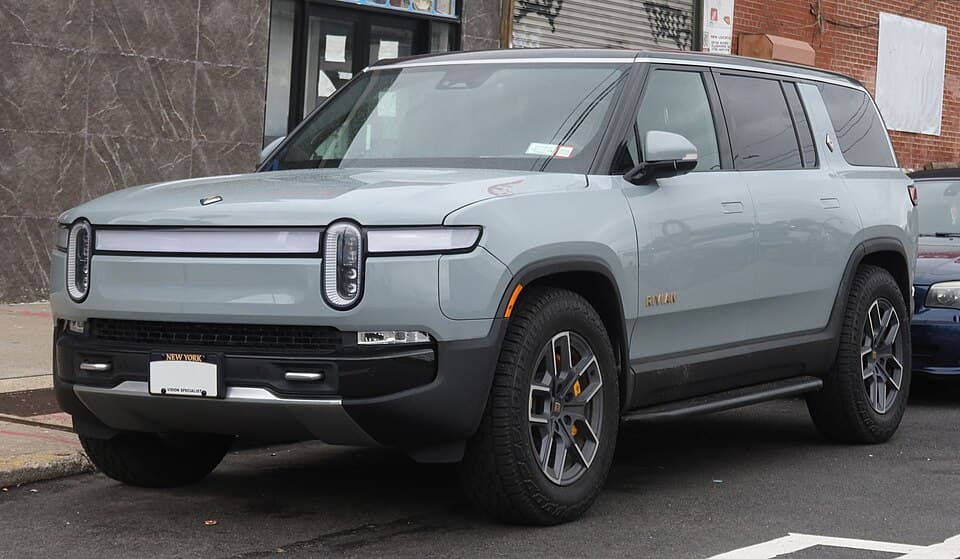
Three-row family SUV that can also climb a mountain.
 © © M 93 · CC BY-SA 3.0 de
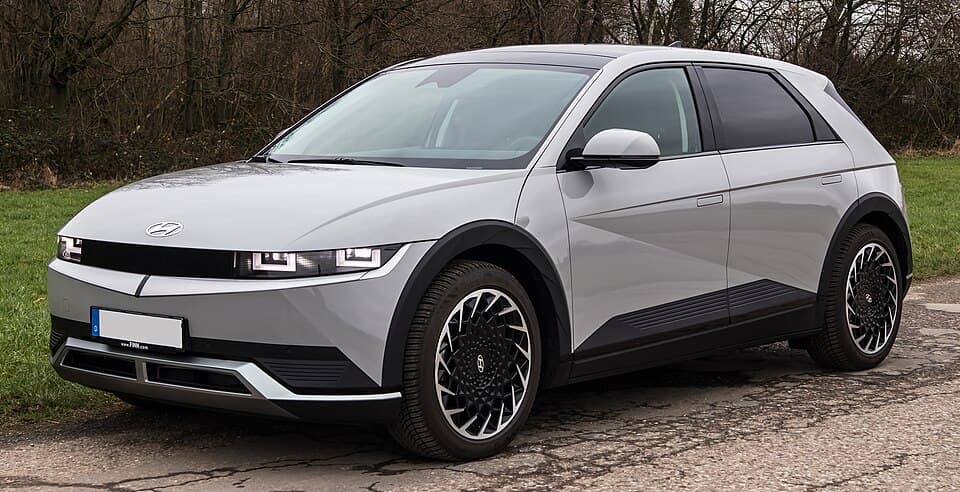
Retro-futurist styling, 18-minute fast charging.
 © Elise240SX · CC BY-SA 4.0
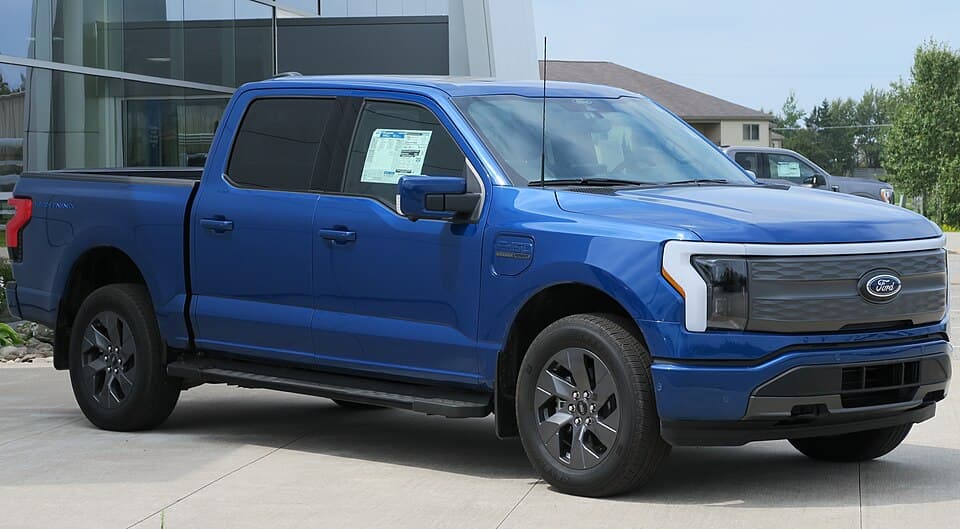
The familiar F-150, electric. Powers your house in a blackout.
Utah climate splits dramatically by elevation. The Salt Lake Valley and St. George (south) see mild winters; Park City, Heber, Logan, and the mountain communities get serious winter with 60+ psf snow loads and sustained sub-zero temps. Expect 22–32% range loss in mountain communities on the coldest weeks; 15–22% in the valleys.
Heat-pump-equipped EVs (Tesla, Hyundai/Kia, newer Mach-Es) handle Utah cold meaningfully better. AWD is essential for ski-country commuters and anyone living above 6,000 ft elevation.
Summer in the Salt Lake Valley and St. George hits 100°F+ regularly. Garage parking helps preserve battery life. Mountain summers are mild even at the same time the valleys are baking.
I-15 (the main north-south spine), I-80 (east-west to Wyoming and Nevada), and I-70 (south to Colorado) all have well-spaced Tesla Superchargers and Electrify America stations. Salt Lake City metro has excellent coverage. The drive to Park City is fully served. The drive to St. George via I-15 is one of the most reliable EV road-trip routes in the Mountain West.
Rocky Mountain Power offers EV-specific time-of-use rate plans that drop overnight charging to about $0.07–0.09/kWh — among the cheapest EV fueling in the country. Pair with rooftop solar (Utah has high sun hours despite mountain shading concerns) and the per-mile cost approaches zero.
The Utah ski country charging picture: Park City has improved meaningfully. Deer Valley, Snowbird, Alta, and Brighton all have at least L2 charging at major resort parking. Tesla Superchargers in Park City and Kimball Junction handle the typical SLC-to-Park-City commute easily.
Rural Utah caveat: the desert canyon country (Moab, Bryce, Zion, Arches, Capitol Reef) has improved fast-charging coverage along main routes but plan ahead for trips into the deeper backcountry. The southern Utah loop is increasingly feasible in long-range EVs but requires PlugShare planning.
The quiz factors in your driving, charging, budget, and your state's current incentives.
Take the quiz →