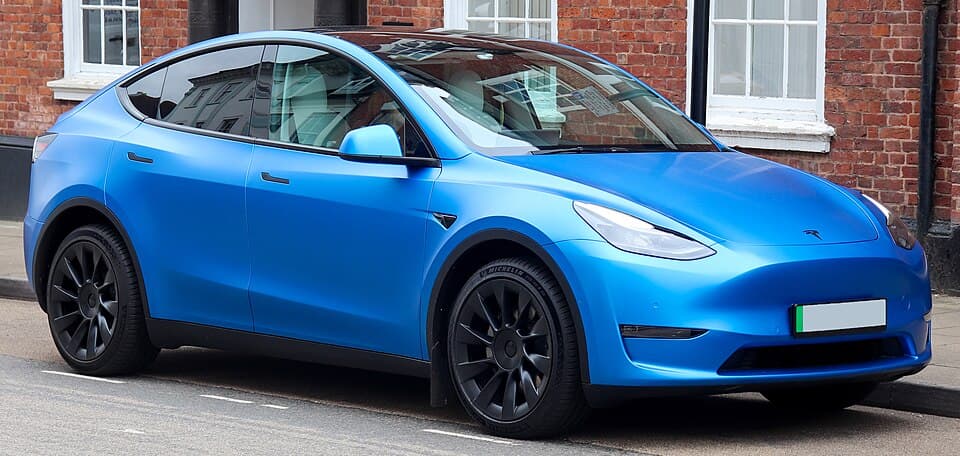
 © Vauxford · CC BY-SA 4.0
Tesla Model Y
from $45,000320 mi range · tows 3,500 lbs
America's best-selling EV. Cargo space + Supercharger access.
Texas EV guide
Texas is now the second-largest EV market in the country after California, and one of only two states where Tesla operates a Gigafactory (Austin). EV adoption has accelerated quickly — about 12% of new vehicle sales in the major metros (Austin, Houston, Dallas-Fort Worth) are now electric.
The state-level incentive is a $2,500 TCEQ rebate, but funding is limited and first-come, first-served — many model years the pool dries up by spring. The federal $7,500 EV credit ended Sept 30, 2025 — manufacturer cash discounts of $7,500–$10,000 are now the main lever here.
The federal $7,500 EV credit ended Sept 30, 2025 — but these incentives are still live in 2026.
$2,500; very limited annual funding — first-come basis.
Most OEMs are offering cash on the hood to replace the lost federal credit. Varies by brand, model, and month.
30% of install cost up to $1,000 for personal use. Install before June 30, 2026.
Worth roughly $300–$600/year at typical loan rates and tax brackets.
Programs change. Verify state credits at the DOE state incentive database and federal status at irs.gov.
Picked for Texas's climate, terrain, and the cars you'll actually see on dealer lots.
© Vauxford · CC BY-SA 4.0America's best-selling EV. Cargo space + Supercharger access.
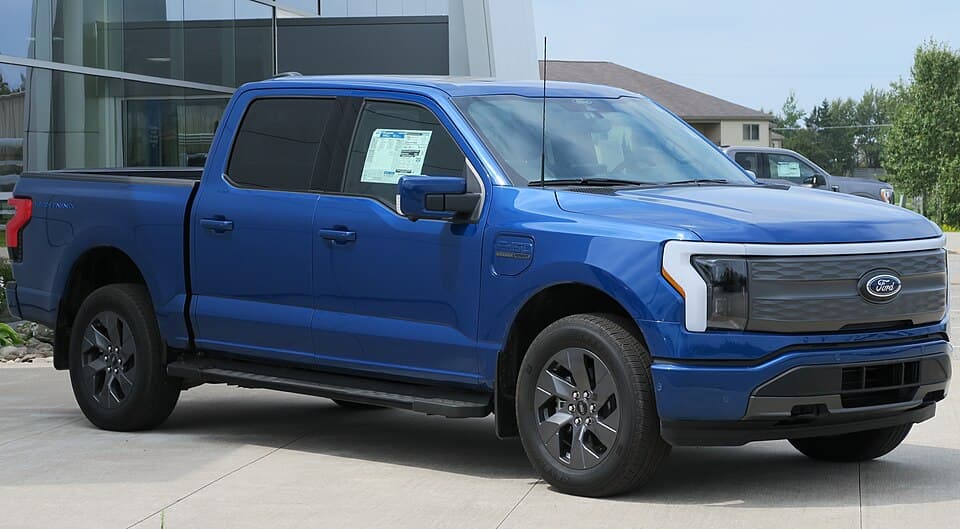 © Elise240SX · CC BY-SA 4.0
The familiar F-150, electric. Powers your house in a blackout.
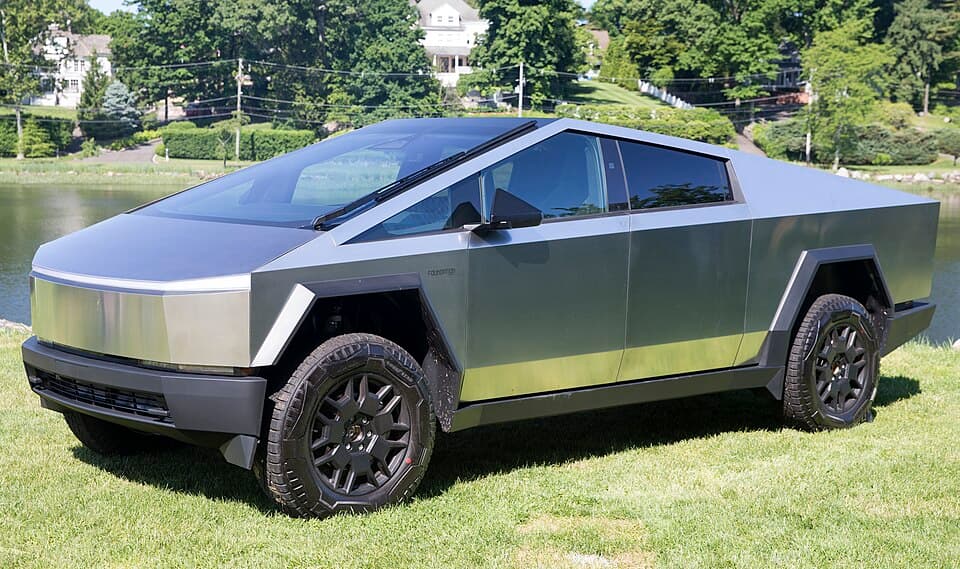 © Mr.choppers · CC BY-SA 3.0
Stainless steel exoskeleton. Polarizing on purpose.
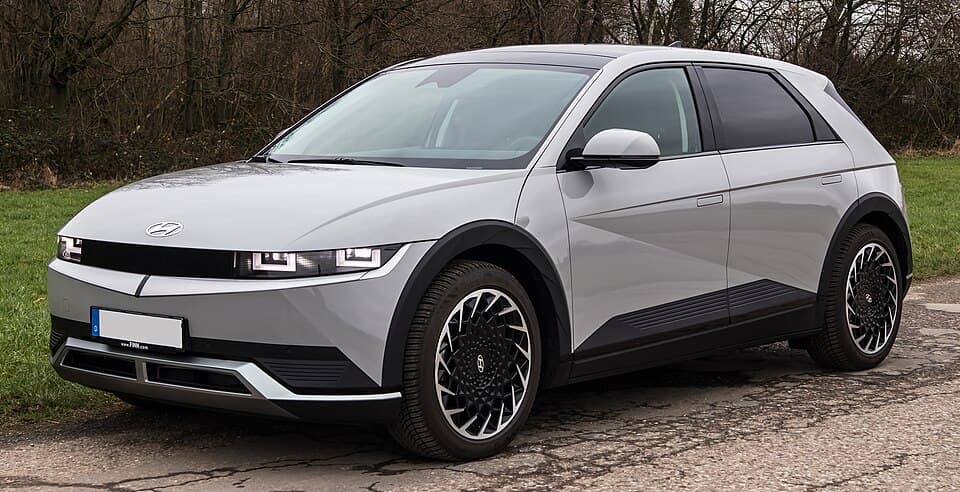 © © M 93 · CC BY-SA 3.0 de
Retro-futurist styling, 18-minute fast charging.
Texas summers are the harder season for EVs, not the winters. Sustained 100°F+ heat doesn't kill range much (5–10% loss with AC running hard) but it does shorten battery lifespan over years. Park in shade or a garage when you can. The newer Tesla, Hyundai, and Ford battery packs handle Texas heat fine — the warranties cover 8 years / 100k miles.
Winters in Texas are mild enough that range loss is rarely a real factor. A few days of sub-freezing weather a year, and even then you're looking at 10–15% range loss for a day or two.
Texas has good highway corridor coverage — I-35, I-10, I-45, I-20 all have consistent fast charging. Tesla Supercharger density is excellent in metros and along major routes. The rural network has improved fast with Electrify America and EVgo build-outs but West Texas and the Panhandle still have gaps; plan ahead for trips through Big Bend or the Llano Estacado.
Texas electricity is among the cheapest in the country in deregulated markets (Houston, Dallas, most of the state — but not Austin or San Antonio, which are municipal). On a competitive plan you can find $0.10/kWh overnight rates that make EV driving cost about $0.03 per mile. Look for "EV plans" specifically.
The truck question: if you're in Texas you're probably weighing an electric F-150 Lightning, Cybertruck, or Silverado EV. They all work for local hauling and commuting. Long-distance towing of trailers / livestock is still better with a diesel — the range hit when towing eats into your travel day. If towing is local-only, the electric truck math works.
The quiz factors in your driving, charging, budget, and your state's current incentives.
Take the quiz →