 © Vauxford · CC BY-SA 4.0
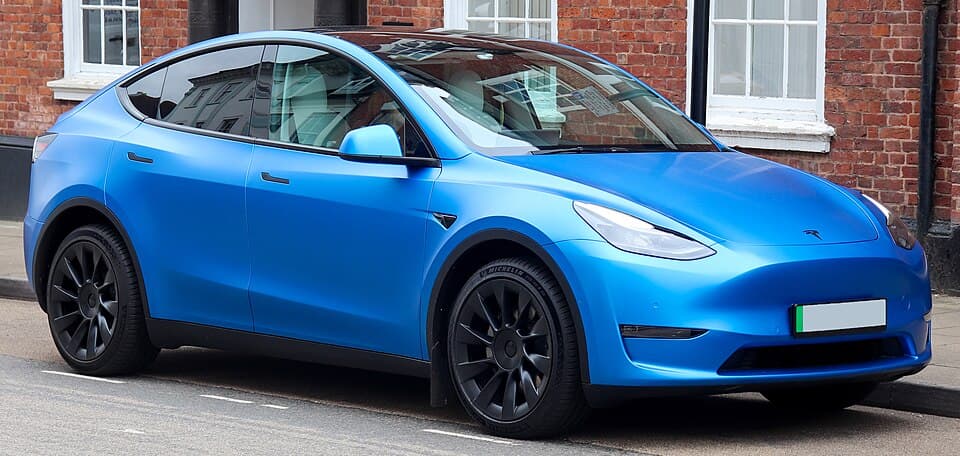
Tesla Model Y
from $45,000320 mi range · tows 3,500 lbs
America's best-selling EV. Cargo space + Supercharger access.
Rhode Island EV guide
Rhode Island's DRIVE EV program gives qualifying buyers $2,500 at point of sale — the dealer applies it directly, no tax-season waiting. Combined with manufacturer cash discounts of $7,500–$10,000 post-OBBBA and the federal home charger credit, Rhode Island buyers can stack over $10,500 in effective savings.
The other Rhode Island advantage isn't financial — it's geographical.Nowhere in Rhode Island is more than 60 miles from anywhere else. Range anxiety is essentially a non-issue in the smallest state. Even a 200-mile EV handles every realistic Rhode Island use case with comfortable margin.
The federal $7,500 EV credit ended Sept 30, 2025 — but these incentives are still live in 2026.
$2,500 rebate at point of sale.
Most OEMs are offering cash on the hood to replace the lost federal credit. Varies by brand, model, and month.
30% of install cost up to $1,000 for personal use. Install before June 30, 2026.
Worth roughly $300–$600/year at typical loan rates and tax brackets.
Programs change. Verify state credits at the DOE state incentive database and federal status at irs.gov.
Picked for Rhode Island's climate, terrain, and the cars you'll actually see on dealer lots.
© Vauxford · CC BY-SA 4.0America's best-selling EV. Cargo space + Supercharger access.
 © © M 93 · CC BY-SA 3.0 de
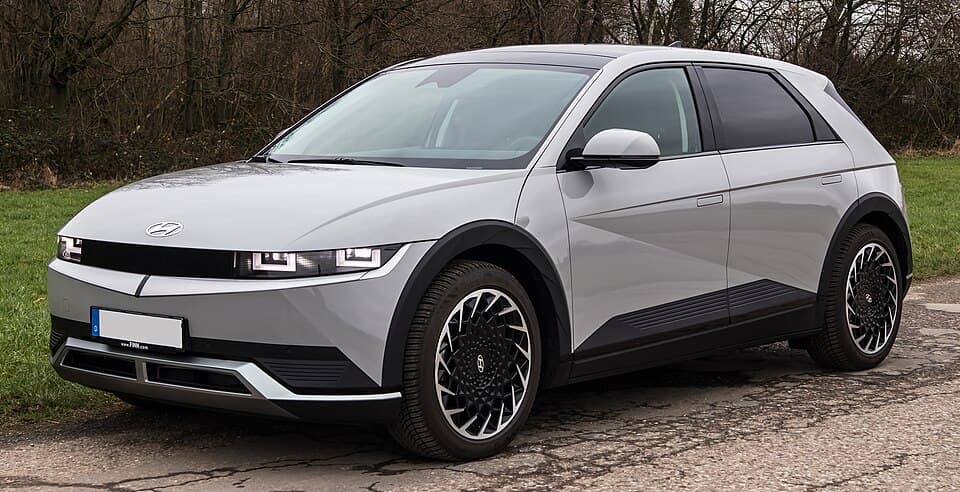
Retro-futurist styling, 18-minute fast charging.
 © Kevauto · CC BY-SA 4.0
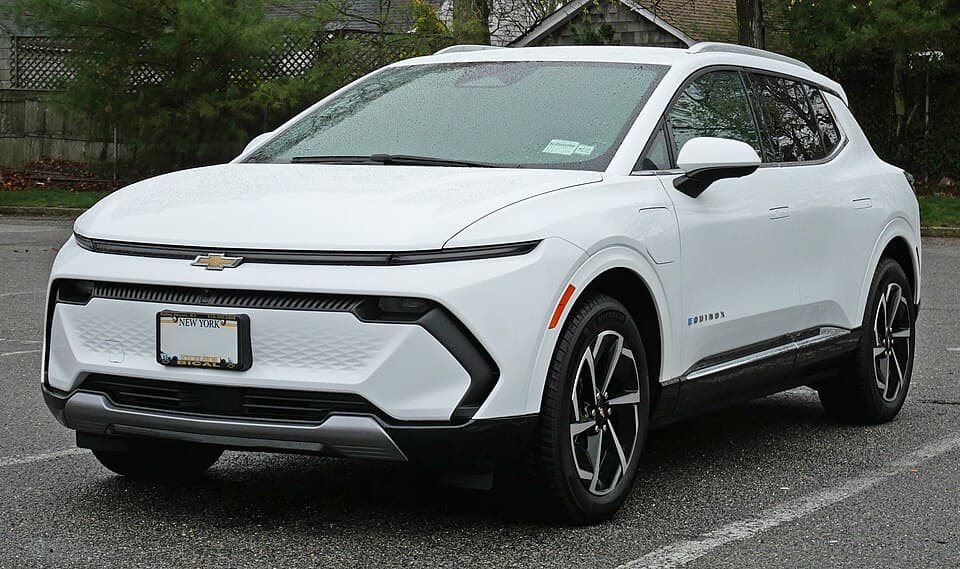
Best value EV SUV. 300+ miles for the price of a Camry.
 © Vauxford · CC BY-SA 4.0
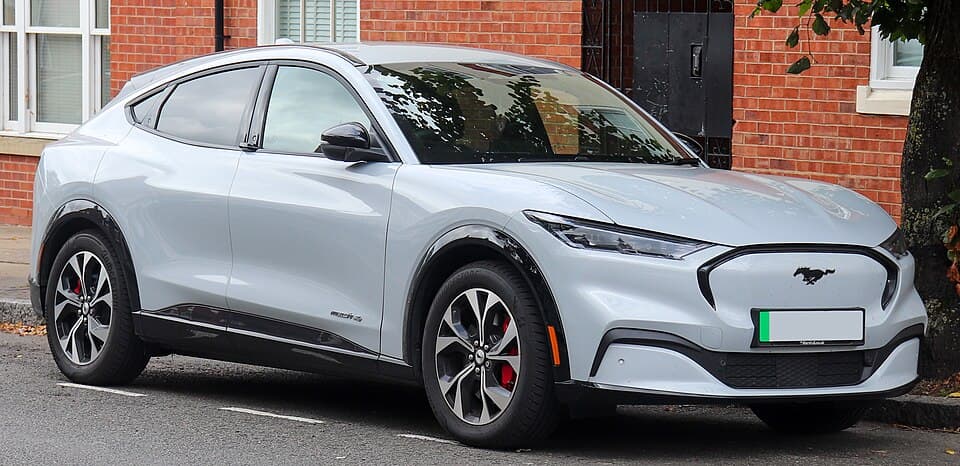
Now with Supercharger access. Roomy and quick.
Rhode Island winters are moderated by Atlantic coastal influence. Newport and South County see milder winters than Providence and the western mill towns. Expect 20–25% range loss on the coldest weeks statewide.
Heat-pump-equipped EVs (Tesla, Hyundai/Kia, newer Mach-Es) handle Rhode Island cold without issue. AWD is worth paying for if you're in the northwest (Foster, Glocester) or commute through the more snow-prone areas; the coast is fine with FWD.
Summer is mild — no extreme heat aging concerns. The shoulder seasons are excellent for EV range.
I-95, I-195, I-295, and Route 1 all have well-spaced Tesla Superchargers and Electrify America stations. Providence and Newport have excellent fast-charging coverage given the state's compact footprint. You can charge anywhere you live in RI within a 10-minute drive.
National Grid (the dominant RI utility) offers EV-specific time-of-use rate plans that drop overnight charging to about $0.13/kWh. The Rhode Island Energy Office also runs a home charger rebate program that stacks with the federal credit.
The interstate-commuter angle: a substantial share of Rhode Island workers commute to Boston (~50 miles one way) or into Connecticut. The I-95 corridor in both directions is exceptionally well-served. Modern EVs handle the round-trip commute on a single overnight charge.
The Block Island consideration: if you own a vacation property on Block Island, the ferry from Galilee can take vehicles but charging on the island is limited to a handful of L2 stations. Plan ahead for multi-day stays — bring the portable L1/L2 cord at minimum.
The quiz factors in your driving, charging, budget, and your state's current incentives.
Take the quiz →