 © Vauxford · CC BY-SA 4.0
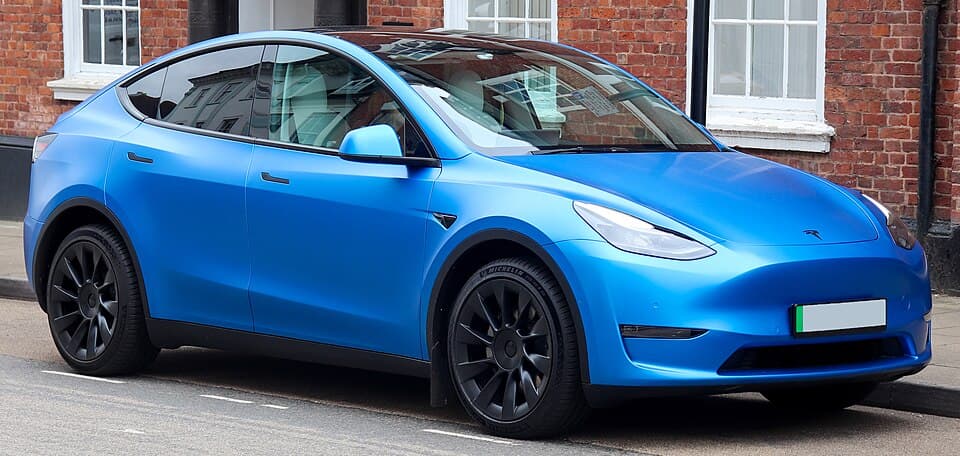
Tesla Model Y
from $45,000320 mi range · tows 3,500 lbs
America's best-selling EV. Cargo space + Supercharger access.
Oregon EV guide
Oregon's Clean Vehicle Rebate is worth $2,500 for any qualifying new EV. Income-qualified buyers (under ~$77k for joint filers in 2026) can stack an additional $5,000 Charge Ahead rebate — making Oregon one of the better stacks in the country for moderate-income buyers, who can combine $7,500 state + typical $7,500–$10,000 in manufacturer cash discounts for $15,000+ off sticker. (Federal $7,500 EV credit ended Sept 30, 2025 — OEMs have largely replaced it with cash promos.)
The Portland-Salem-Eugene corridor has excellent charging infrastructure. I-5 from the California border to the Washington border is one of the best EV road-trip routes in the country.
The federal $7,500 EV credit ended Sept 30, 2025 — but these incentives are still live in 2026.
$2,500 standard; +$5,000 Charge Ahead for low-income.
Most OEMs are offering cash on the hood to replace the lost federal credit. Varies by brand, model, and month.
30% of install cost up to $1,000 for personal use. Install before June 30, 2026.
Worth roughly $300–$600/year at typical loan rates and tax brackets.
Programs change. Verify state credits at the DOE state incentive database and federal status at irs.gov.
Picked for Oregon's climate, terrain, and the cars you'll actually see on dealer lots.
© Vauxford · CC BY-SA 4.0America's best-selling EV. Cargo space + Supercharger access.
 © © M 93 · CC BY-SA 3.0 de
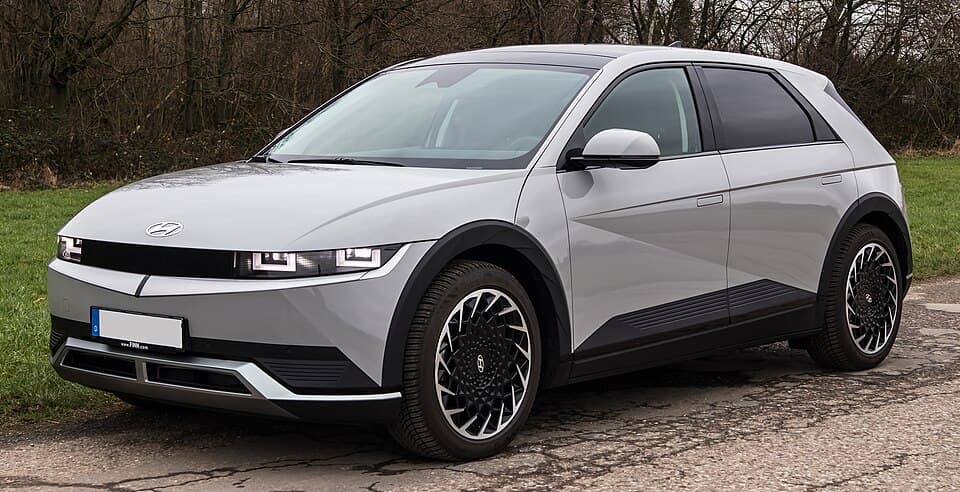
Retro-futurist styling, 18-minute fast charging.
 © Kevauto · CC BY-SA 4.0
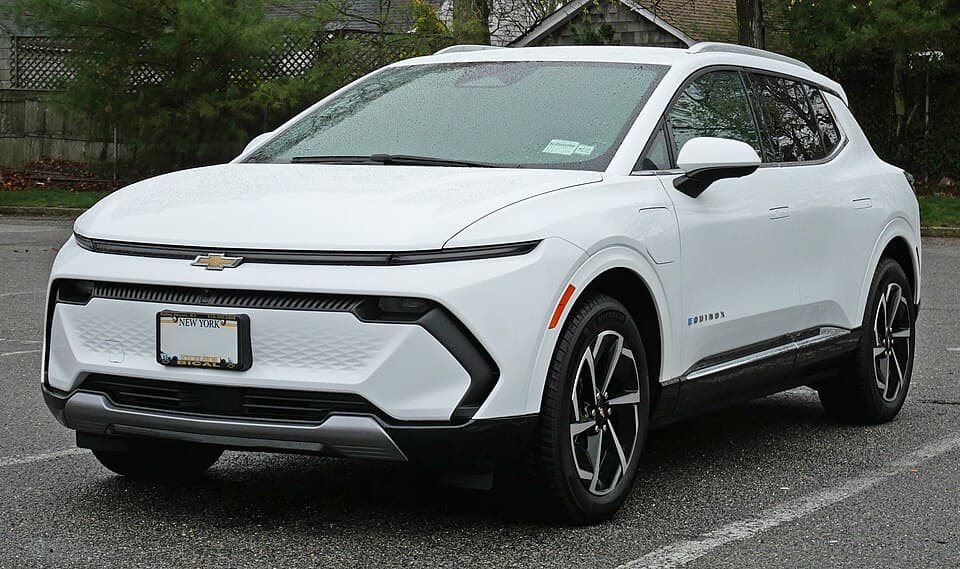
Best value EV SUV. 300+ miles for the price of a Camry.
 © Kevauto · CC BY-SA 4.0
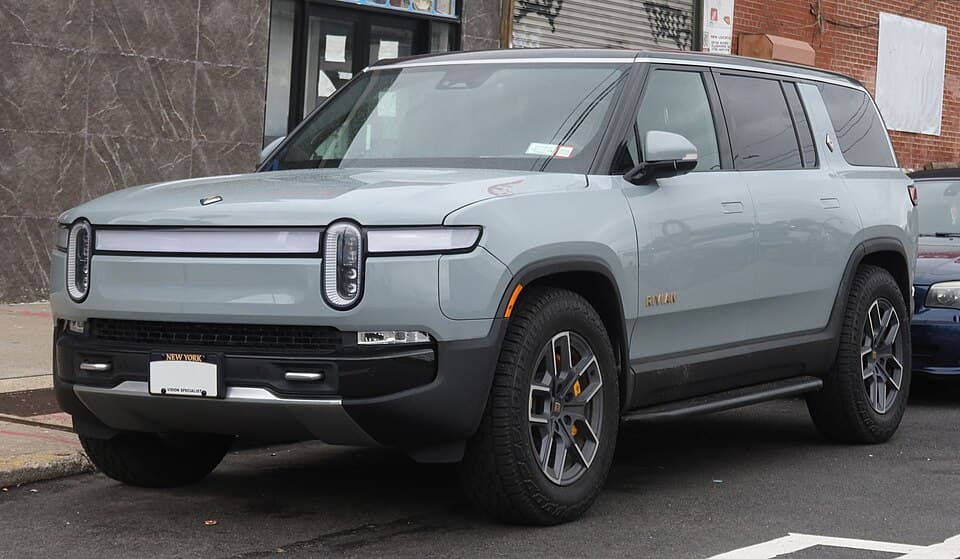
Three-row family SUV that can also climb a mountain.
Western Oregon (Portland, Eugene, Salem, the Willamette Valley) has near-perfect EV climate: mild winters rarely below 35°F, mild summers rarely above 90°F. Range loss is minimal year-round.
Eastern Oregon (Bend, Pendleton, Burns) gets real winters with sustained sub-freezing temperatures and snow. Expect 22–28% range loss on the coldest weeks; aim for at least 250 miles of EPA range if you live east of the Cascades.
Coastal Oregon (Astoria, Newport, Coos Bay) is similar to coastal Washington — mild, wet, salty. Wash the car often if you live on the coast; salt eats EV undercarriages the same way it eats gas cars.
Oregon's grid is among the cleanest in the country (heavy on hydro, growing wind and solar). Every mile electric is essentially zero-emission, which matters if that's part of why you're considering an EV.
Portland General Electric and Pacific Power both offer EV time-of-use rate plans that drop overnight charging well below $0.10/kWh. PGE will also rebate up to $500 toward a Level 2 charger install.
Highway charging is excellent on I-5 and I-84 (Columbia Gorge). The Oregon coast (US-101) has improved fast but still has gaps — plan stops if driving from Astoria to Brookings. Getting out to Bend from Portland is easy; continuing east toward Boise requires charging planning.
Self-serve gas note: Oregon legalized self-serve in 2023, but you're driving an EV — you don't care. Watch the pump attendant try to plug into your charge port the first time.
The quiz factors in your driving, charging, budget, and your state's current incentives.
Take the quiz →