 © Kevauto · CC BY-SA 4.0
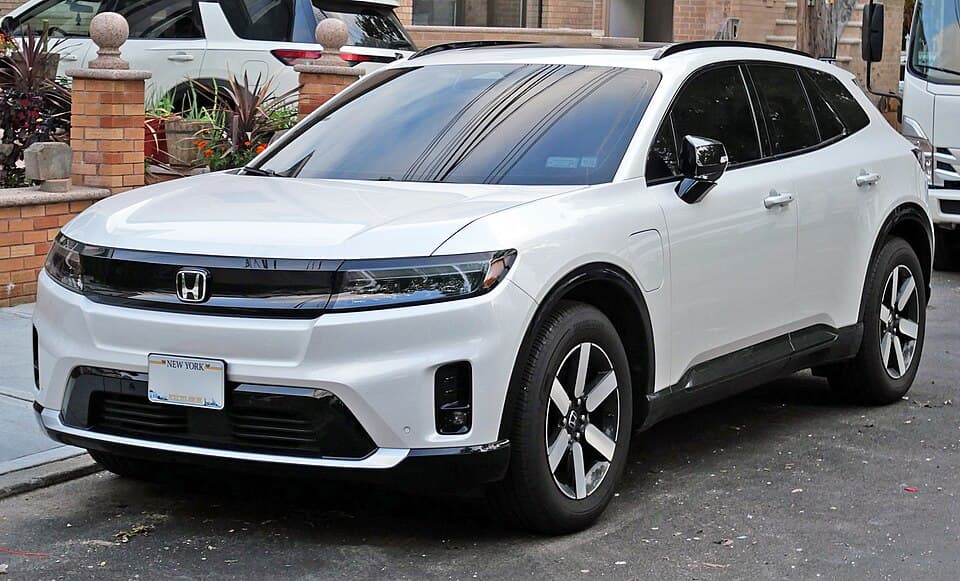
Honda Prologue
from $47,400296 mi range
Honda's first real EV. GM Ultium under Honda body. Worth a look once incentives stack.
Ohio EV guide
Ohio doesn't have a state EV purchase credit, but it has serious EV manufacturing investment: Honda's $4 billion EV/battery plant in Jeffersonville (Union County), the legacy Lordstown GM plant (now an EV startup hub), and Ford's Lima engine plant transitioning toward EV components. The federal $7,500 EV credit ended Sept 30, 2025 — manufacturer cash discounts of $7,500–$10,000 are now the main lever for Ohio buyers.
The local-manufacturing angle matters: Honda Prologue and CR-V components are increasingly Ohio-built, which means service support, parts inventory, and dealer expertise are unusually strong here for Honda's EVs.
The federal $7,500 EV credit ended Sept 30, 2025 — but these incentives are still live in 2026.
No major state-level EV purchase credit on file. Check your local utility for charger rebates ($200–$1,500 in many areas).
Most OEMs are offering cash on the hood to replace the lost federal credit. Varies by brand, model, and month.
30% of install cost up to $1,000 for personal use. Install before June 30, 2026.
Worth roughly $300–$600/year at typical loan rates and tax brackets.
Programs change. Verify state credits at the DOE state incentive database and federal status at irs.gov.
Picked for Ohio's climate, terrain, and the cars you'll actually see on dealer lots.
© Kevauto · CC BY-SA 4.0Honda's first real EV. GM Ultium under Honda body. Worth a look once incentives stack.
 © Vauxford · CC BY-SA 4.0
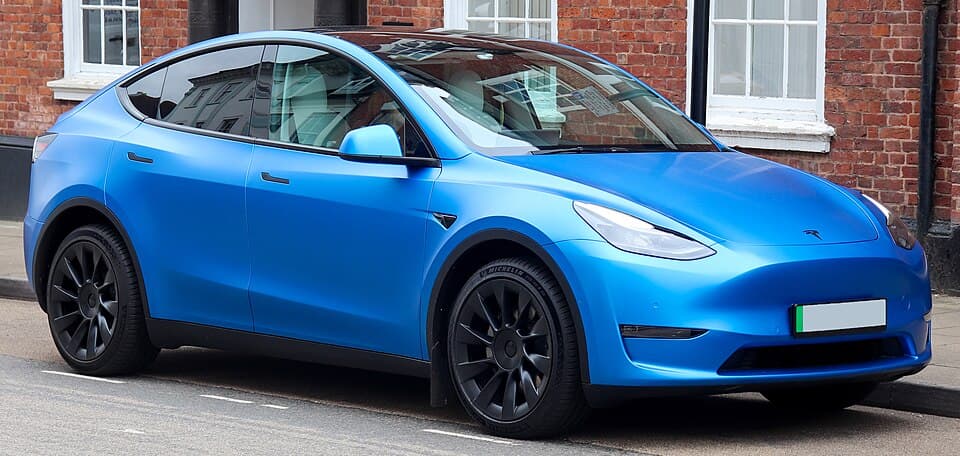
America's best-selling EV. Cargo space + Supercharger access.
 © Kevauto · CC BY-SA 4.0
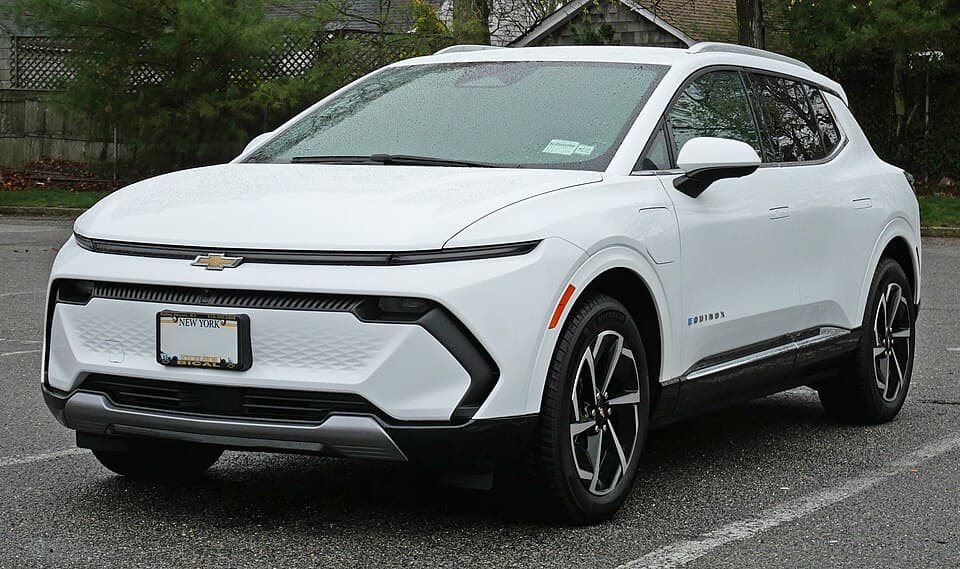
Best value EV SUV. 300+ miles for the price of a Camry.
 © Vauxford · CC BY-SA 4.0
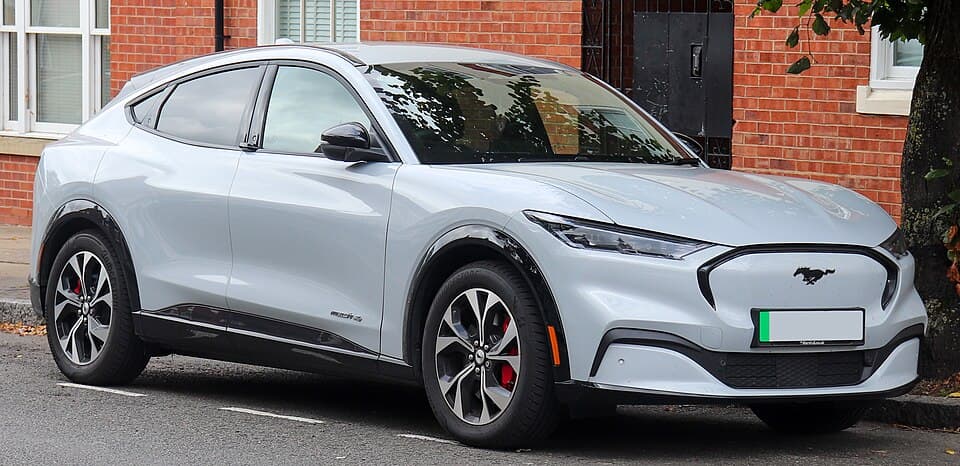
Now with Supercharger access. Roomy and quick.
Ohio winters are real Midwestern cold. Cleveland's lake-effect snow belt gets the harshest weather; Cincinnati and Columbus are more temperate. Expect 22–28% range loss on the coldest weeks across the state.
Heat-pump-equipped EVs (Tesla, Hyundai/Kia, newer Mach-Es) handle Ohio winters significantly better than non-heat-pump cars. AWD is worth paying for if you're in northeast Ohio (Cleveland metro, Akron, Youngstown) or southeast Ohio (rural Appalachian counties).
Summer is mild — no extreme heat aging concerns. The southern Ohio river valley gets the most humidity but never the sustained 110°F+ heat that ages batteries in southwestern states.
I-71, I-75, I-70, and I-80 all have well-spaced Tesla Superchargers and Electrify America stations. Cleveland, Columbus, and Cincinnati metros all have dense fast-charging coverage. The Ohio Turnpike service plazas have particularly good Tesla Supercharger access.
AEP Ohio (central and southern Ohio) and Duke Energy Ohio (Cincinnati metro) both offer EV-specific time-of-use rate plans. AEP's "EV Smart" plan can drop overnight charging to about $0.09/kWh — meaningful for Ohio's middle-of-the-pack electricity rates. FirstEnergy (Cleveland, Akron, Toledo) has similar programs.
The Ohio EV manufacturing buyer story: if you work at Honda Marysville/East Liberty, the Honda Ohio EV plant, or any of the tier-one suppliers, employee pricing programs typically stack meaningfully on top of the public manufacturer discounts. Worth checking with HR before buying.
Rural southeast Ohio caveat: the Appalachian counties (Athens, Vinton, Meigs) still have significant fast-charging gaps. The I-77 corridor is improving but driving deeper into the hills requires PlugShare planning.
The quiz factors in your driving, charging, budget, and your state's current incentives.
Take the quiz →