 © Vauxford · CC BY-SA 4.0
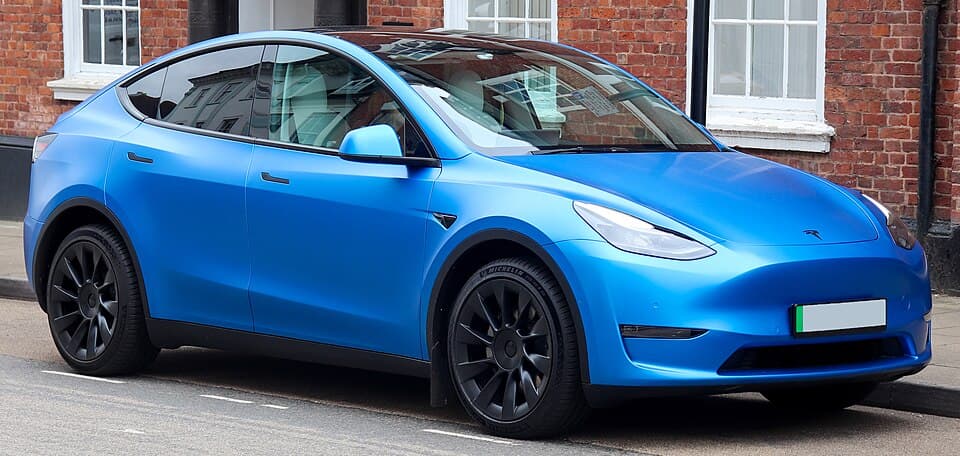
Tesla Model Y
from $45,000320 mi range · tows 3,500 lbs
America's best-selling EV. Cargo space + Supercharger access.
North Carolina EV guide
North Carolina doesn't have a state EV purchase credit, but it has serious EV manufacturing investment: VinFast's Chatham County plant, Toyota's $13B battery factory in Liberty, and the Triangle's tech-money buyer base have all combined to push the Raleigh-Durham-Charlotte triangle into the fastest-growing EV adoption rate in the Southeast.
With the federal $7,500 EV credit ended (Sept 30, 2025), manufacturer cash discounts of $7,500–$10,000 are now the main lever. Duke Energy also offers modest rebates on home charger installs (varies by region — call to confirm), and the federal home charger install credit (30% up to $1,000) is still available through June 30, 2026.
The federal $7,500 EV credit ended Sept 30, 2025 — but these incentives are still live in 2026.
No major state-level EV purchase credit on file. Check your local utility for charger rebates ($200–$1,500 in many areas).
Most OEMs are offering cash on the hood to replace the lost federal credit. Varies by brand, model, and month.
30% of install cost up to $1,000 for personal use. Install before June 30, 2026.
Worth roughly $300–$600/year at typical loan rates and tax brackets.
Programs change. Verify state credits at the DOE state incentive database and federal status at irs.gov.
Picked for North Carolina's climate, terrain, and the cars you'll actually see on dealer lots.
© Vauxford · CC BY-SA 4.0America's best-selling EV. Cargo space + Supercharger access.
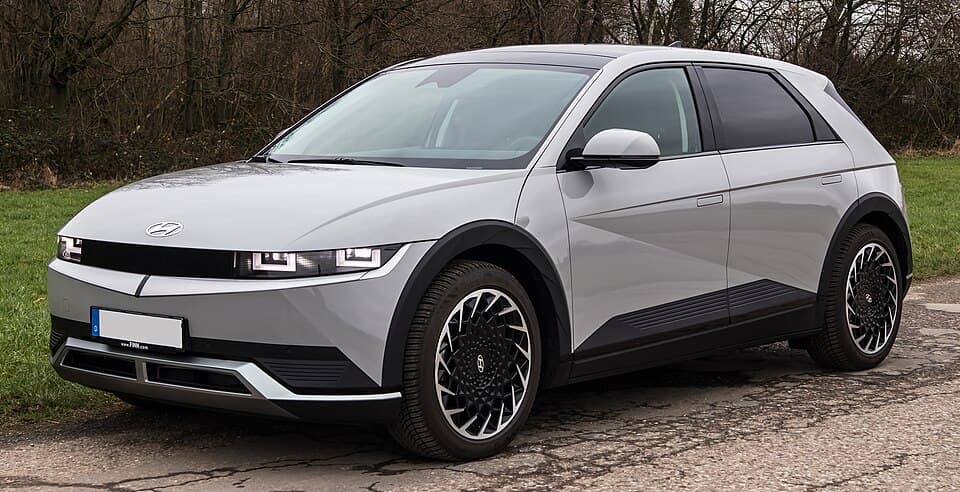 © © M 93 · CC BY-SA 3.0 de
Retro-futurist styling, 18-minute fast charging.
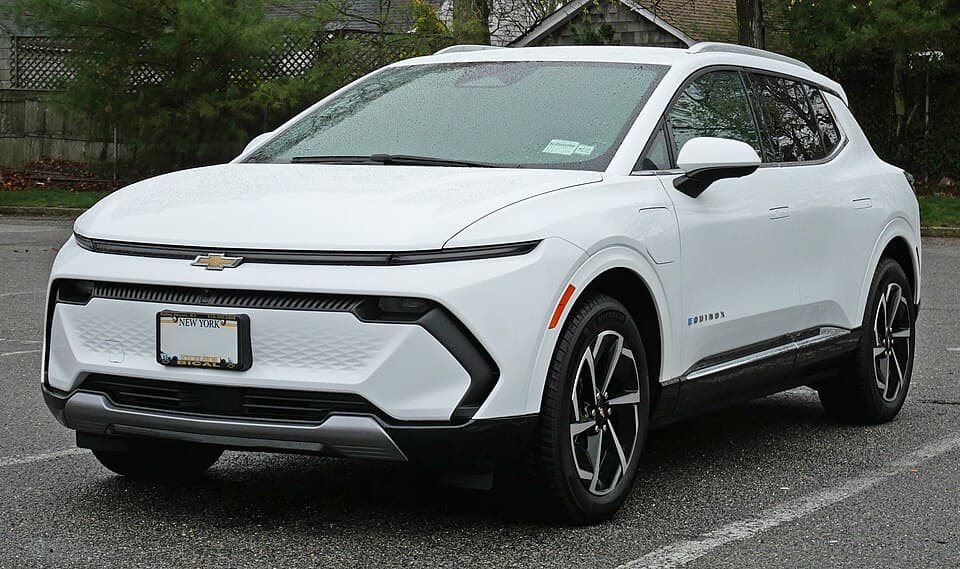 © Kevauto · CC BY-SA 4.0
Best value EV SUV. 300+ miles for the price of a Camry.
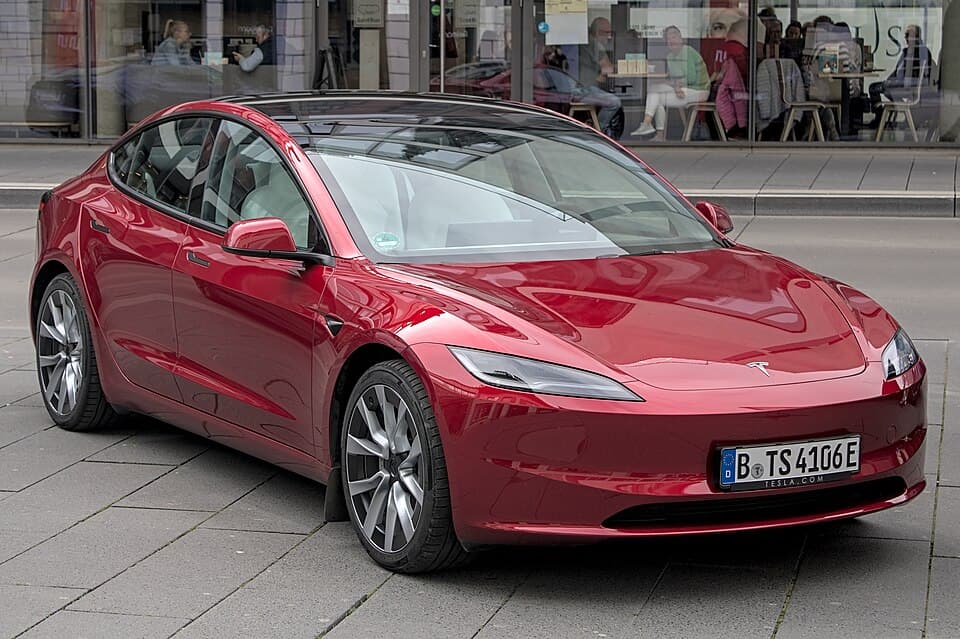 © Alexander-93 · CC BY-SA 4.0
Best charging network in the country. Drives like a rocket.
North Carolina has friendly EV weather. Summers in the Piedmont and Coastal Plain are hot and humid but rarely hit the sustained extremes of Phoenix or Vegas — battery aging is in line with most of the country. Winters are mild enough that range loss is minor — maybe 12–18% on the coldest weeks in the Triad and Triangle.
The mountains (Asheville, Boone, the Smokies area) see real winter — expect 20–25% range loss on the coldest weeks and consider AWD if you commute through Beech Mountain or live in the high country. The coast (Wilmington, Outer Banks) gets the mildest winters in the state.
Highway charging is solid on I-40, I-85, I-95, and I-77. Tesla Superchargers are well-spaced in the Triangle and Charlotte metros. Electrify America has invested heavily in NC, with dense coverage along the major interstates. Going to the Outer Banks or up to the Smokies still requires more charging planning, but the picture is improving fast.
Duke Energy is the dominant utility and offers EV time-of-use rate plans ("EV Charge" in some service territories) that drop overnight charging to about $0.09/kWh. Duke also offers home charger rebates in some counties; ask your account rep.
The VinFast question: VinFast vehicles are built in Chatham County. Like every EV in 2026, they're now mainly discounted via manufacturer cash promos rather than the (now-expired) federal credit. Reviews are mixed — the ride quality and software are still catching up to the established players, but pricing is aggressive. Worth a test drive if you're shopping in the $35k–$50k range and want to support local manufacturing, but don't lead with VinFast as your first pick.
The quiz factors in your driving, charging, budget, and your state's current incentives.
Take the quiz →