 © Vauxford · CC BY-SA 4.0
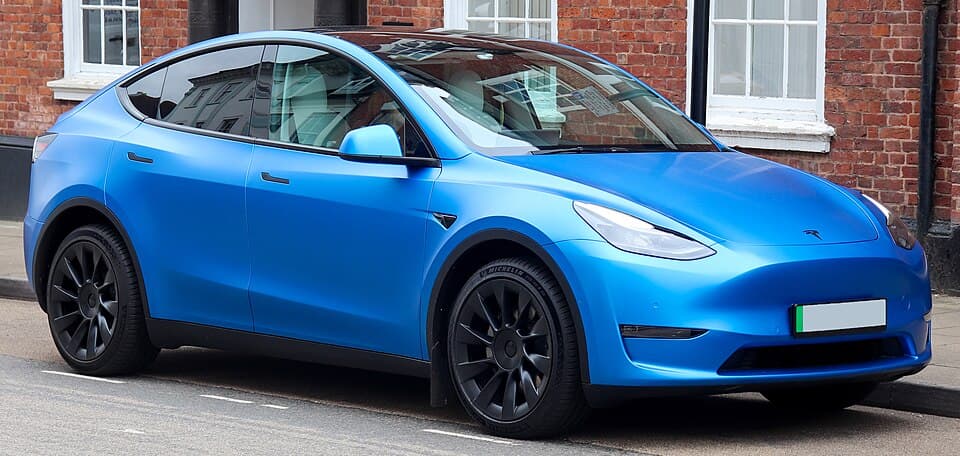
Tesla Model Y
from $45,000320 mi range · tows 3,500 lbs
America's best-selling EV. Cargo space + Supercharger access.
New Hampshire EV guide
New Hampshire doesn't have a state EV credit but it has one massive structural advantage: no sales tax. Every EV purchase in NH is effectively 5–7% cheaper than the same vehicle bought in Massachusetts, Maine, or Vermont. On a $45,000 EV, that's $2,250– $3,150 saved just from the no-sales-tax framing.
With the federal $7,500 EV credit ended Sept 30, 2025, manufacturer cash discounts of $7,500–$10,000 are the main lever for New Hampshire buyers. Combined with no sales tax and the still-active federal home charger credit, NH buyers can land effective savings of $10,000–$13,000 on the right vehicle in 2026.
The federal $7,500 EV credit ended Sept 30, 2025 — but these incentives are still live in 2026.
No major state-level EV purchase credit on file. Check your local utility for charger rebates ($200–$1,500 in many areas).
Most OEMs are offering cash on the hood to replace the lost federal credit. Varies by brand, model, and month.
30% of install cost up to $1,000 for personal use. Install before June 30, 2026.
Worth roughly $300–$600/year at typical loan rates and tax brackets.
Programs change. Verify state credits at the DOE state incentive database and federal status at irs.gov.
Picked for New Hampshire's climate, terrain, and the cars you'll actually see on dealer lots.
© Vauxford · CC BY-SA 4.0America's best-selling EV. Cargo space + Supercharger access.
 © © M 93 · CC BY-SA 3.0 de
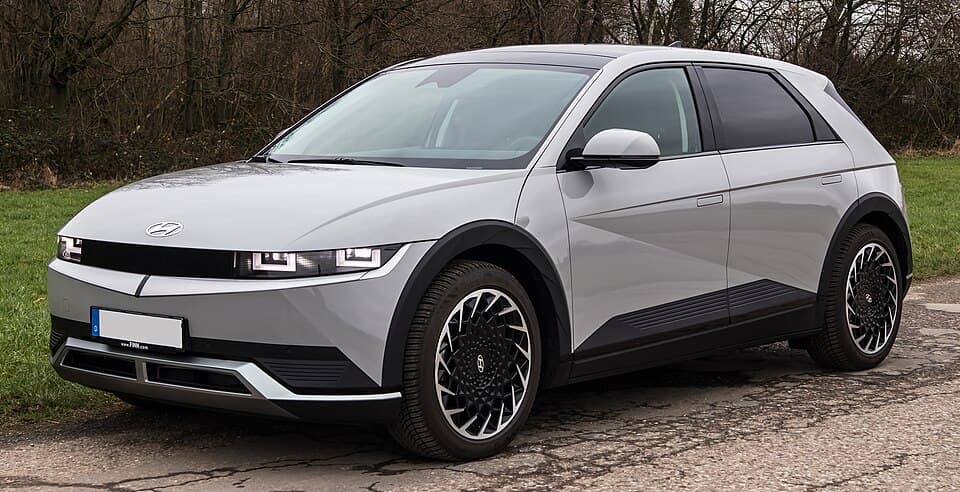
Retro-futurist styling, 18-minute fast charging.
 © Kevauto · CC BY-SA 4.0
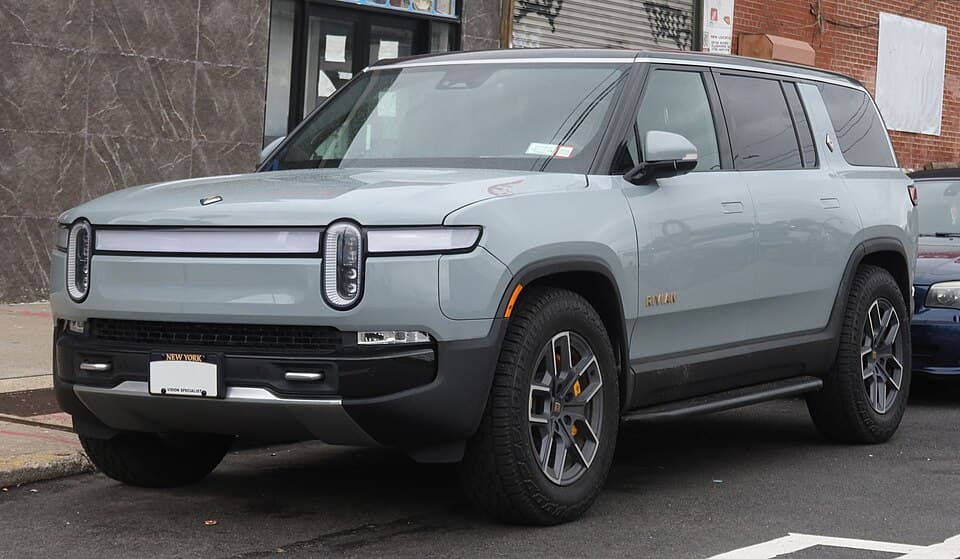
Three-row family SUV that can also climb a mountain.
 © Elise240SX · CC BY-SA 4.0
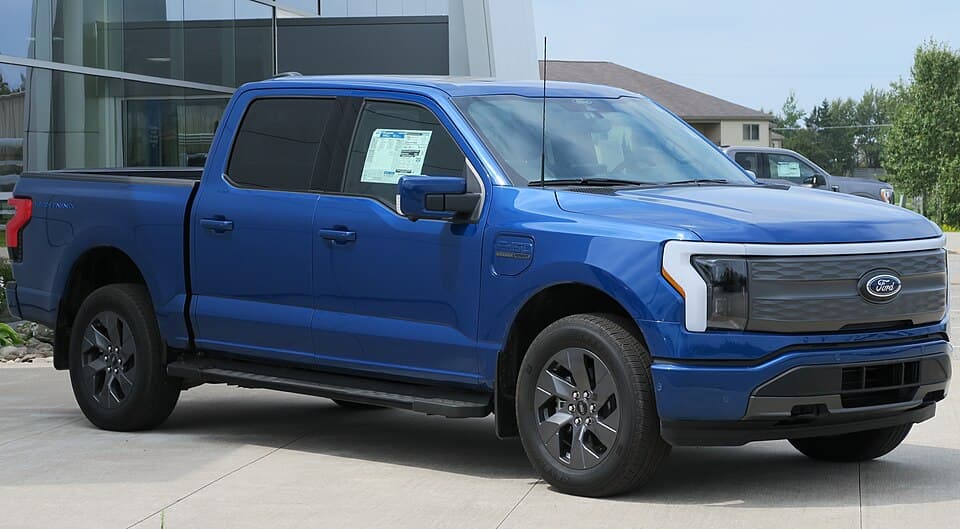
The familiar F-150, electric. Powers your house in a blackout.
New Hampshire winters are serious. The seacoast (Portsmouth, Hampton) sees milder weather than the central and northern parts of the state. The White Mountains and the North Country get sustained sub-zero temperatures and 100+ inches of annual snowfall in many communities.
Expect 25–32% range loss on the coldest weeks in central and northern NH. Heat-pump-equipped EVs (Tesla, Hyundai/Kia, newer Mach-Es) lose meaningfully less. Aim for at least 280 miles EPA range so winter real-world stays above 200 miles. AWD is essentially mandatory for year-round operation outside the seacoast.
Summer is mild — no extreme heat aging concerns. The mountain regions get particularly pleasant summer weather.
I-93 (the main north-south spine through Manchester, Concord, and up to Lincoln) has solid Tesla Supercharger and Electrify America coverage. I-89 going west to Vermont and the seacoast Route 1 corridor are both well-served. The drive up to Mount Washington valley has improved fast.
Eversource (most of NH) and Unitil offer EV-specific time-of-use rate plans. Eversource's plan drops overnight charging to about $0.13/kWh — meaningful in NH's relatively high electricity-rate environment.
The North Country / Great North Woods caveat: driving deep into northern NH (Coos County, Pittsburg, the Connecticut Lakes) still has real charging gaps. The picture is improving but vacation trips to Lake Umbagog or up to Quebec require PlugShare planning and awareness of charging-station spacing.
Cross-border shopping consideration: Massachusetts and Vermont residents routinely come to NH to buy EVs because of the sales-tax savings. Make sure your home state's rules allow you to register a vehicle bought out of state without paying back the "missed" sales tax — most do but Vermont and Massachusetts both have anti-avoidance rules to watch for. The savings still work for NH residents always.
The quiz factors in your driving, charging, budget, and your state's current incentives.
Take the quiz →