 © Vauxford · CC BY-SA 4.0
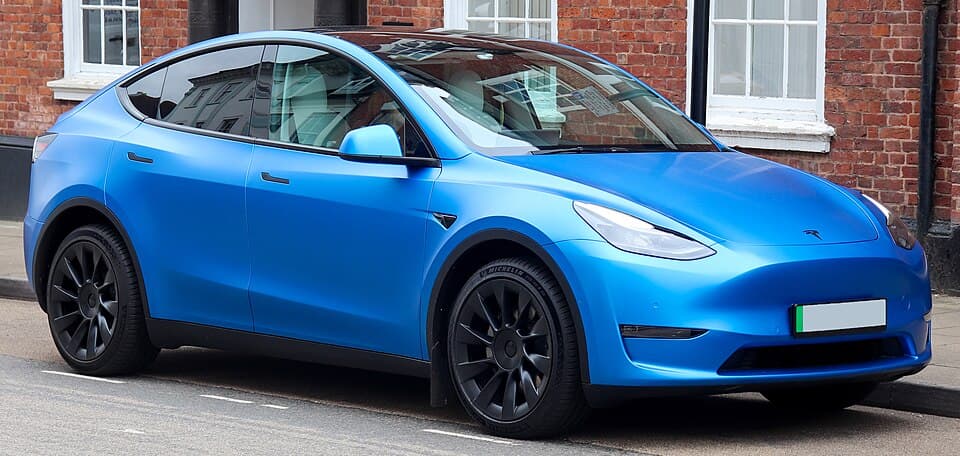
Tesla Model Y
from $45,000320 mi range · tows 3,500 lbs
America's best-selling EV. Cargo space + Supercharger access.
Nevada EV guide
Nevada doesn't have a state EV purchase credit, but it has two structural advantages: no state income tax (so manufacturer cash discounts hit harder in real money), and the Tesla Gigafactory just east of Reno that's pulled enormous charging infrastructure investment into the state. Las Vegas Metro and the Reno-Tahoe corridor both have excellent EV ecosystems.
With the federal $7,500 EV credit gone (ended Sept 30, 2025), manufacturer cash discounts of $7,500–$10,000 are now the main lever. NV Energy and Sierra Pacific both also offer rebates for home Level 2 charger installs ($500–$1,000 depending on the program), and the federal home charger credit (30% up to $1,000) is still available through June 30, 2026.
The federal $7,500 EV credit ended Sept 30, 2025 — but these incentives are still live in 2026.
No major state-level EV purchase credit on file. Check your local utility for charger rebates ($200–$1,500 in many areas).
Most OEMs are offering cash on the hood to replace the lost federal credit. Varies by brand, model, and month.
30% of install cost up to $1,000 for personal use. Install before June 30, 2026.
Worth roughly $300–$600/year at typical loan rates and tax brackets.
Programs change. Verify state credits at the DOE state incentive database and federal status at irs.gov.
Picked for Nevada's climate, terrain, and the cars you'll actually see on dealer lots.
© Vauxford · CC BY-SA 4.0America's best-selling EV. Cargo space + Supercharger access.
 © Alexander-93 · CC BY-SA 4.0
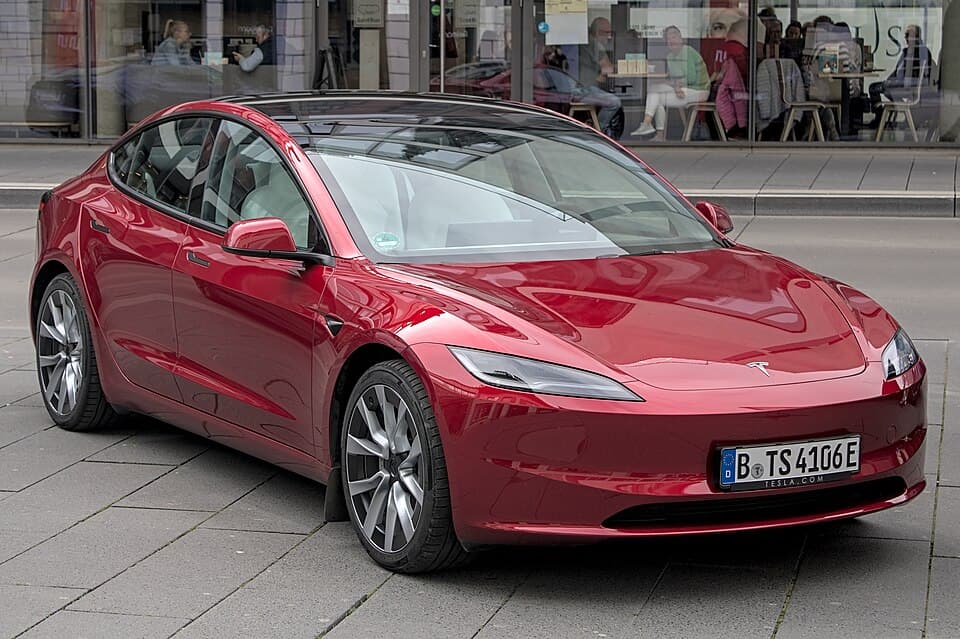
Best charging network in the country. Drives like a rocket.
 © © M 93 · CC BY-SA 3.0 de
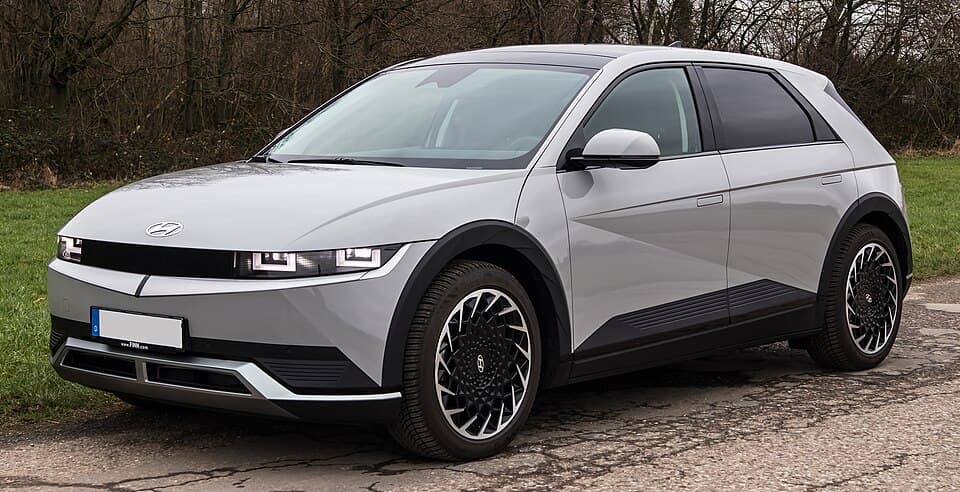
Retro-futurist styling, 18-minute fast charging.
 © Elise240SX · CC BY-SA 4.0
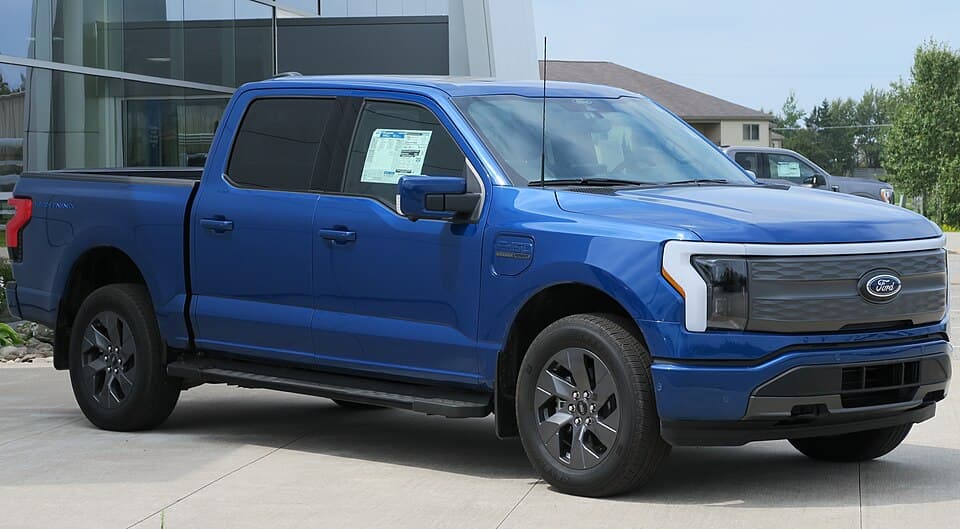
The familiar F-150, electric. Powers your house in a blackout.
Vegas summers are extreme — 105°F+ for sustained weeks, with parking-lot temperatures over 140°F. The heat aging picture is similar to Phoenix; plan on covered or garage parking if you want maximum battery longevity. Modern liquid-cooled packs (Tesla, Hyundai/Kia, Ford, GM) handle it fine, but skip the older air-cooled Nissan Leafs on the used market.
Northern Nevada (Reno, Tahoe, Elko) has real winters with cold and snow at elevation. Heading up to Tahoe in winter, expect 25%+ range loss. Heat-pump- equipped models (Tesla, Hyundai/Kia, newer Mach-Es) lose less. AWD is worth having if you ski.
The I-15 corridor from LA to Vegas is the most heavily-Supercharged highway in America — Tesla added more capacity here than anywhere else outside of Texas. Non-Tesla EVs with NACS adapters can use them; Electrify America and EVgo also have dense coverage on this route.
The I-80 corridor from Reno to Salt Lake City is improving fast (Tesla Supercharger build-out is recent and aggressive); the I-15 north from Vegas to Utah is solid; the back roads through Great Basin still have real gaps. PlugShare before driving anything off the interstate.
NV Energy in Las Vegas offers EV-specific time-of-use rates that drop overnight charging to about $0.07/kWh. Reno's Sierra Pacific has a similar plan. Both utilities also rebate $500+ toward Level 2 home charger installs.
Solar pairing: Both ends of Nevada have excellent solar resource (5–6 peak sun hours daily on average). Pairing rooftop or off-grid solar with an EV pushes effective Vegas fuel cost close to zero. See our sister site SolarControllerFinder for DIY sizing and component picks.
The quiz factors in your driving, charging, budget, and your state's current incentives.
Take the quiz →