 © Vauxford · CC BY-SA 4.0
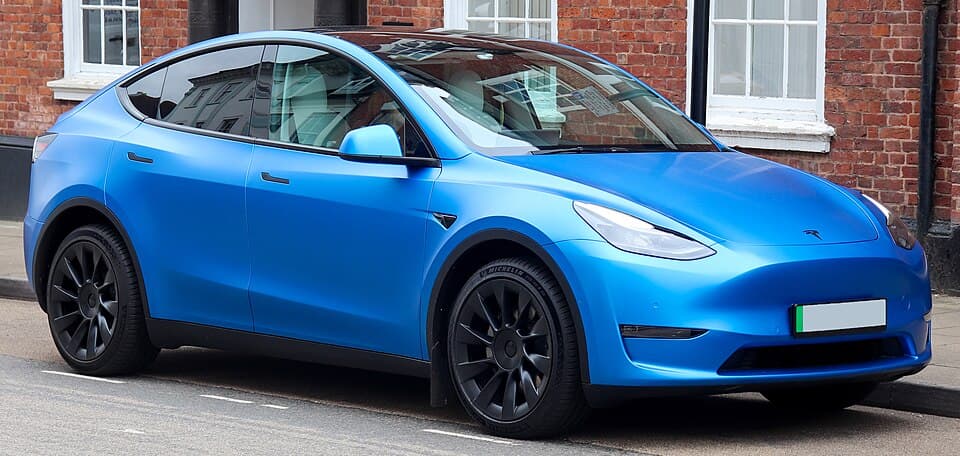
Tesla Model Y
from $45,000320 mi range · tows 3,500 lbs
America's best-selling EV. Cargo space + Supercharger access.
Nebraska EV guide
Nebraska is the only state where every electric utility is publicly owned — there are no investor-owned utilities. NPPD, OPPD, Lincoln Electric System, and dozens of municipal and cooperative utilities run the grid. That structural fact has kept residential rates among the lowest in the country, which makes the per-mile cost of EV driving here genuinely cheap.
With the federal $7,500 EV credit ended Sept 30, 2025, manufacturer cash discounts of $7,500–$10,000 are the main lever. OPPD and LES both offer EV time-of-use rate plans worth asking about. NPPD's coverage is more uneven but improving.
The federal $7,500 EV credit ended Sept 30, 2025 — but these incentives are still live in 2026.
No major state-level EV purchase credit on file. Check your local utility for charger rebates ($200–$1,500 in many areas).
Most OEMs are offering cash on the hood to replace the lost federal credit. Varies by brand, model, and month.
30% of install cost up to $1,000 for personal use. Install before June 30, 2026.
Worth roughly $300–$600/year at typical loan rates and tax brackets.
Programs change. Verify state credits at the DOE state incentive database and federal status at irs.gov.
Picked for Nebraska's climate, terrain, and the cars you'll actually see on dealer lots.
© Vauxford · CC BY-SA 4.0America's best-selling EV. Cargo space + Supercharger access.
 © © M 93 · CC BY-SA 3.0 de
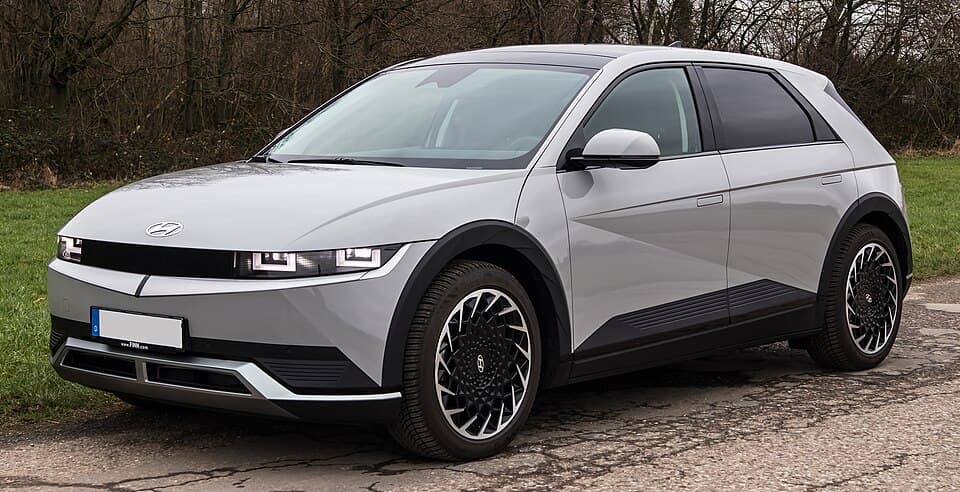
Retro-futurist styling, 18-minute fast charging.
 © Elise240SX · CC BY-SA 4.0
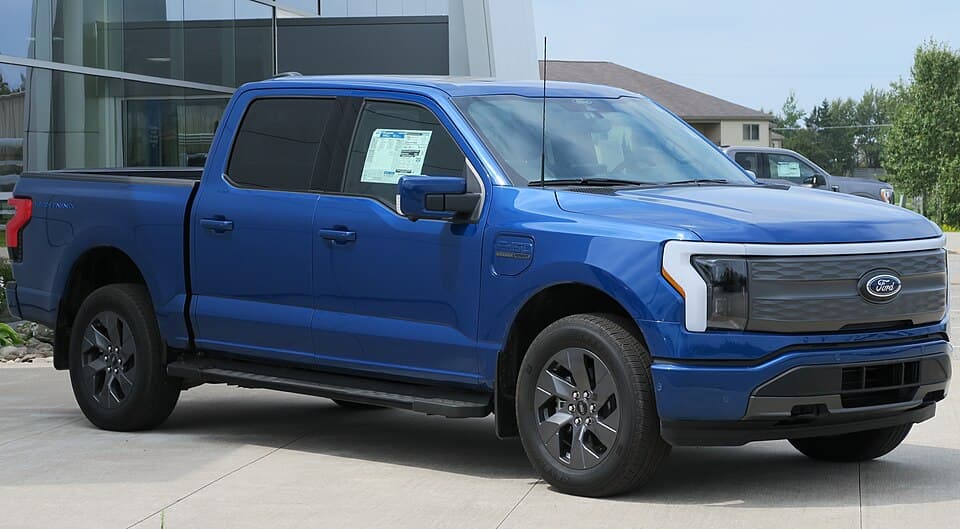
The familiar F-150, electric. Powers your house in a blackout.
 © Kevauto · CC BY-SA 4.0
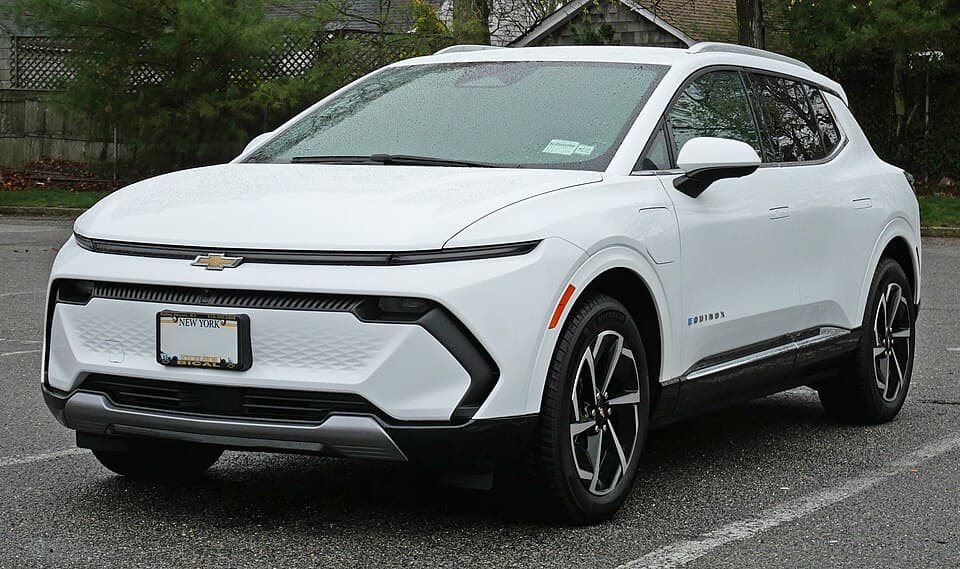
Best value EV SUV. 300+ miles for the price of a Camry.
Nebraska winters are real but manageable. Sustained sub-freezing temperatures in January and February, occasional sub-zero stretches in the Panhandle, regular snow but rarely the deep accumulation seen further north. Expect 18–28% range loss on the coldest weeks. Heat-pump-equipped EVs (Tesla, Hyundai/Kia, newer Mach-Es) lose meaningfully less.
For Nebraska specifically: target at least 280 miles EPA range so winter real-world stays above 200 miles. AWD is a real benefit for western Nebraska drivers where ground blizzards across open prairie are a regular winter event.
Summers are hot and humid in the east, hotter and drier in the Panhandle. AC range losses are modest (5–10%). Tornado season is real — covered parking is genuinely valuable here for hail protection.
I-80 east-west across Nebraska is the main charging spine and one of the most reliable transcontinental EV routes in the country. Tesla Superchargers and Electrify America stations cover the corridor from Omaha through Lincoln, Grand Island, Kearney, North Platte, and on to the Wyoming border at workable intervals. The drive across Nebraska on I-80 is genuinely easy in any modern long-range EV.
Omaha and Lincoln metros have solid charging density. The Panhandle (Scottsbluff, Chadron, Sidney) has improved but is still thin off the interstate. The Sandhills are essentially unserved — PlugShare planning is mandatory for trips up US-83 or US-2 into Cherry County.
The public-power advantage: Nebraska's publicly-owned utility model means EV charging programs are driven by board votes rather than shareholder returns. The practical effect is that residential overnight rates are cheap and steady — OPPD's EV TOU plan runs near $0.07/kWh overnight. Pair with rooftop solar for near-zero effective per-mile cost.
Farm-and-ranch truck note: agricultural Nebraska is strong F-150 country, and the F-150 Lightning gets genuine consideration here for in-field work plus bidirectional power export at remote sites. For cross-state cattle trailering a diesel still wins; for daily farm chores and a 30-mile town commute, the electric truck pencils out.
The quiz factors in your driving, charging, budget, and your state's current incentives.
Take the quiz →