 © Vauxford · CC BY-SA 4.0
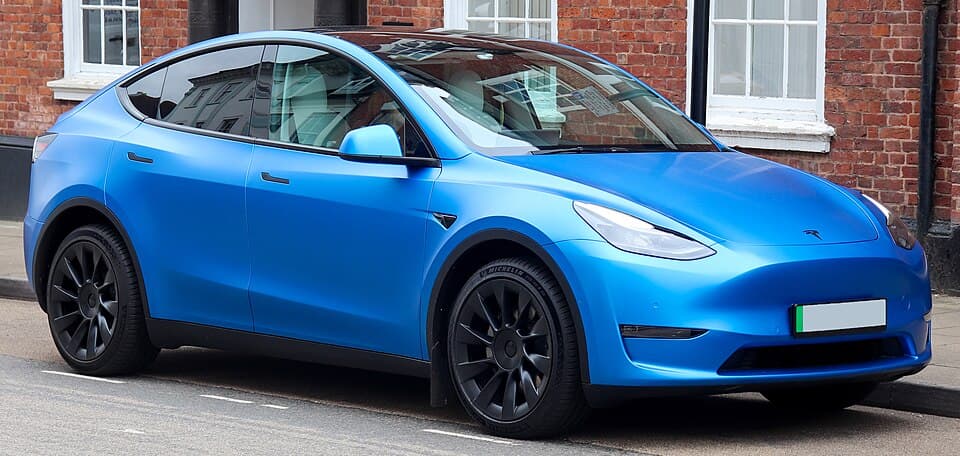
Tesla Model Y
from $45,000320 mi range · tows 3,500 lbs
America's best-selling EV. Cargo space + Supercharger access.
Minnesota EV guide
Minnesota has a $2,500 state EV rebate on qualifying new EVs under $55,000 MSRP. Combined with manufacturer cash discounts ($7,500–$10,000 typical post-OBBBA), Xcel Energy's generous EV programs, and the federal home charger credit, Twin Cities buyers can stack $11,000+ in effective savings.
Honest framing: Minnesota winters are the hardest test most EVs face in the lower 48. EV ownership absolutely works here — Minneapolis-St. Paul has high per-capita EV adoption — but vehicle choice matters more than in milder climates.
The federal $7,500 EV credit ended Sept 30, 2025 — but these incentives are still live in 2026.
$2,500 for new EVs under $55k.
Most OEMs are offering cash on the hood to replace the lost federal credit. Varies by brand, model, and month.
30% of install cost up to $1,000 for personal use. Install before June 30, 2026.
Worth roughly $300–$600/year at typical loan rates and tax brackets.
Programs change. Verify state credits at the DOE state incentive database and federal status at irs.gov.
Picked for Minnesota's climate, terrain, and the cars you'll actually see on dealer lots.
© Vauxford · CC BY-SA 4.0America's best-selling EV. Cargo space + Supercharger access.
 © © M 93 · CC BY-SA 3.0 de
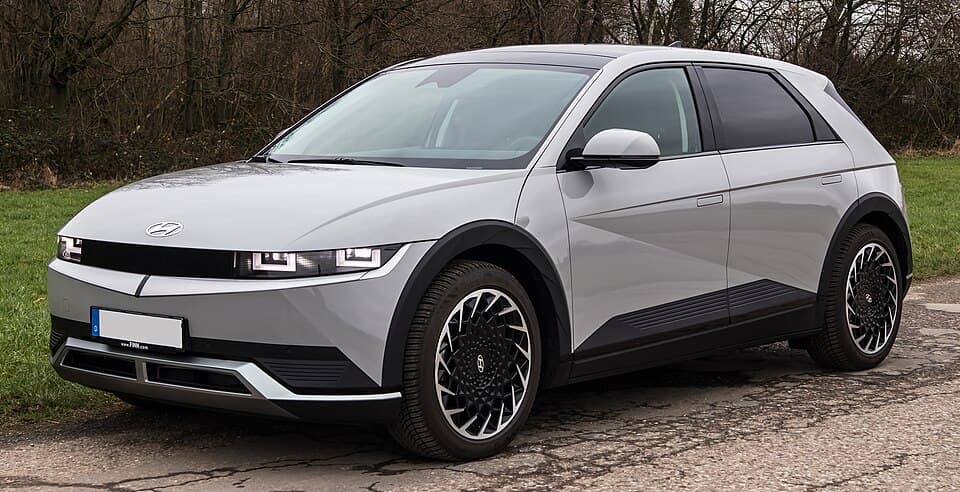
Retro-futurist styling, 18-minute fast charging.
 © Vauxford · CC BY-SA 4.0
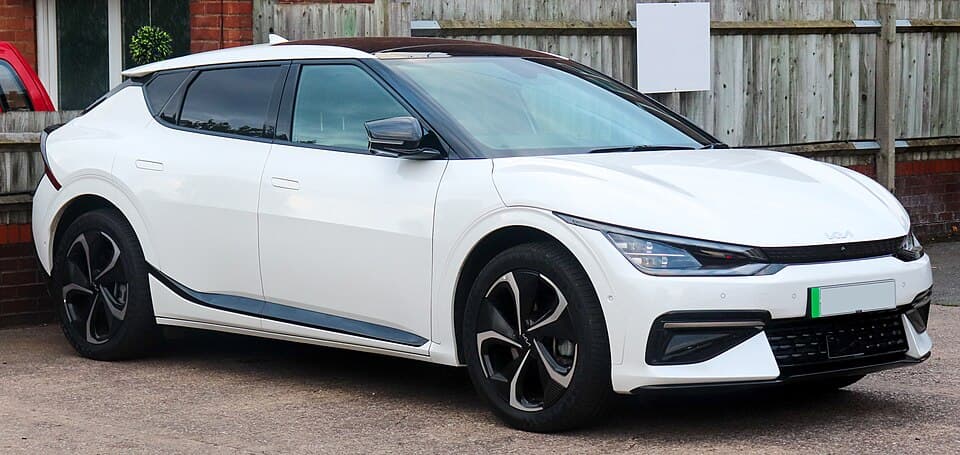
Sportier sibling to the Ioniq 5. GT trim does 0–60 in 3.4s.
 © Kevauto · CC BY-SA 4.0
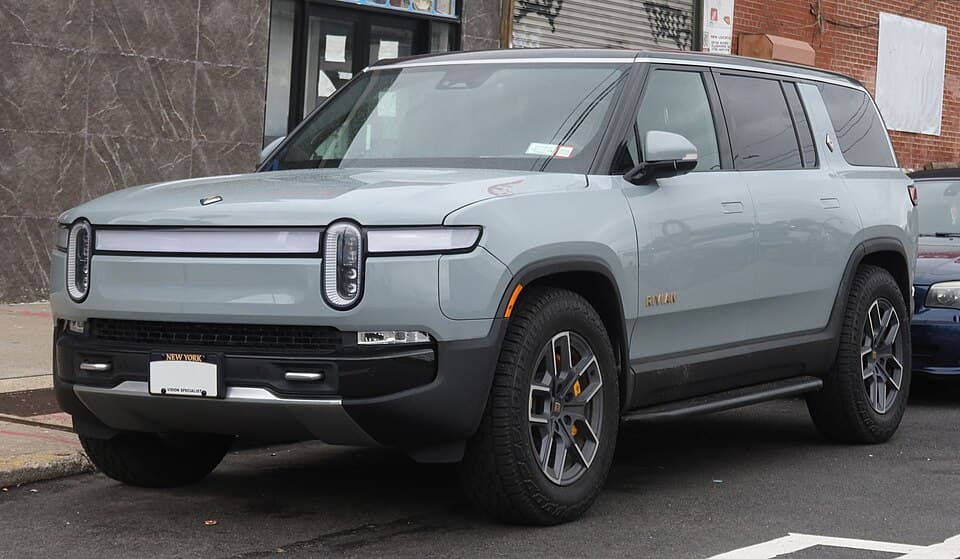
Three-row family SUV that can also climb a mountain.
Minnesota winters are no joke. Sustained sub-zero temperatures in January and February, with -20°F to -30°F readings several times per winter. Range loss in those conditions runs 30–40% on most EVs.
What actually works in MN winters:
What struggles: older short-range EVs (sub-200 mi rated), non-heat-pump models (Bolt, older Leafs), rear-wheel-drive-only configurations for non-garage parkers.
Summer in Minnesota is mild and rarely battery-aging severe. The shoulder seasons (April-May, September-October) are EV bliss.
Xcel Energy is the dominant utility in the Twin Cities metro and offers some of the most aggressive EV programs in the country. The "EV Service" rate plan drops overnight charging to about $0.05/kWh — half the national average. Most Twin Cities EV owners are on this plan from day one.
Xcel also rebates up to $500 toward residential L2 charger installs and runs a separate program ("Charging Perks") that pays you for letting them manage your charging during grid peaks. Stack on top of the federal home charger credit.
Highway charging: I-94, I-35, and the corridor between Minneapolis-St. Paul and Duluth are well-served. The drive to the Boundary Waters or northwestern MN still requires more planning. Tesla Supercharger coverage in the Twin Cities is excellent.
The Duluth-to-Twin-Cities run is a useful real-world test for Minnesota EV ownership — 150 miles of I-35 with a midpoint at Hinckley. Modern EVs (Model Y, Ioniq 5, EV6) do it on one charge in summer and comfortably with one fast-charge stop in deep winter.
The quiz factors in your driving, charging, budget, and your state's current incentives.
Take the quiz →