 © Vauxford · CC BY-SA 4.0
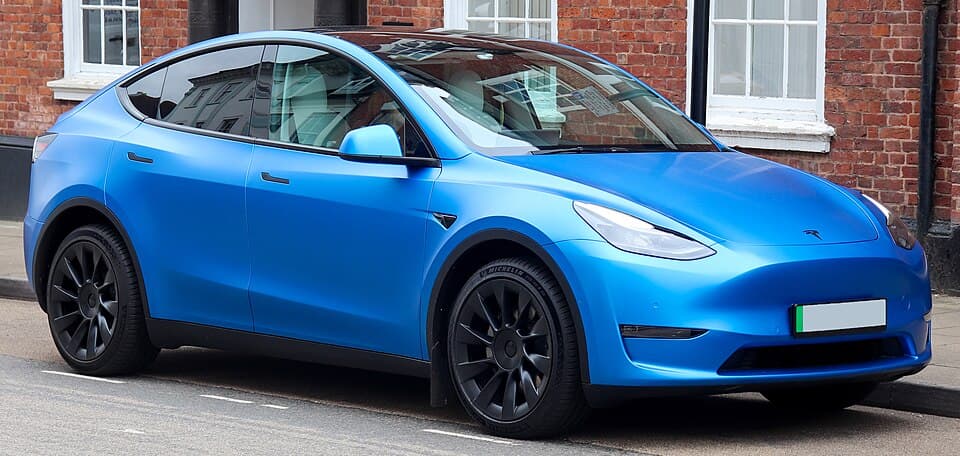
Tesla Model Y
from $45,000320 mi range · tows 3,500 lbs
America's best-selling EV. Cargo space + Supercharger access.
Maryland EV guide
Maryland's EV Excise Tax Credit gives qualifying buyers up to $3,000 at vehicle registration — applied directly against the 6% state vehicle excise tax. On a $40,000 EV, the 6% excise tax would normally be $2,400; the credit zeros that out and gives you another $600 toward general registration costs. Effectively, it's $3,000 off the vehicle.
Combined with typical manufacturer cash discounts ($7,500–$10,000 post-OBBBA) and the still-valid federal home charger credit, Maryland buyers can stack $11,500+ in effective savings. The DC metro charging infrastructure (one of the best in the country) makes ownership practical even for apartment dwellers.
The federal $7,500 EV credit ended Sept 30, 2025 — but these incentives are still live in 2026.
Up to $3,000 excise-tax credit at registration.
Most OEMs are offering cash on the hood to replace the lost federal credit. Varies by brand, model, and month.
30% of install cost up to $1,000 for personal use. Install before June 30, 2026.
Worth roughly $300–$600/year at typical loan rates and tax brackets.
Programs change. Verify state credits at the DOE state incentive database and federal status at irs.gov.
Picked for Maryland's climate, terrain, and the cars you'll actually see on dealer lots.
© Vauxford · CC BY-SA 4.0America's best-selling EV. Cargo space + Supercharger access.
 © © M 93 · CC BY-SA 3.0 de
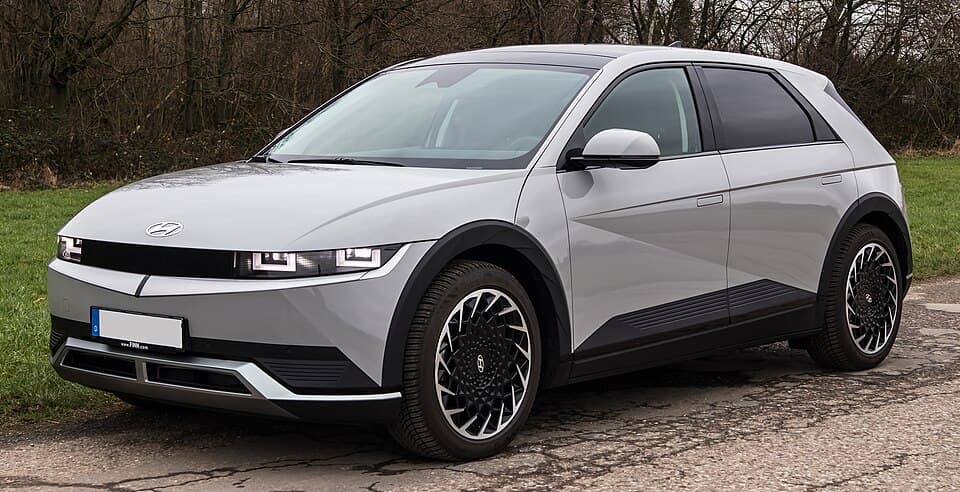
Retro-futurist styling, 18-minute fast charging.
 © Kevauto · CC BY-SA 4.0
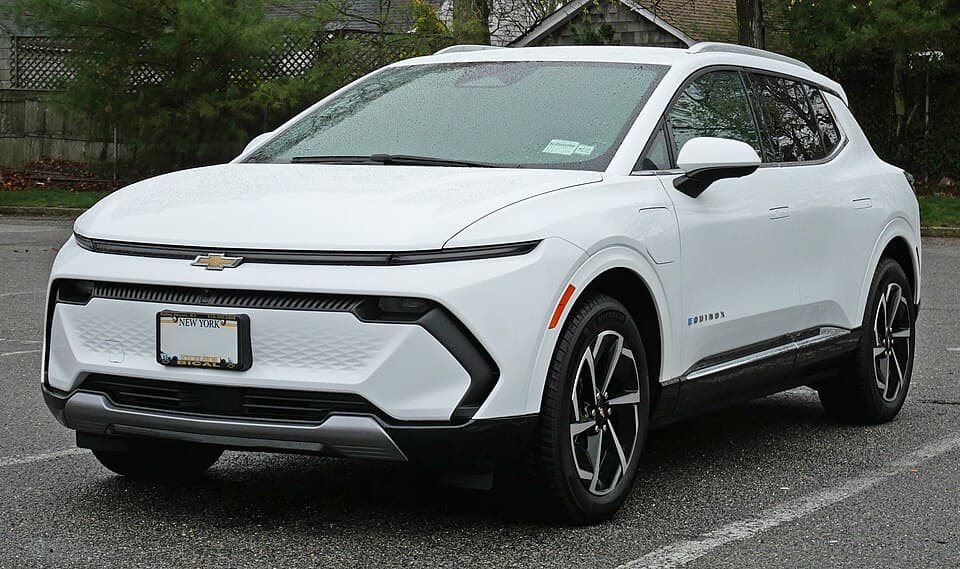
Best value EV SUV. 300+ miles for the price of a Camry.
 © Vauxford · CC BY-SA 4.0
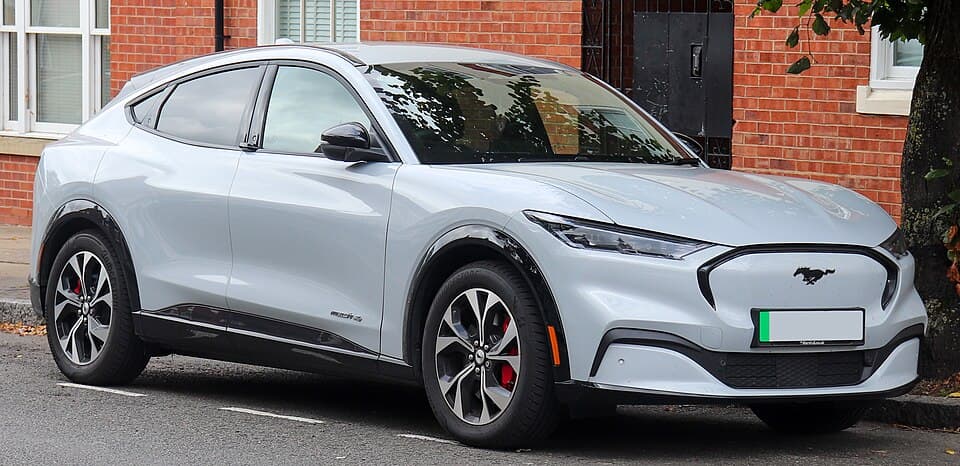
Now with Supercharger access. Roomy and quick.
Maryland's climate is genuinely friendly for EVs. The Mid-Atlantic geography gives mild winters (rarely sustained below 25°F) and hot but not extreme summers. Range loss in winter is typically 15–20% on the coldest weeks — easily manageable with any modern EV.
The Eastern Shore and southern Maryland get the mildest winters. Western Maryland (Garrett County, the Allegheny corridor) gets real winter with mountain snow — expect 25%+ range loss there. The DC suburbs, Baltimore metro, and Annapolis are all temperate enough that range anxiety in winter is overstated.
Summer humidity is real — AC will run hard, costs 5–8% range on the hottest weeks. Not a big factor over the life of the car.
The DC metro infrastructure is exceptional. Bethesda, Silver Spring, Rockville, Columbia, Annapolis all have dense L2 charging at shopping centers and dense Tesla Supercharger coverage on major routes. I-95, I-270, I-695, I-83, I-97 are all well-served. Drive to the Eastern Shore or Western MD requires more planning but the picture has improved fast.
BGE (Baltimore Gas & Electric) and Pepco (DC metro) both offer EV-specific time-of-use rate plans that drop overnight charging to about $0.10/kWh. Both utilities also offer rebates on residential L2 charger installs that stack with the federal credit.
The "DC area apartment" angle: a substantial portion of the Maryland EV-curious population lives in apartment buildings in Bethesda, Silver Spring, North Bethesda, and the Capitol Hill suburbs. Many of these buildings now have garage charging — check before signing a lease. Even without building charging, the DC metro has enough public L2 to make apartment EV ownership viable for short-commute drivers.
Maryland Transit / MARC parking garages at Penn-MD, Brunswick, and Camden lines increasingly have L2 charging — useful if you train to DC and want to charge during your commute.
The quiz factors in your driving, charging, budget, and your state's current incentives.
Take the quiz →