 © Vauxford · CC BY-SA 4.0
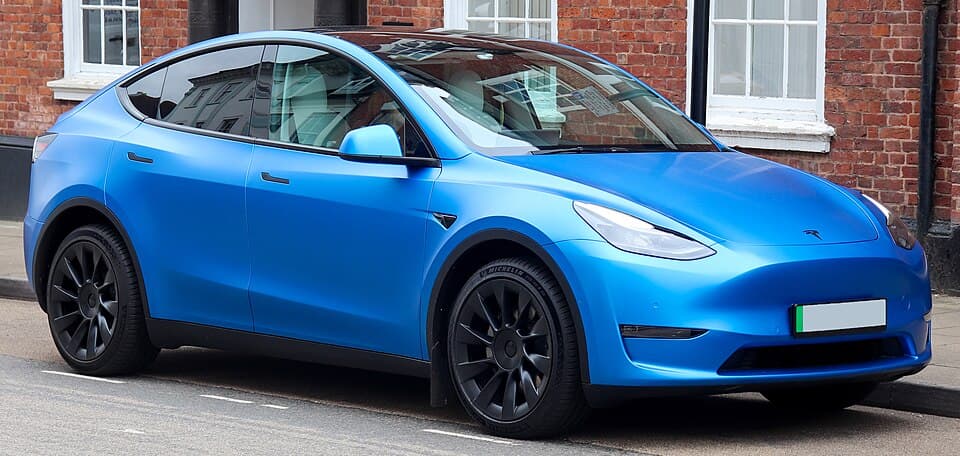
Tesla Model Y
from $45,000320 mi range · tows 3,500 lbs
America's best-selling EV. Cargo space + Supercharger access.
Maine EV guide
Maine's Efficiency Maine EV Rebate gives qualifying buyers $2,000 standard at point of sale. Income-qualified buyers (under ~$77k for joint filers) can stack additional rebates up to a total of $7,500 — making Maine one of the strongest income-tiered EV programs in the country.
Combined with manufacturer cash discounts of $7,500–$10,000 post-OBBBA and the still-valid federal home charger credit, Maine buyers in the income-qualified tier can stack over $15,000 in effective savings. That's the best per-capita stack of any state for moderate-income buyers in 2026.
The federal $7,500 EV credit ended Sept 30, 2025 — but these incentives are still live in 2026.
$2,000 base; up to $7,500 for income-qualified buyers.
Most OEMs are offering cash on the hood to replace the lost federal credit. Varies by brand, model, and month.
30% of install cost up to $1,000 for personal use. Install before June 30, 2026.
Worth roughly $300–$600/year at typical loan rates and tax brackets.
Programs change. Verify state credits at the DOE state incentive database and federal status at irs.gov.
Picked for Maine's climate, terrain, and the cars you'll actually see on dealer lots.
© Vauxford · CC BY-SA 4.0America's best-selling EV. Cargo space + Supercharger access.
 © © M 93 · CC BY-SA 3.0 de
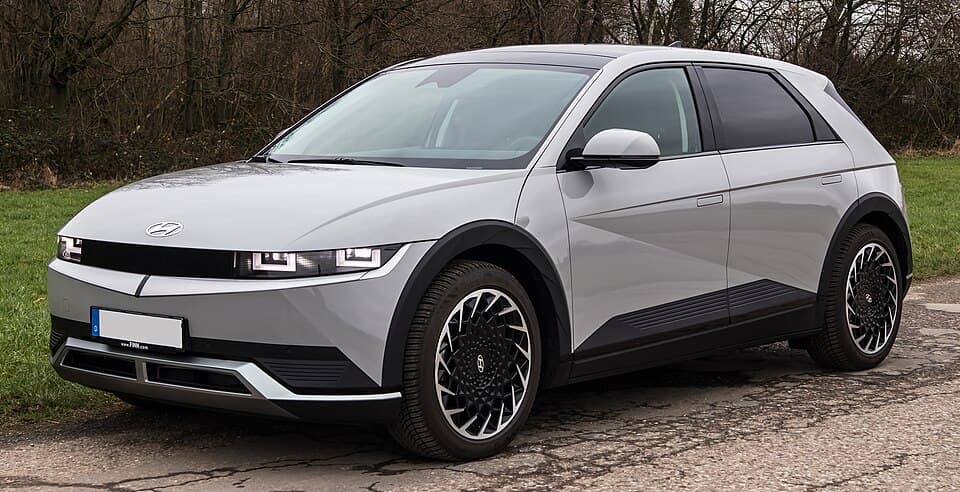
Retro-futurist styling, 18-minute fast charging.
 © Elise240SX · CC BY-SA 4.0
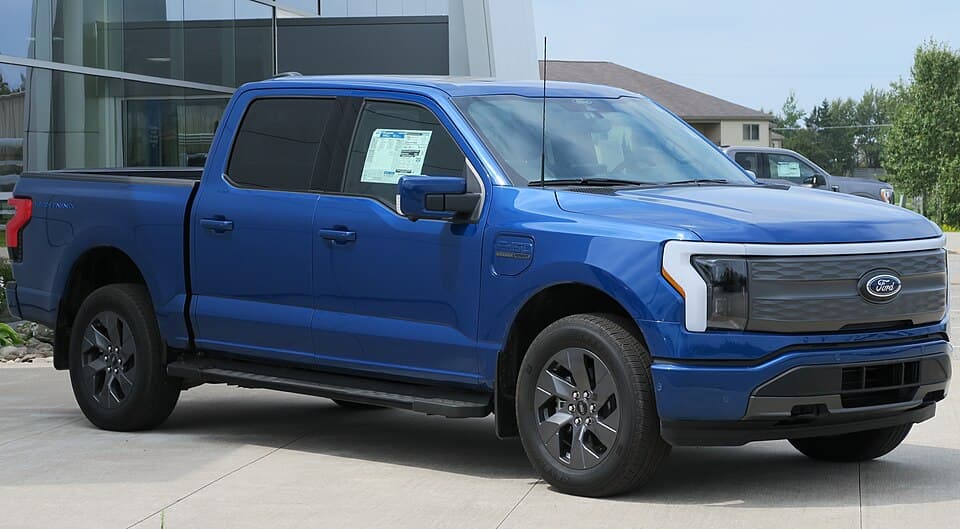
The familiar F-150, electric. Powers your house in a blackout.
 © Kevauto · CC BY-SA 4.0
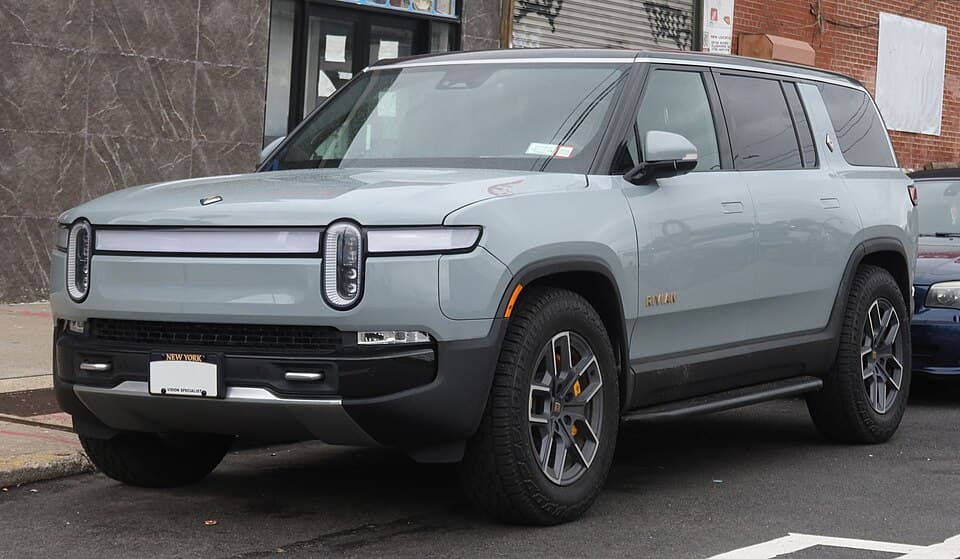
Three-row family SUV that can also climb a mountain.
Maine winters are full-on. Southern Maine (Portland, Biddeford, Kennebunk) sees moderated weather thanks to Atlantic influence; central and northern Maine (Bangor, Aroostook County) get sustained sub-zero temperatures and significant snow.
Expect 28–35% range loss in northern Maine on the coldest weeks. Heat- pump-equipped EVs handle it meaningfully better. Aim for at least 300 miles EPA range if you're north of Augusta — winter real-world stays above 195 miles even on the worst days. AWD is essentially mandatory for year-round operation outside the immediate coast.
Summer is mild and beautiful — no extreme heat aging concerns. The shoulder seasons (mid-April through May, September through mid-October) are exceptional EV driving weather.
I-95 from the New Hampshire border to Bangor has solid Tesla Supercharger and Electrify America coverage. The Maine Turnpike service plazas all have fast charging. Routes 1 (coastal), 2 (cross-state), and 27 (down to the Western Mountains) are improving fast.
Central Maine Power and Versant Power both offer EV-specific time-of-use rate plans. Versant's plan drops overnight charging meaningfully — pair with the Efficiency Maine home charger rebate (separate from the EV rebate) for further savings on install.
The Aroostook County / North Woods caveat: driving deep into Aroostook (the County) or up to Baxter State Park still has real charging gaps. The picture is improving but vacation trips to the Allagash, Mount Katahdin, or Quebec require PlugShare planning and careful range management. The harshest winters in the lower 48 happen up here — EV ownership genuinely requires more planning than coastal Maine.
The Maine Lobster trip planner: the typical Boston- to-Bar-Harbor EV road trip works easily with modern long-range EVs (Model Y, Ioniq 5, EV6) — usually one charging stop in Portsmouth or Portland depending on starting battery. Acadia National Park has L2 charging at several visitor centers now.
The quiz factors in your driving, charging, budget, and your state's current incentives.
Take the quiz →