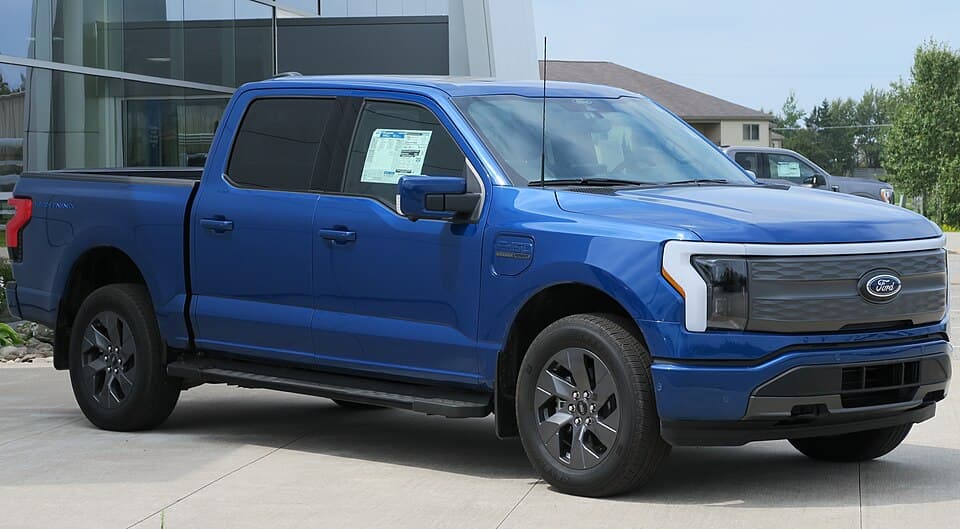
 © Elise240SX · CC BY-SA 4.0
Ford F-150 Lightning
from $55,000320 mi range · tows 10,000 lbs
The familiar F-150, electric. Powers your house in a blackout.
Kentucky EV guide
Kentucky doesn't have a state EV purchase credit but it has serious EV manufacturing investment: Ford's BlueOval SK Battery Park in Glendale (one of the largest battery plants in the country), Toyota's massive Georgetown plant transitioning toward EV models, and GE Aerospace's expanded electrification work in Cincinnati-adjacent Erlanger.
The federal $7,500 EV credit ended Sept 30, 2025. Manufacturer cash discounts of $7,500–$10,000 are the main lever for Kentucky buyers. Lightning specifically tends to see deep discounts at Louisville and Lexington dealers given the local Ford manufacturing presence.
The federal $7,500 EV credit ended Sept 30, 2025 — but these incentives are still live in 2026.
No major state-level EV purchase credit on file. Check your local utility for charger rebates ($200–$1,500 in many areas).
Most OEMs are offering cash on the hood to replace the lost federal credit. Varies by brand, model, and month.
30% of install cost up to $1,000 for personal use. Install before June 30, 2026.
Worth roughly $300–$600/year at typical loan rates and tax brackets.
Programs change. Verify state credits at the DOE state incentive database and federal status at irs.gov.
Picked for Kentucky's climate, terrain, and the cars you'll actually see on dealer lots.
© Elise240SX · CC BY-SA 4.0The familiar F-150, electric. Powers your house in a blackout.
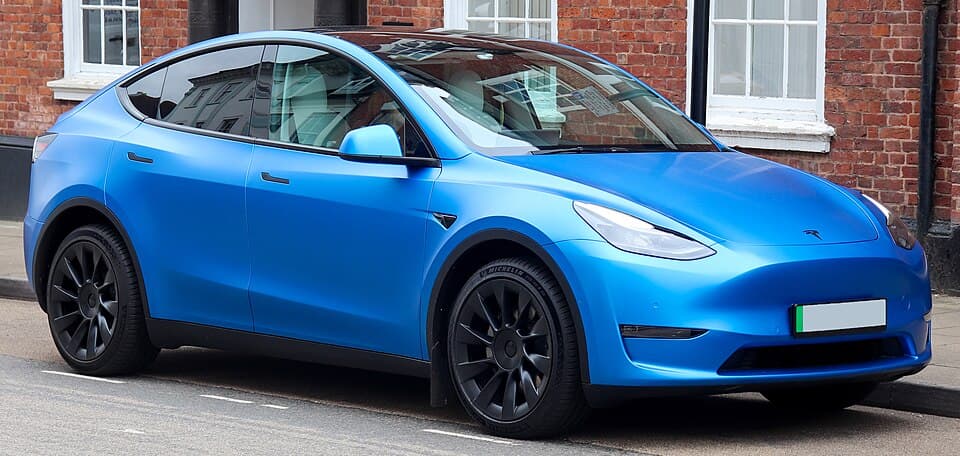 © Vauxford · CC BY-SA 4.0
America's best-selling EV. Cargo space + Supercharger access.
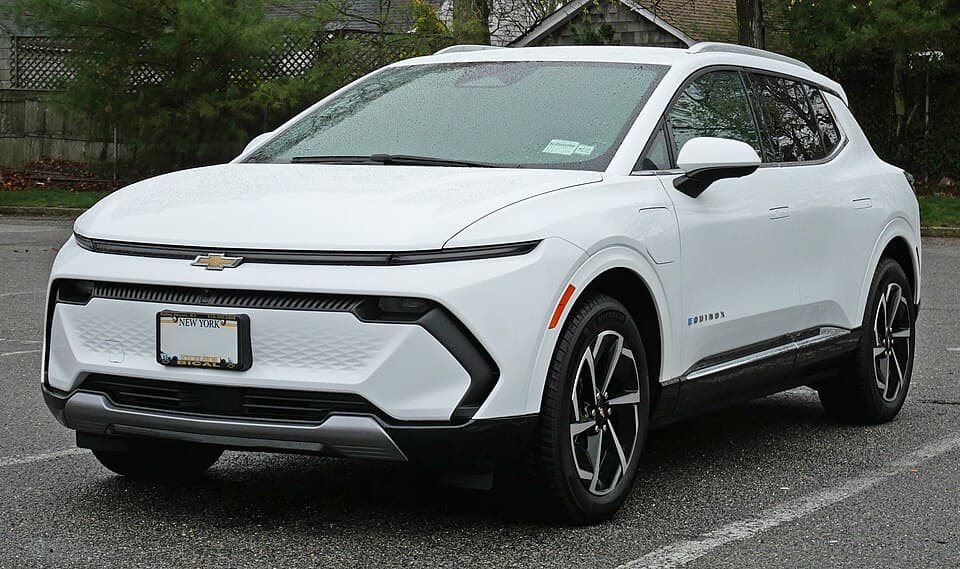 © Kevauto · CC BY-SA 4.0
Best value EV SUV. 300+ miles for the price of a Camry.
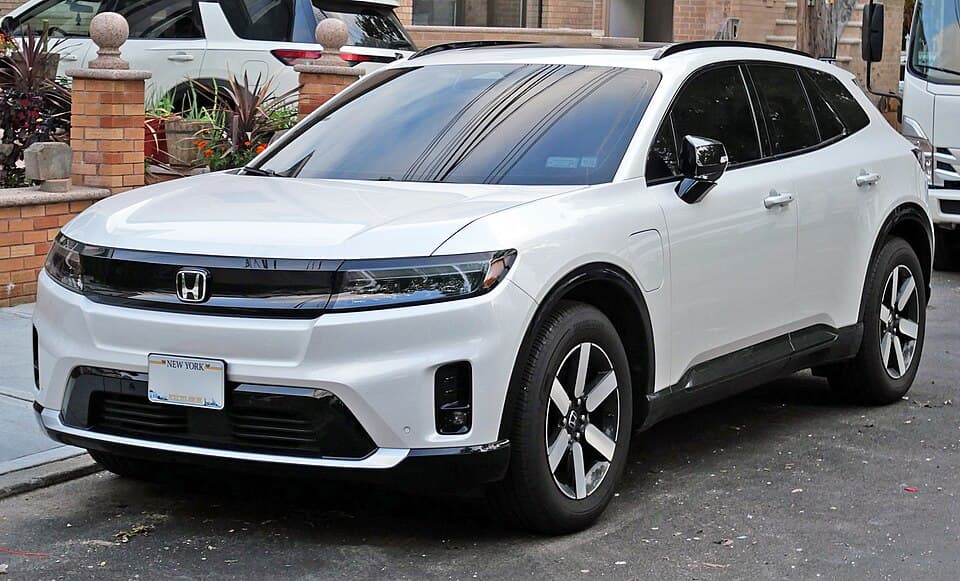 © Kevauto · CC BY-SA 4.0
Honda's first real EV. GM Ultium under Honda body. Worth a look once incentives stack.
Kentucky winters are real but moderate. Louisville and Lexington see manageable cold; the southeastern mountain counties (Pike, Harlan, Letcher) get sustained sub-freezing and occasional ice storms. Expect 18–24% range loss on the coldest weeks across the state.
Heat-pump-equipped EVs (Tesla, Hyundai/Kia, newer Mach-Es) handle Kentucky cold without issue. AWD is worth paying for if you live in eastern Kentucky or commute through the mountains; the western and central regions are fine with FWD.
Summer humidity in western Kentucky (Paducah area) and along the river is real — AC runs hard, costs 5–8% range. Not a battery aging factor.
I-65, I-75, I-71, I-64 all have well-spaced Tesla Superchargers and Electrify America stations. Louisville and Lexington metros have solid fast-charging coverage. The corridor between Louisville and Nashville (I-65) is one of the best EV road-trip routes in the Southeast.
LG&E (Louisville Gas & Electric), Kentucky Utilities (central KY), and Duke Energy Kentucky (northern KY) all offer EV-specific time-of-use rate plans. Most drop overnight charging to about $0.08–0.10/kWh — solid savings vs. standard rates.
The Kentucky EV manufacturing employee angle: Ford's BlueOval SK Battery Park employs thousands; Toyota Georgetown employs tens of thousands. Employee pricing programs (X-Plan for Ford, similar for Toyota) stack on top of public manufacturer discounts. Worth checking with HR before going to a dealer.
Rural Kentucky caveat: Appalachian Kentucky (Pike, Letcher, Harlan, Floyd counties), the western lake country (Land Between the Lakes), and the deep northern river towns still have meaningful charging gaps. PlugShare planning required for vacation trips off the major interstates.
The quiz factors in your driving, charging, budget, and your state's current incentives.
Take the quiz →