 © Vauxford · CC BY-SA 4.0
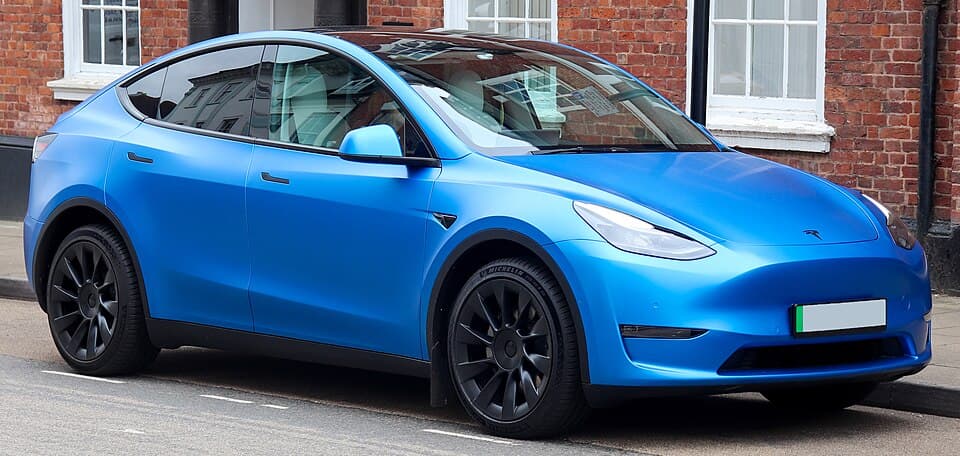
Tesla Model Y
from $45,000320 mi range · tows 3,500 lbs
America's best-selling EV. Cargo space + Supercharger access.
Kansas EV guide
Kansas has no state EV purchase credit but it has a few quiet advantages: flat highways that flatter EV efficiency, a wind-heavy Evergy grid (Kansas generates more wind power per capita than almost any state), and an I-70/I-35 charging spine that puts Wichita, Topeka, and the Kansas City metro on the national EV map.
With the federal $7,500 EV credit ended Sept 30, 2025, manufacturer cash discounts of $7,500–$10,000 are the main lever. Evergy serves most of the populated state and offers an EV time-of-use rate worth asking about when you install a home charger.
The federal $7,500 EV credit ended Sept 30, 2025 — but these incentives are still live in 2026.
No major state-level EV purchase credit on file. Check your local utility for charger rebates ($200–$1,500 in many areas).
Most OEMs are offering cash on the hood to replace the lost federal credit. Varies by brand, model, and month.
30% of install cost up to $1,000 for personal use. Install before June 30, 2026.
Worth roughly $300–$600/year at typical loan rates and tax brackets.
Programs change. Verify state credits at the DOE state incentive database and federal status at irs.gov.
Picked for Kansas's climate, terrain, and the cars you'll actually see on dealer lots.
© Vauxford · CC BY-SA 4.0America's best-selling EV. Cargo space + Supercharger access.
 © © M 93 · CC BY-SA 3.0 de
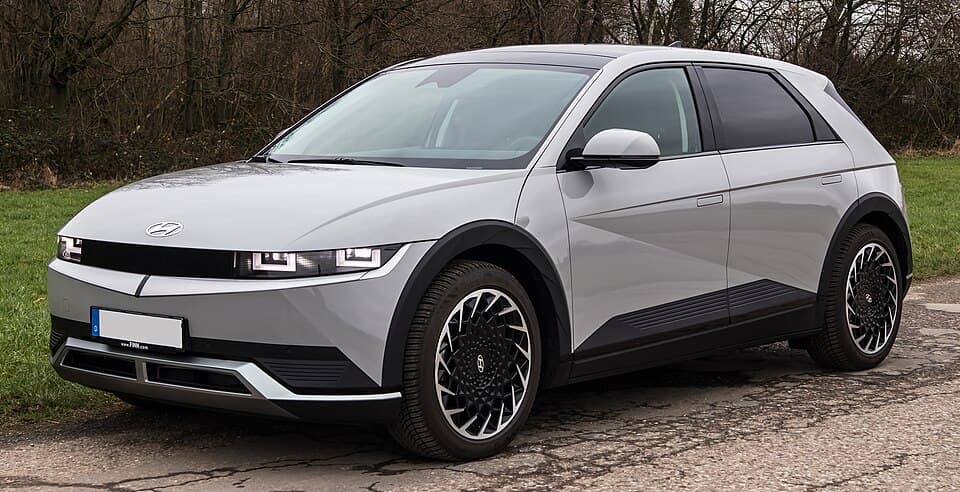
Retro-futurist styling, 18-minute fast charging.
 © Elise240SX · CC BY-SA 4.0
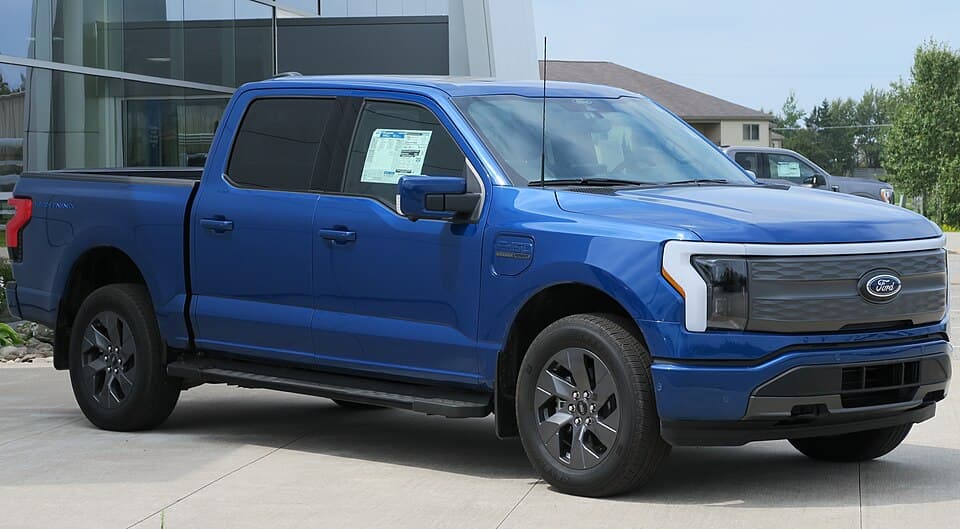
The familiar F-150, electric. Powers your house in a blackout.
 © Kevauto · CC BY-SA 4.0
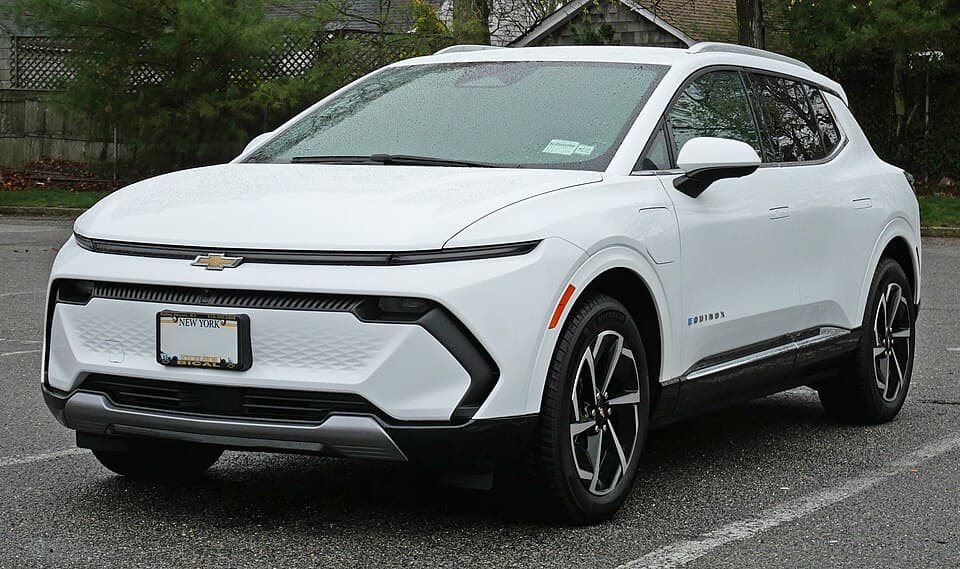
Best value EV SUV. 300+ miles for the price of a Camry.
Kansas climate is high-amplitude: hot summers (100°F+ in July and August), cold winters (sustained sub-freezing and occasional sub-zero in the north and west), and tornado season every spring. EV battery aging from heat is a real long-term consideration — covered or garage parking matters here, especially in the southern half of the state.
Winter range loss runs 18–25% on the coldest weeks. Heat-pump- equipped EVs (Tesla, Hyundai/Kia, newer Mach-Es) handle Kansas winters well. AWD is a real benefit for western Kansas drivers where ground blizzards across open prairie are a regular event.
The tornado question: covered parking is genuinely valuable in Kansas — not just for battery longevity but for hail protection. Hail-damaged EVs are expensive to repair given aluminum panels and structural battery packs. If you park outside in central Kansas, factor a comprehensive insurance bump into your EV cost math.
I-70 east-west across Kansas (Kansas City through Topeka, Salina, Hays, and on to Colorado) and I-35 north-south (Oklahoma through Wichita, Emporia, and into Missouri) both have well-spaced Tesla Superchargers and Electrify America stations. The drive across Kansas on I-70 is one of the longer flat EV legs in the country and has become genuinely easy.
Wichita, Topeka, and the Kansas City metro all have solid metro charging coverage. Lawrence and Manhattan (the university towns) have improved fast. Western Kansas off the interstates still has real gaps — Garden City, Dodge City, and Liberal all have at least one DC fast charger but the routes between them are thin.
The wind-energy angle: Kansas generates roughly 45% of its electricity from wind in 2026. Combined with Evergy's overnight EV rate, the per-mile cost and per-mile emissions of EV driving in Kansas are both genuinely low — better than the national grid average.
Farm-truck note: the F-150 Lightning gets real looks from Kansas farmers and ranchers for in-field work and bidirectional power export. For long-haul cattle trailering it's still the wrong tool, but for daily ranch chores and a 50-mile town commute it pencils out.
The quiz factors in your driving, charging, budget, and your state's current incentives.
Take the quiz →