 © © M 93 · CC BY-SA 3.0 de
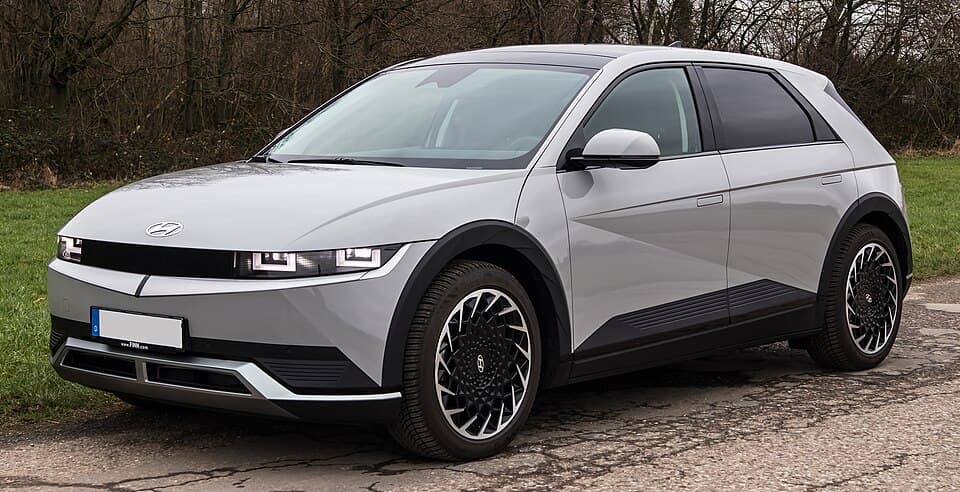
Hyundai Ioniq 5
from $42,000303 mi range · tows 2,300 lbs
Retro-futurist styling, 18-minute fast charging.
Iowa EV guide
Iowa has no state EV purchase credit but it has two quietly excellent advantages: a wind-heavy grid (about 60% of in-state generation in 2026) that makes every electric mile genuinely clean, and MidAmerican Energy's overnight EV rate plan that lands around $0.07/kWh. Combine those two and the per-mile cost of driving electric in Iowa is among the lowest in the country.
With the federal $7,500 EV credit ended Sept 30, 2025, manufacturer cash discounts of $7,500–$10,000 are the main lever. MidAmerican covers most of the state including Des Moines and Council Bluffs; Alliant Energy covers Cedar Rapids and the eastern quarter. Both have EV-specific TOU rates worth asking about.
The federal $7,500 EV credit ended Sept 30, 2025 — but these incentives are still live in 2026.
No major state-level EV purchase credit on file. Check your local utility for charger rebates ($200–$1,500 in many areas).
Most OEMs are offering cash on the hood to replace the lost federal credit. Varies by brand, model, and month.
30% of install cost up to $1,000 for personal use. Install before June 30, 2026.
Worth roughly $300–$600/year at typical loan rates and tax brackets.
Programs change. Verify state credits at the DOE state incentive database and federal status at irs.gov.
Picked for Iowa's climate, terrain, and the cars you'll actually see on dealer lots.
© © M 93 · CC BY-SA 3.0 deRetro-futurist styling, 18-minute fast charging.
 © Vauxford · CC BY-SA 4.0
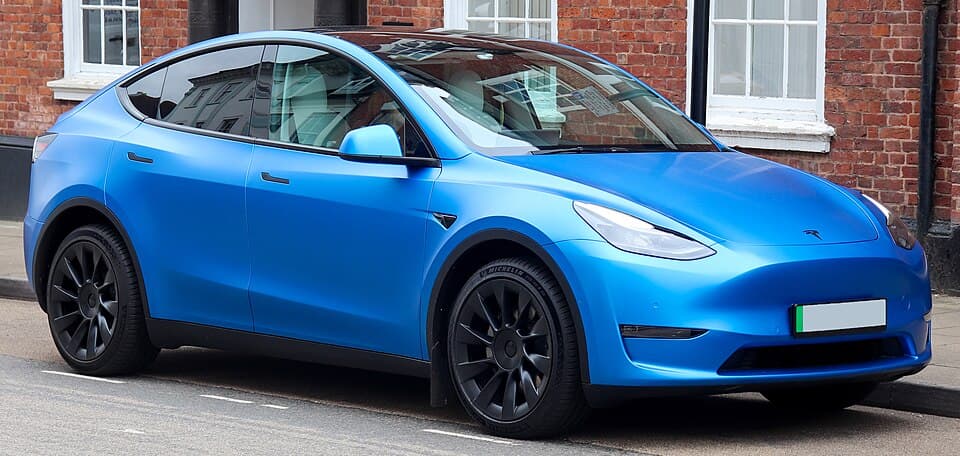
America's best-selling EV. Cargo space + Supercharger access.
 © Vauxford · CC BY-SA 4.0
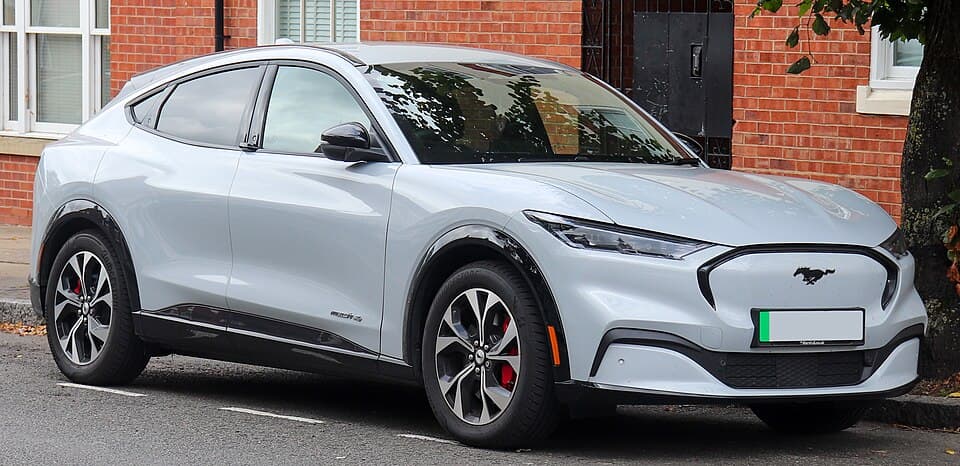
Now with Supercharger access. Roomy and quick.
 © Elise240SX · CC BY-SA 4.0
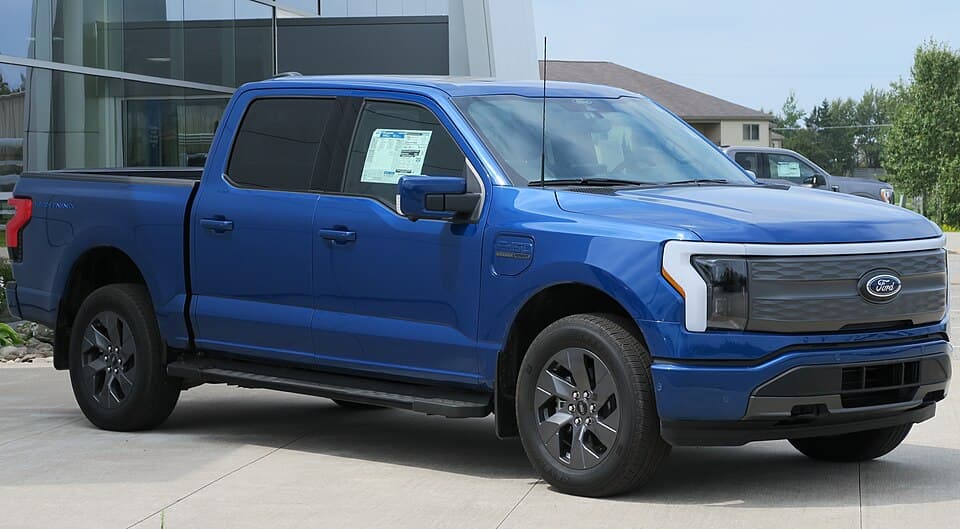
The familiar F-150, electric. Powers your house in a blackout.
Iowa winters are real but manageable. Sustained single-digit temperatures in January and February, occasional sub-zero stretches, regular snow but rarely the deep accumulation seen further north. Expect 15–25% range loss on the coldest weeks. Heat-pump-equipped EVs (Tesla, Hyundai/Kia, newer Mach-Es) lose meaningfully less.
For Iowa specifically: target at least 280 miles EPA range so winter real-world stays above 220 miles. AWD is a real quality-of-life upgrade for rural Iowa drivers and anyone who commutes through open prairie where ground blizzards are a regular winter event.
Summers are hot and humid, but not punishingly so. AC range losses are modest (5–10%) and battery aging from heat is a minor long-term concern. Shaded parking helps but isn't critical the way it is in Arizona or Texas.
I-80 across the southern third of the state is the main charging spine — Tesla Superchargers and Electrify America stations cover the corridor from the Quad Cities through Iowa City, Des Moines, and Council Bluffs. I-35 from Kansas City through Des Moines to Minneapolis is well-served. The drive across Iowa is one of the easier transcontinental EV legs.
Off the interstates, charging thins out fast. The drive from Des Moines to Sioux City, or up to Dubuque on US-20 and US-30, still requires PlugShare planning. Rural Iowa charging is improving but lags the metro coverage by years.
The MidAmerican advantage: the EV time-of-use rate (about $0.07/kWh overnight) is among the best EV fueling rates in the country. Pair with rooftop solar — Iowa has surprisingly good sun hours for a Midwestern state — and the effective per-mile cost approaches zero for the daytime miles.
The caucus-year sidebar: presidential candidates cycle through Iowa diners every four years with photo-op EV stops, which has had the genuine side-effect of bumping local charging investment. Expect another wave in early 2028. Until then, the underlying infrastructure is solid for a state of Iowa's population density.
Farm-truck note: the F-150 Lightning gets legitimate consideration from Iowa farmers for in-field work and power export at remote sites. For long-haul livestock trailering it's still the wrong tool, but for daily farm chores plus commuter duty it pencils out.
The quiz factors in your driving, charging, budget, and your state's current incentives.
Take the quiz →