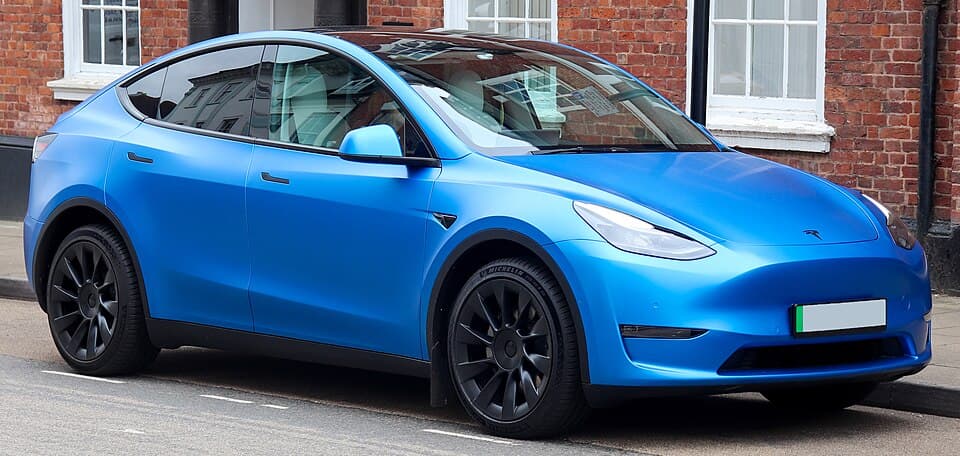
 © Vauxford · CC BY-SA 4.0
Tesla Model Y
from $45,000320 mi range · tows 3,500 lbs
America's best-selling EV. Cargo space + Supercharger access.
Hawaii EV guide
Hawaii has the most unusual EV economics in America. Gas is the most expensive in the country ($5.50+/gallon typical), which makes EV fuel savings dramatic in absolute terms. But Hawaii also has the most expensive residential electricity ($0.40+/kWh on Oahu, even higher on outer islands), which compresses the per-mile cost savings significantly.
No state EV credit. With the federal $7,500 EV credit ended Sept 30, 2025, manufacturer cash discounts are the main lever. Many automakers add Hawaii-specific cost adjustments (shipping cost is real) but the cash promos still apply meaningfully.
The federal $7,500 EV credit ended Sept 30, 2025 — but these incentives are still live in 2026.
No major state-level EV purchase credit on file. Check your local utility for charger rebates ($200–$1,500 in many areas).
Most OEMs are offering cash on the hood to replace the lost federal credit. Varies by brand, model, and month.
30% of install cost up to $1,000 for personal use. Install before June 30, 2026.
Worth roughly $300–$600/year at typical loan rates and tax brackets.
Programs change. Verify state credits at the DOE state incentive database and federal status at irs.gov.
Picked for Hawaii's climate, terrain, and the cars you'll actually see on dealer lots.
© Vauxford · CC BY-SA 4.0America's best-selling EV. Cargo space + Supercharger access.
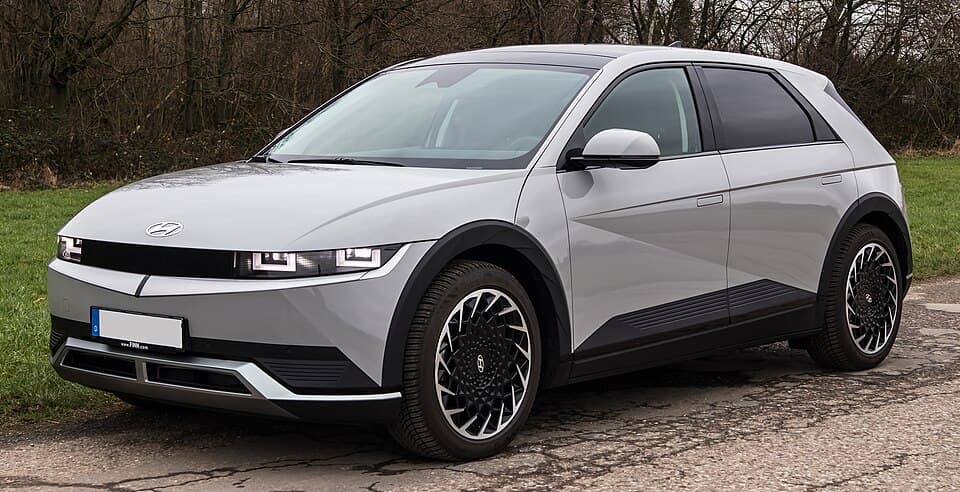 © © M 93 · CC BY-SA 3.0 de
Retro-futurist styling, 18-minute fast charging.
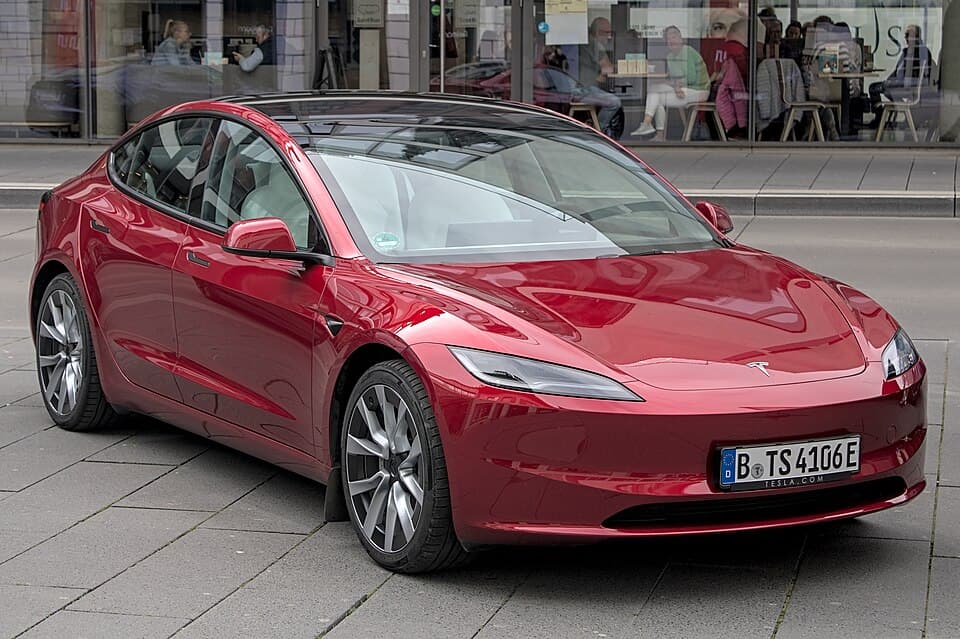 © Alexander-93 · CC BY-SA 4.0
Best charging network in the country. Drives like a rocket.
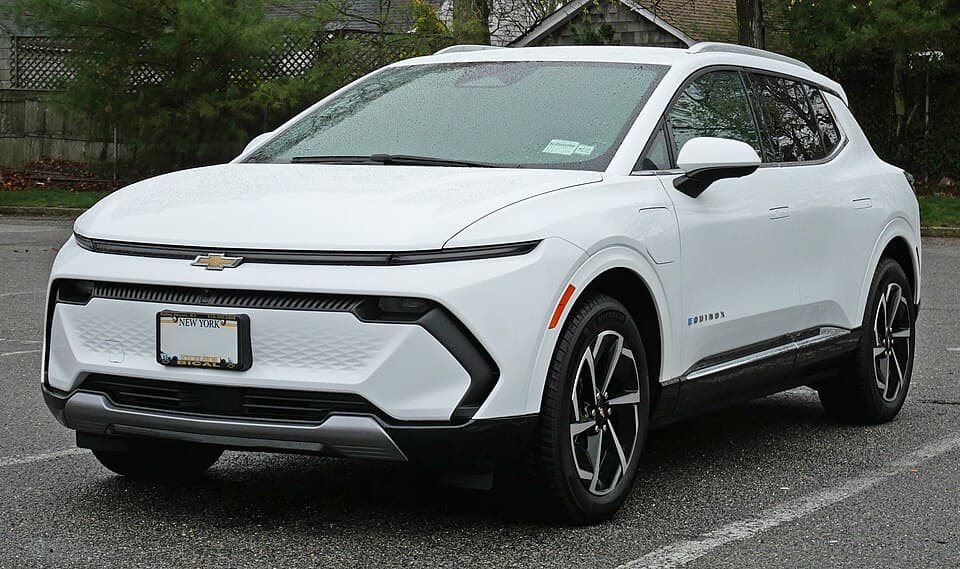 © Kevauto · CC BY-SA 4.0
Best value EV SUV. 300+ miles for the price of a Camry.
Hawaii has the most consistently friendly EV climate in America. No winter to speak of — temperatures stay 65–85°F year-round in inhabited elevations. Sustained heat is moderate, not Arizona-extreme. Range loss is essentially zero across the year.
Battery aging from heat is minor compared to mainland sunbelt states because the humidity actually moderates daily peak temperatures. Battery degradation rates in Hawaii are among the slowest in the US.
Volcanic vog (volcanic smog from Kilauea) is a real factor on the Big Island. It accelerates corrosion on metal parts but doesn't specifically harm EVs more than gas cars.
The inter-island problem: there's no way to drive between Hawaiian islands. The biggest practical EV consideration in Hawaii is that you're driving on one island only, so trip distance is limited regardless of vehicle range. Even a 200-mile EV is more than enough for any drive on any island.
Oahu has reasonably good Tesla Supercharger coverage in Honolulu metro, plus growing Electrify America presence. Maui has limited but functional fast charging. Big Island and Kauai have meaningful charging gaps that require careful planning, especially for the South Kohala coast and the Hilo-Volcano-Hilina Pali area.
The expensive electricity reality: HECO charges $0.40–$0.45/kWh residential. That makes EV fueling cost about $0.12 per mile — comparable to a 28-mpg gas car at $3.40/gal mainland prices, but vastly cheaper than the actual $5.50/gal Hawaii gas prices. Net-net: EV still wins on operating cost in Hawaii but the margin is smaller than the gas-price gap implies.
Solar + EV is the Hawaii play. With expensive grid electricity and abundant sun, rooftop solar pairs with an EV better in Hawaii than in any other state. Net metering at HECO's "Customer Grid Supply" rate (~$0.27/kWh export) plus home self-consumption transforms the EV operating cost from $0.12/mile to under $0.04/mile. See our solar + EV stacking guide.
Inter-island shipping: if you actually need to move your EV between islands, Young Brothers and Matson both ship cars. Plan ahead and budget for it — costs $800–$1,500 per crossing.
The quiz factors in your driving, charging, budget, and your state's current incentives.
Take the quiz →