 © © M 93 · CC BY-SA 3.0 de
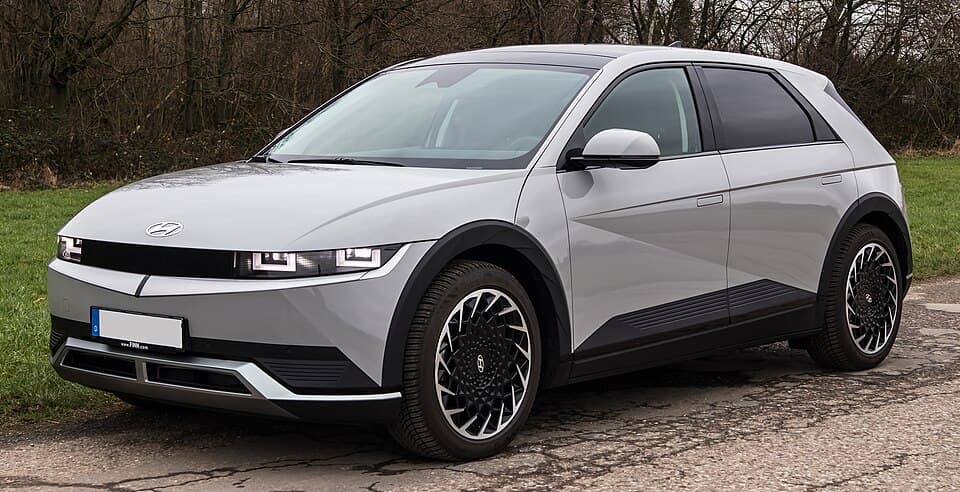
Hyundai Ioniq 5
from $42,000303 mi range · tows 2,300 lbs
Retro-futurist styling, 18-minute fast charging.
Georgia EV guide
Georgia doesn't have a state EV credit — it ended in 2015 after Tesla sales spiked the program past its funding cap. With the federal $7,500 EV credit ended (Sept 30, 2025), manufacturer cash discounts of $7,500–$10,000 are now the main lever in Georgia. Georgia is also becoming the southern hub of EV manufacturing: Hyundai's Metaplant in Bryan County is now stamping out Ioniq 5s and 9s, and Rivian's long-planned Walton County plant is finally moving toward production.
That matters for one specific reason: Hyundai/Kia EVs built in Georgia were built in North America for the brief window when that mattered for the federal credit. Pre-2025 Ioniq 5s built in Korea didn't qualify for the federal purchase credit (only via lease). That distinction stopped mattering when the credit ended in 2025, but the Metaplant remains good news for Georgia jobs and Hyundai/Kia owners getting local service support.
The federal $7,500 EV credit ended Sept 30, 2025 — but these incentives are still live in 2026.
No major state-level EV purchase credit on file. Check your local utility for charger rebates ($200–$1,500 in many areas).
Most OEMs are offering cash on the hood to replace the lost federal credit. Varies by brand, model, and month.
30% of install cost up to $1,000 for personal use. Install before June 30, 2026.
Worth roughly $300–$600/year at typical loan rates and tax brackets.
Programs change. Verify state credits at the DOE state incentive database and federal status at irs.gov.
Picked for Georgia's climate, terrain, and the cars you'll actually see on dealer lots.
© © M 93 · CC BY-SA 3.0 deRetro-futurist styling, 18-minute fast charging.
 © Kevauto · CC BY-SA 4.0
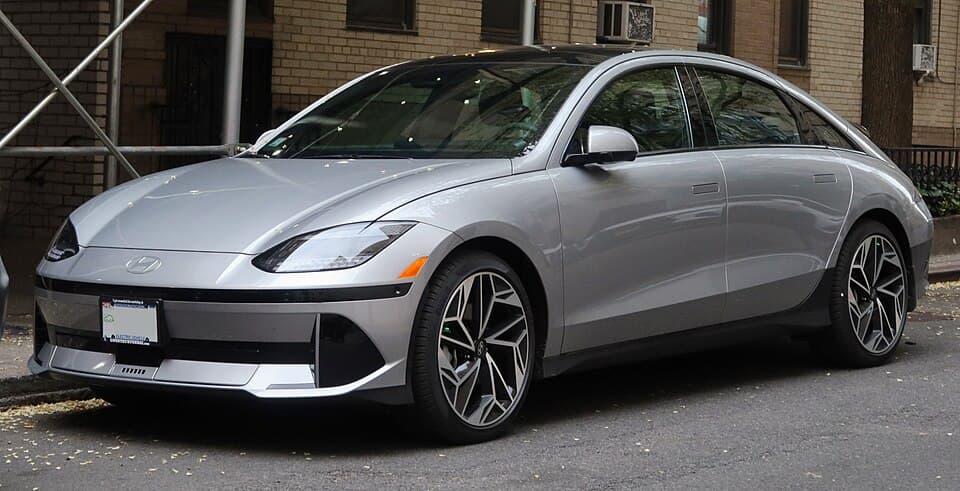
Longest range in its class. 18-minute fast charging.
 © Vauxford · CC BY-SA 4.0
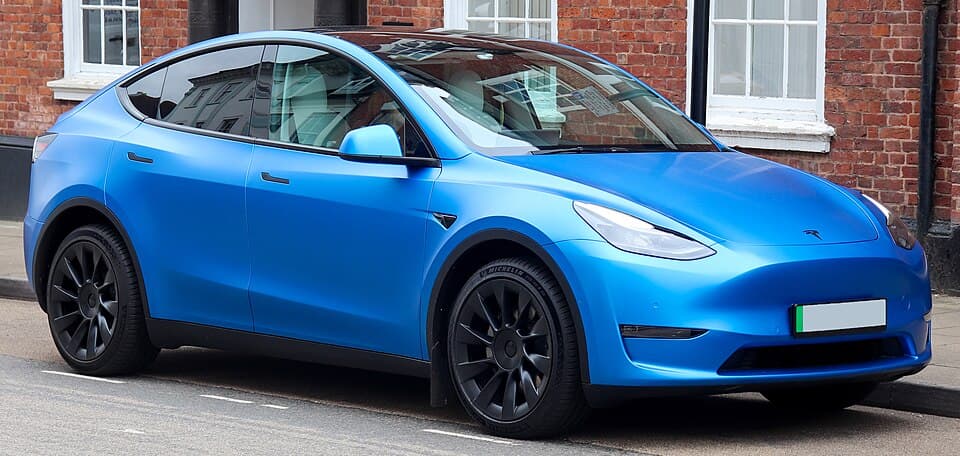
America's best-selling EV. Cargo space + Supercharger access.
 © Vauxford · CC BY-SA 4.0
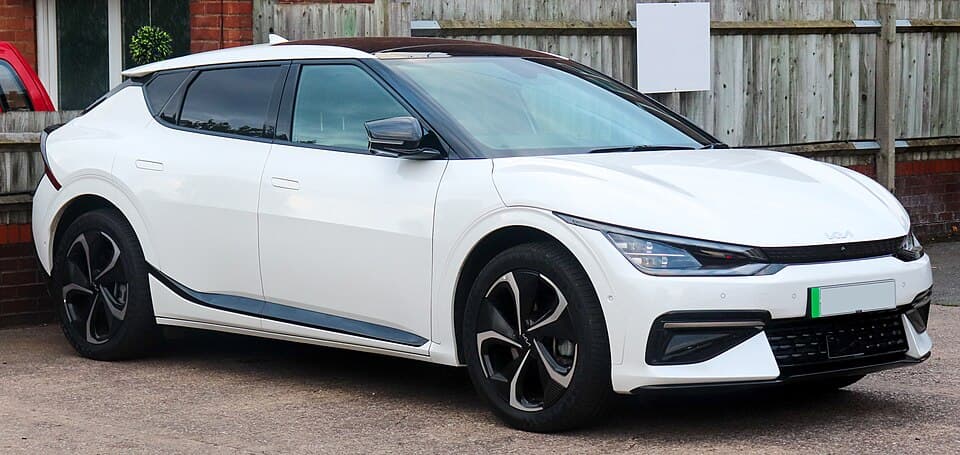
Sportier sibling to the Ioniq 5. GT trim does 0–60 in 3.4s.
Georgia weather is kind to EVs. Summer heat is hot enough to matter — north of 95°F for weeks at a time in the southern half of the state — but liquid-cooled battery packs (every modern EV) handle it fine. Garage parking helps battery longevity if you can swing it.
Winters in Georgia are mild enough that range loss is minor — maybe a 10–15% dip on the coldest weeks in north Georgia, less further south. The mountain regions (Blue Ridge, Helen, Dahlonega) get occasional snow and ice but rarely sustained sub-freezing temps that would meaningfully hurt range.
Charging in Georgia is good in Atlanta metro and along I-75, I-85, I-95, and I-20. Tesla Superchargers are dense in the metros and well-spaced on highways. Electrify America and EVgo cover the corridor cities (Savannah, Augusta, Macon, Columbus) and most of the major exits.
Rural Georgia — Southwest Georgia, parts of the southeast coast, the central farmland — still has gaps. Plan ahead if you're driving Albany-to-Valdosta or into the deep rural southeast. The PlugShare app is your friend.
Georgia Power has an EV time-of-use rate plan called "Plug-In EV" that drops overnight charging to about $0.07/kWh — among the cheapest EV fueling in the country. Worth calling them the day you get the car. EMCs (rural electric cooperatives) have similar programs in many counties.
The quiz factors in your driving, charging, budget, and your state's current incentives.
Take the quiz →