 © Vauxford · CC BY-SA 4.0
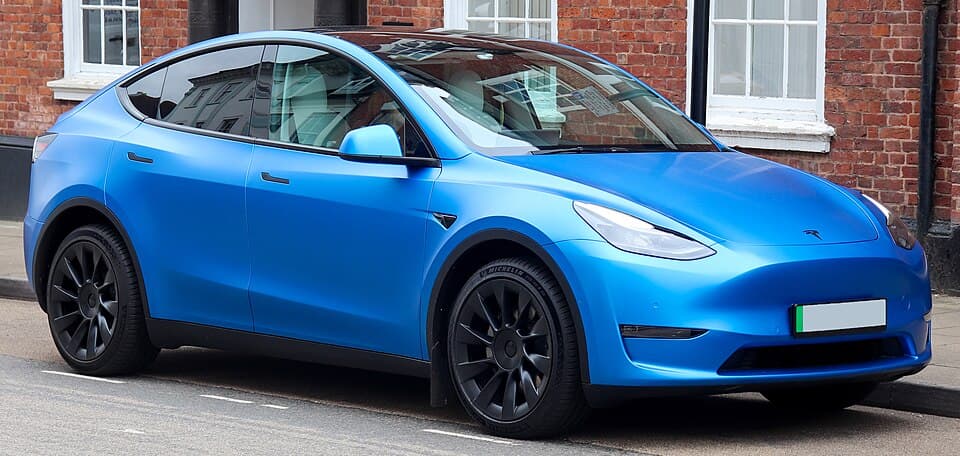
Tesla Model Y
from $45,000320 mi range · tows 3,500 lbs
America's best-selling EV. Cargo space + Supercharger access.
District of Columbia EV guide
The District of Columbia's excise tax exemption on qualifying EV purchases saves buyers approximately $2,500 on a typical $40,000 vehicle — the DC excise tax is structured as a percentage of MSRP and the exemption eliminates it entirely for EVs.
Combined with manufacturer cash discounts of $7,500–$10,000 post-OBBBA and the federal home charger credit, DC buyers can stack over $10,000 in effective savings. The challenge isn't financial — it's that charging an EV in DC without garage parking is harder than anywhere else in the country.
The federal $7,500 EV credit ended Sept 30, 2025 — but these incentives are still live in 2026.
Full excise-tax exemption on qualifying EV purchases.
Most OEMs are offering cash on the hood to replace the lost federal credit. Varies by brand, model, and month.
30% of install cost up to $1,000 for personal use. Install before June 30, 2026.
Worth roughly $300–$600/year at typical loan rates and tax brackets.
Programs change. Verify state credits at the DOE state incentive database and federal status at irs.gov.
Picked for District of Columbia's climate, terrain, and the cars you'll actually see on dealer lots.
© Vauxford · CC BY-SA 4.0America's best-selling EV. Cargo space + Supercharger access.
 © Alexander-93 · CC BY-SA 4.0
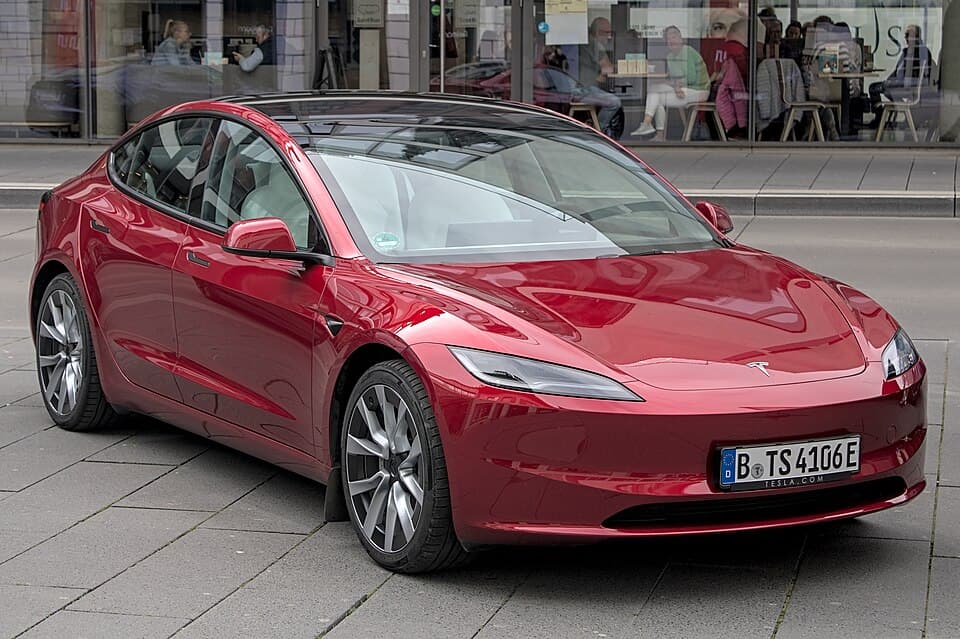
Best charging network in the country. Drives like a rocket.
 © © M 93 · CC BY-SA 3.0 de
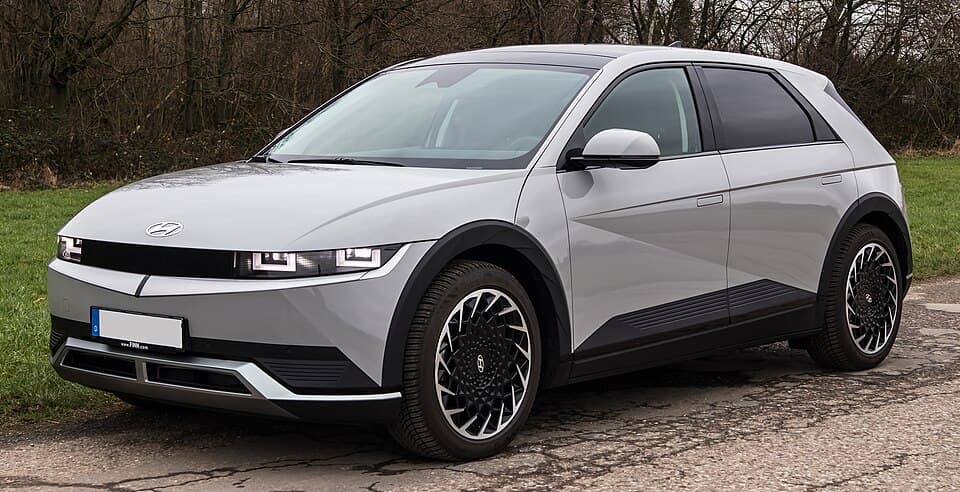
Retro-futurist styling, 18-minute fast charging.
 © Kevauto · CC BY-SA 4.0
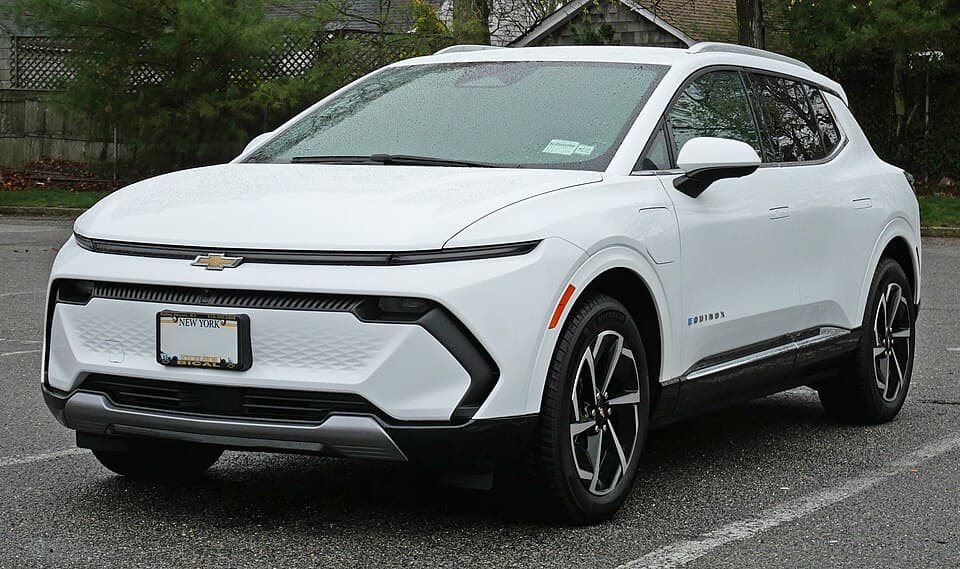
Best value EV SUV. 300+ miles for the price of a Camry.
DC weather is genuinely friendly for EVs. Mild winters (rarely sustained below 25°F), moderate summers (90°F highs), and short shoulder seasons. Range loss is typically 15–20% on the coldest weeks — easily manageable.
Heat-pump-equipped EVs handle DC weather fine year-round. AWD is not necessary — the very rare DC snow events typically melt within 24 hours.
Summer humidity is real — AC runs hard, costs 5–8% range. Not a battery aging factor over reasonable ownership periods.
The DC apartment / no-garage problem. Most DC residents don't have personal garage parking. Street parking is the norm, which means no home charging. DC's public Level 2 network has improved significantly (Pepco's "Power Ready" program, electric co-op installs in apartment garages, increased on-street chargers) but reliable apartment-EV ownership still requires careful planning. See our apartment EV charging guide for the honest take.
For garage-having DC residents: EV ownership is fantastic. Pepco's EV time-of-use rate plan drops overnight charging to about $0.10/kWh. The Pepco Power Ready home charger rebate stacks with the federal credit.
Fast charging within DC is excellent — Tesla Superchargers, Electrify America, and EVgo all have dense coverage. The I-495, I-66, and I-395 corridors are well-served.
The DC government employee angle: many federal agencies, large law firms, and consulting companies have garage charging at office locations. If your workplace has chargers, the apartment-EV economics flip from "hard" to "easy" — you charge at work instead of at home.
The Maryland / Virginia commuter caveat: if you actually live in DC and work in MD or VA, you can register for the DC excise tax exemption based on your DC residence. The exemption applies to where you register the vehicle, not where you work.
The quiz factors in your driving, charging, budget, and your state's current incentives.
Take the quiz →