 © Vauxford · CC BY-SA 4.0
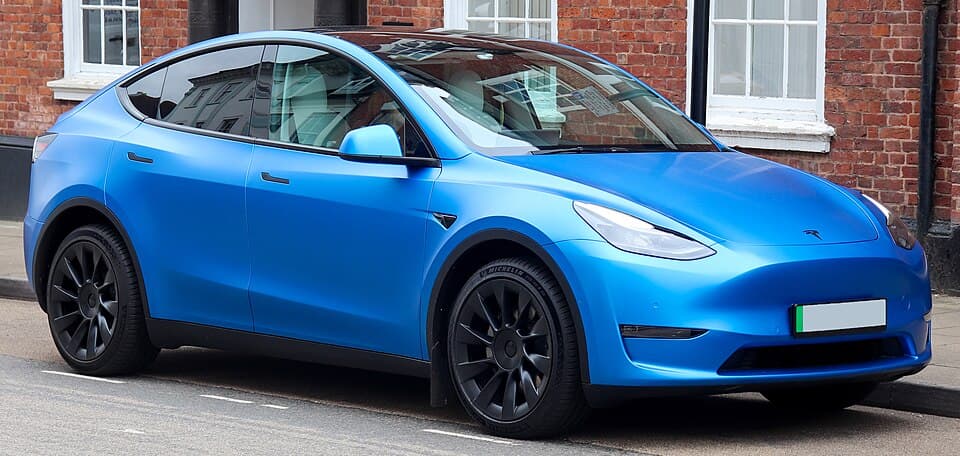
Tesla Model Y
from $45,000320 mi range · tows 3,500 lbs
America's best-selling EV. Cargo space + Supercharger access.
Connecticut EV guide
Connecticut's CHEAPR (Connecticut Hydrogen and Electric Automobile Purchase Rebate) program gives qualifying buyers up to $4,250 at point of sale on new EVs under $50,000 MSRP. The dealer applies it directly — no waiting for tax season, no income verification at the standard tier.
Stacked with typical manufacturer cash discounts ($7,500–$10,000 post-OBBBA) and the still-active federal home charger credit, Hartford or New Haven buyers can routinely land $12,000+ in effective savings on the right vehicle. The income-qualified tier of CHEAPR adds another $1,500–$3,000 for lower- and moderate-income households.
The federal $7,500 EV credit ended Sept 30, 2025 — but these incentives are still live in 2026.
Up to $4,250 incentive at purchase for new EVs ≤ $50k.
Most OEMs are offering cash on the hood to replace the lost federal credit. Varies by brand, model, and month.
30% of install cost up to $1,000 for personal use. Install before June 30, 2026.
Worth roughly $300–$600/year at typical loan rates and tax brackets.
Programs change. Verify state credits at the DOE state incentive database and federal status at irs.gov.
Picked for Connecticut's climate, terrain, and the cars you'll actually see on dealer lots.
© Vauxford · CC BY-SA 4.0America's best-selling EV. Cargo space + Supercharger access.
 © © M 93 · CC BY-SA 3.0 de
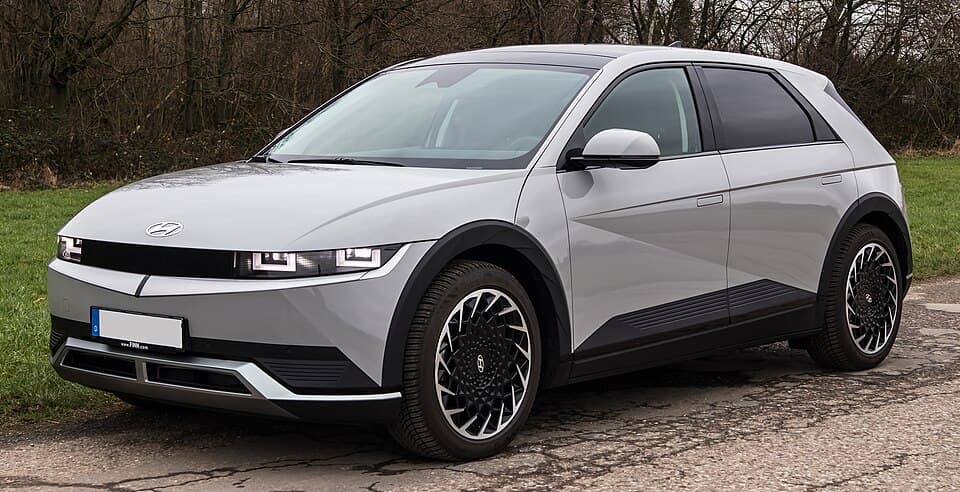
Retro-futurist styling, 18-minute fast charging.
 © Kevauto · CC BY-SA 4.0
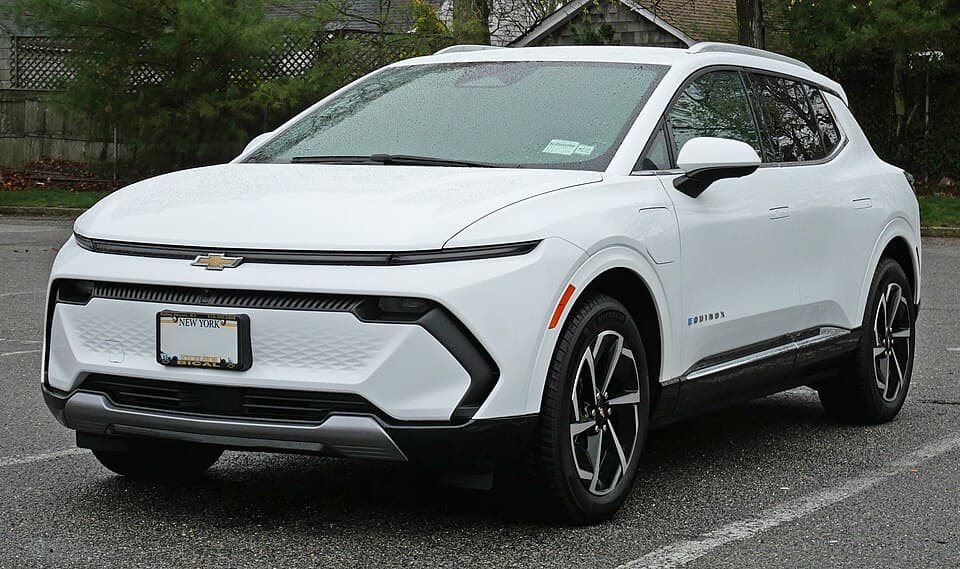
Best value EV SUV. 300+ miles for the price of a Camry.
 © Vauxford · CC BY-SA 4.0
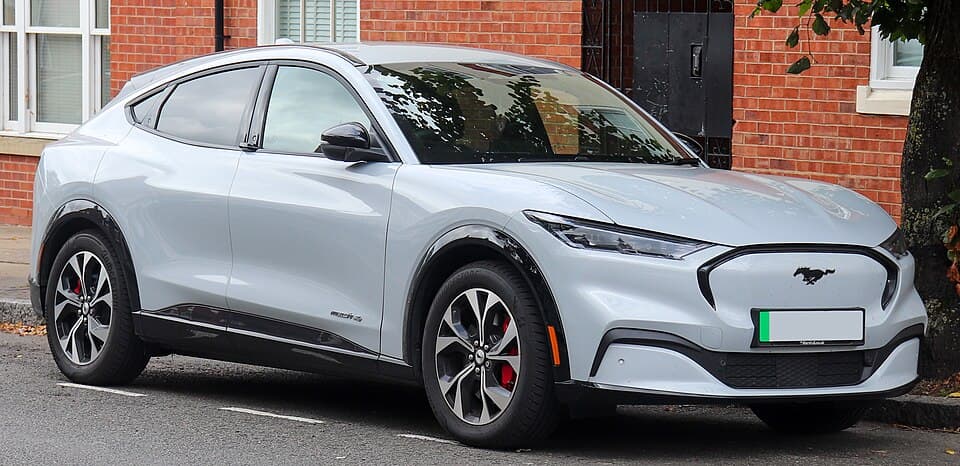
Now with Supercharger access. Roomy and quick.
Connecticut winters are real but moderated by the coast. The southern shoreline (Greenwich, New Haven, New London) sees milder winters than the interior. Hartford metro and the Litchfield Hills get more sustained cold — expect 22–28% range loss on the coldest weeks.
Heat-pump-equipped EVs (Tesla, Hyundai/Kia, newer Mach-Es) lose meaningfully less in Connecticut winters. Aim for at least 260 miles EPA range. AWD is worth paying for if you commute over the hills (Route 8, I-84 west of Hartford) or live in the northwest corner.
Summer is mild — no extreme heat aging concerns. The shoreline communities have some of the friendliest year-round EV climate in the Northeast.
Connecticut's charging infrastructure has improved significantly in the past two years. I-95 (the shoreline corridor) and I-91 (Hartford to Springfield) both have well-spaced Tesla Superchargers and Electrify America stations. I-84 east-west is decent. Going up into the Litchfield Hills or the rural eastern part of the state still requires some planning.
Eversource (the dominant Connecticut utility) offers EV-specific time-of-use rate plans that drop overnight charging to about $0.13/kWh — not as cheap as some southern states but meaningful for high-electricity-rate Connecticut. They also offer rebates on residential L2 charger installs.
The commuting picture: a substantial share of Connecticut residents commute into New York City. The Metro-North parking lots at Stamford, Greenwich, Westport, etc. increasingly have L2 chargers — check the SLE's charging availability map. Charging while you train means you can run your EV without home charging access at the NYC end.
The "drive to Cape Cod or VT" question: Connecticut's location makes it an EV road-trip launching pad. I-95 north to Boston and I-91 north to Vermont both have excellent charging coverage now. Modern long-range EVs (Model Y, Ioniq 5, EV6) handle these trips with a single stop.
The quiz factors in your driving, charging, budget, and your state's current incentives.
Take the quiz →