 © Kevauto · CC BY-SA 4.0
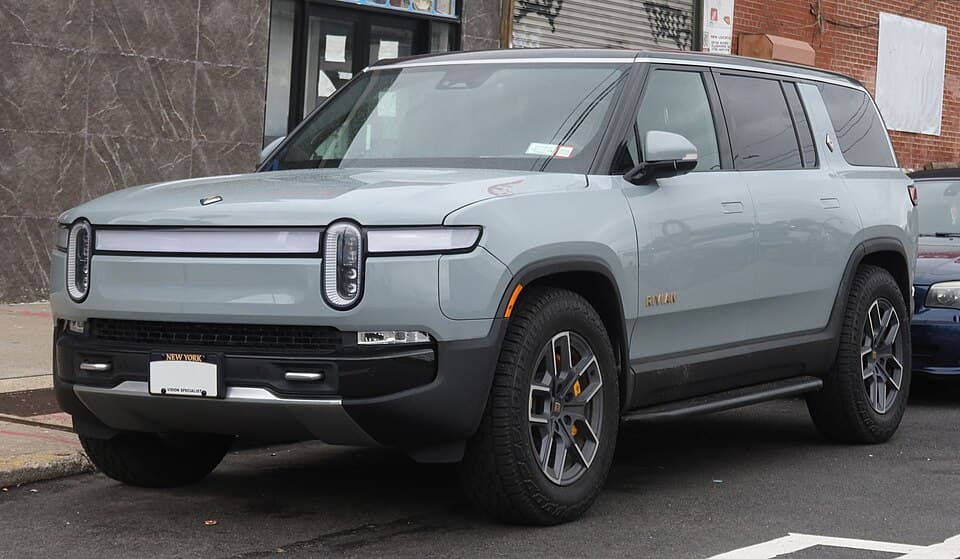
Rivian R1S
from $78,000410 mi range · tows 7,700 lbs
Three-row family SUV that can also climb a mountain.
Colorado EV guide
Colorado has one of the strongest state EV programs in the country. The Innovative Motor Vehicle Credit is worth $5,000 (state income tax credit). For vehicles under $35k MSRP, an additional $2,500 stacks on top — so a Denver buyer picking a sub-$35k EV can stack $7,500 state + typical $7,500–$10,000 in manufacturer cash discounts for $15,000+ total off sticker. (The federal $7,500 EV credit itself ended Sept 30, 2025 — see our manufacturer discount tracker.)
The Denver-Boulder-Fort Collins corridor has some of the best charging infrastructure outside California, including extensive Tesla Supercharger coverage and a dense Electrify America network on I-25.
The federal $7,500 EV credit ended Sept 30, 2025 — but these incentives are still live in 2026.
$5,000 state tax credit; +$2,500 if under $35k MSRP.
Most OEMs are offering cash on the hood to replace the lost federal credit. Varies by brand, model, and month.
30% of install cost up to $1,000 for personal use. Install before June 30, 2026.
Worth roughly $300–$600/year at typical loan rates and tax brackets.
Programs change. Verify state credits at the DOE state incentive database and federal status at irs.gov.
Picked for Colorado's climate, terrain, and the cars you'll actually see on dealer lots.
© Kevauto · CC BY-SA 4.0Three-row family SUV that can also climb a mountain.
 © Vauxford · CC BY-SA 4.0
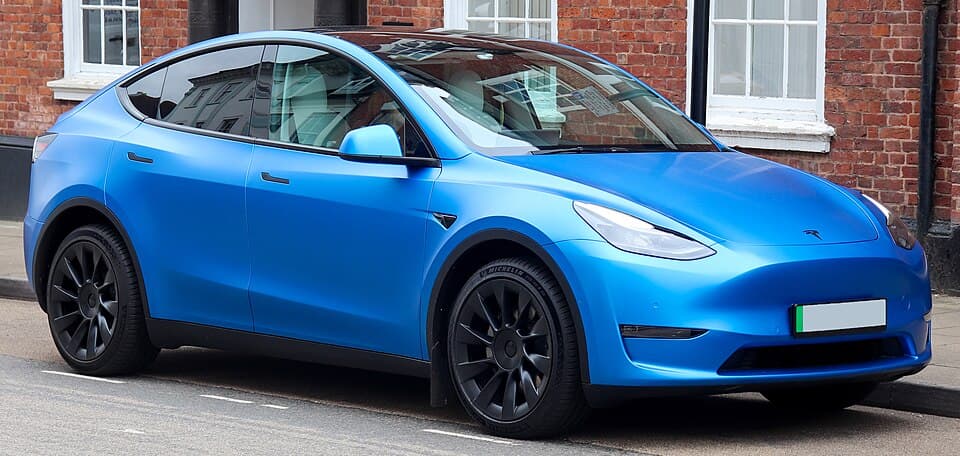
America's best-selling EV. Cargo space + Supercharger access.
 © © M 93 · CC BY-SA 3.0 de
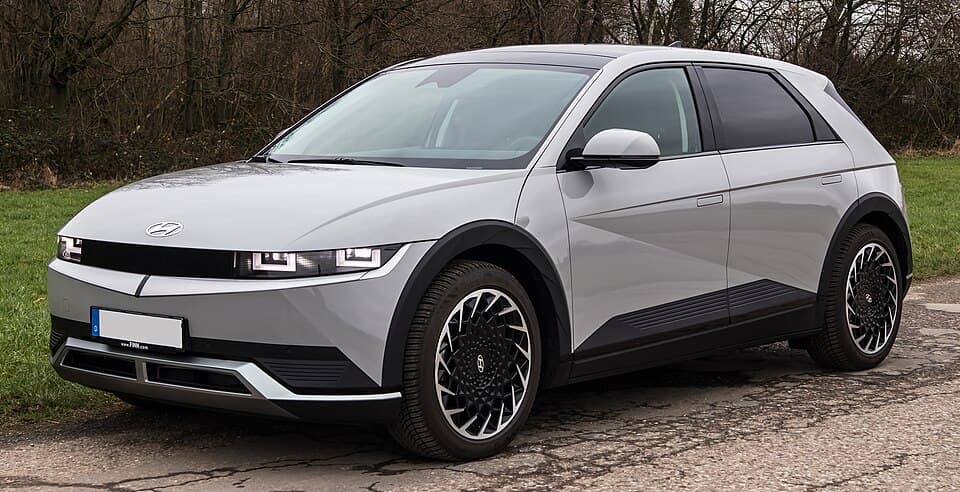
Retro-futurist styling, 18-minute fast charging.
 © Elise240SX · CC BY-SA 4.0
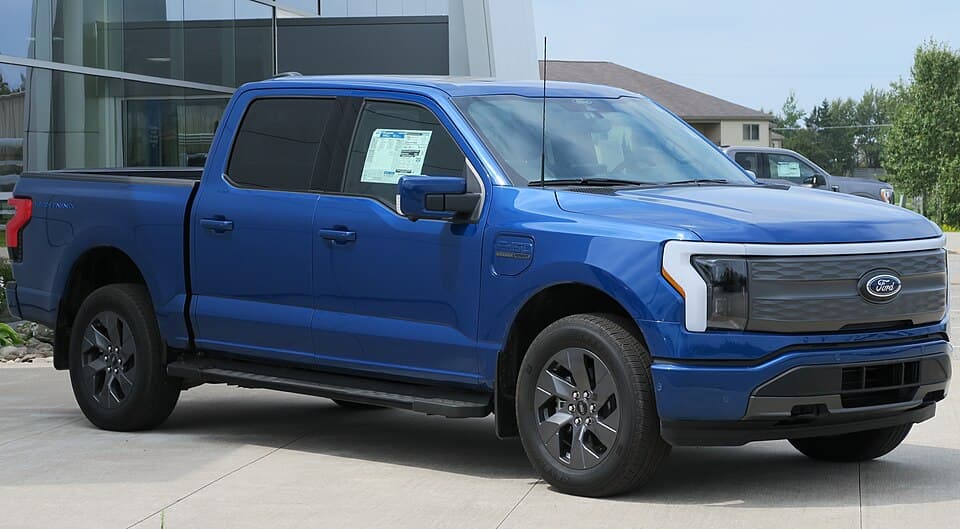
The familiar F-150, electric. Powers your house in a blackout.
Colorado winters are real — expect 25–30% range loss on the coldest weeks, more at altitude. Models with heat pumps (Tesla, Hyundai/Kia, newer Mach-Es) handle it best. Aim for at least 280 miles of EPA range so your real-world winter range stays comfortably above 200 miles.
Mountain driving is where Colorado's EV story gets interesting. Going up to Vail, Aspen, or the Indian Peaks Wilderness costs you range fast (climbing consumes energy aggressively). Coming back down, regen recovers a surprising amount — you can arrive at Idaho Springs with more battery than you had at Loveland Pass. Net-net, mountain trips use roughly 1.4× the range vs. flat equivalent.
AWD is essentially mandatory if you ski or live in the foothills. The Model Y AWD, Ioniq 5/EV6 AWD, R1S, and Mach-E AWD all handle Colorado winters well.
Xcel Energy is the dominant utility and offers EV-specific time-of-use rates that drop overnight charging to about $0.08/kWh. Most municipal utilities (Colorado Springs, Fort Collins, Loveland) have similar programs. Worth switching plans the day you get the car.
The mountain charging story: I-70 from Denver to the ski resorts has fast chargers at most exits (Idaho Springs, Silverthorne, Frisco, Vail, Glenwood Springs). Tesla Superchargers are well-spaced. The picture gets thinner once you leave the I-70 corridor — heading down to Telluride, Crested Butte, or up to Steamboat requires more planning.
The truck angle: if you actually use an electric truck for hauling building materials up to a mountain build site (very Colorado), expect ~50% range loss with a load. F-150 Lightning Extended Range and Silverado EV with 440 mi rating still get you to most mountain towns from Denver.
Solar at altitude: Colorado's mix of high elevation, clear skies, and cold-but-bright winters makes it an excellent solar state (~5.5 average peak sun hours). Pairing rooftop or off-grid solar with an EV is a popular Colorado stack, especially for foothills cabins and off-grid builds. Our sister site SolarControllerFinder covers DIY sizing — including cold-Voc math for the mountain installs.
The quiz factors in your driving, charging, budget, and your state's current incentives.
Take the quiz →