 © Vauxford · CC BY-SA 4.0
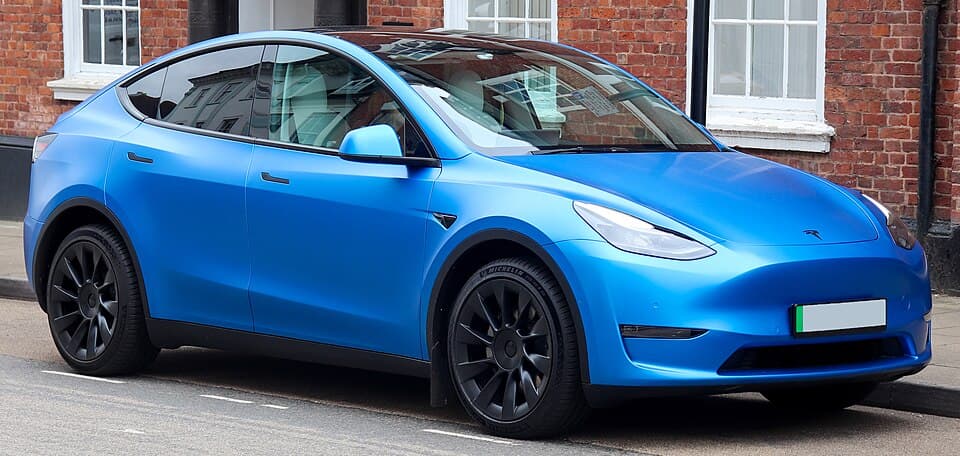
Tesla Model Y
from $45,000320 mi range · tows 3,500 lbs
America's best-selling EV. Cargo space + Supercharger access.
California EV guide
California is the easiest EV market in America. You have the densest charging network in the country, the most aggressive state incentive stack, every model on sale (often with California-exclusive trims), and a climate that's kind to batteries year-round. About one in four new cars sold in California is now an EV.
The combined manufacturer discount + state credit + utility stack regularly clears $10,000+ off for income-qualified buyers — sometimes more in disadvantaged communities through the Clean Vehicle Assistance Program (CVAP).
The federal $7,500 EV credit ended Sept 30, 2025 — but these incentives are still live in 2026.
Up to $7,500 income-tiered; check current funding.
Most OEMs are offering cash on the hood to replace the lost federal credit. Varies by brand, model, and month.
30% of install cost up to $1,000 for personal use. Install before June 30, 2026.
Worth roughly $300–$600/year at typical loan rates and tax brackets.
Programs change. Verify state credits at the DOE state incentive database and federal status at irs.gov.
Picked for California's climate, terrain, and the cars you'll actually see on dealer lots.
© Vauxford · CC BY-SA 4.0America's best-selling EV. Cargo space + Supercharger access.
 © Kevauto · CC BY-SA 4.0
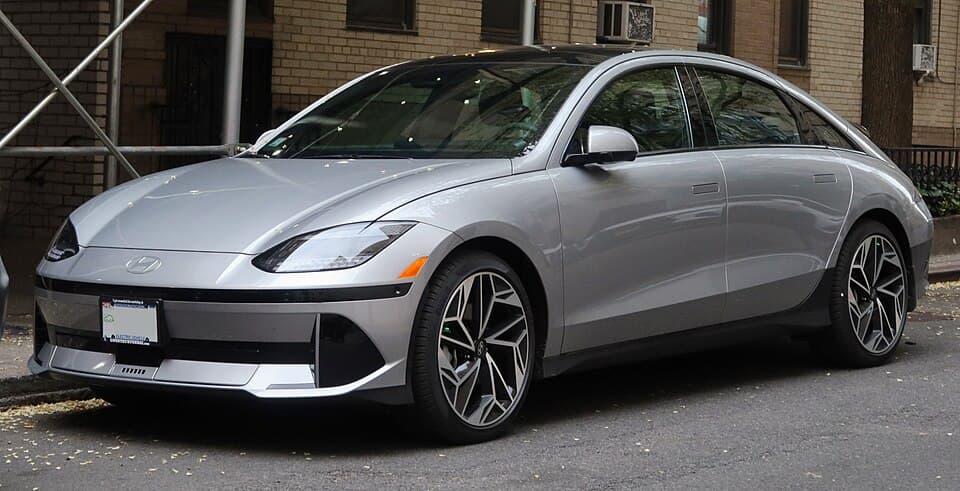
Longest range in its class. 18-minute fast charging.
 © Alexander-93 · CC BY-SA 4.0
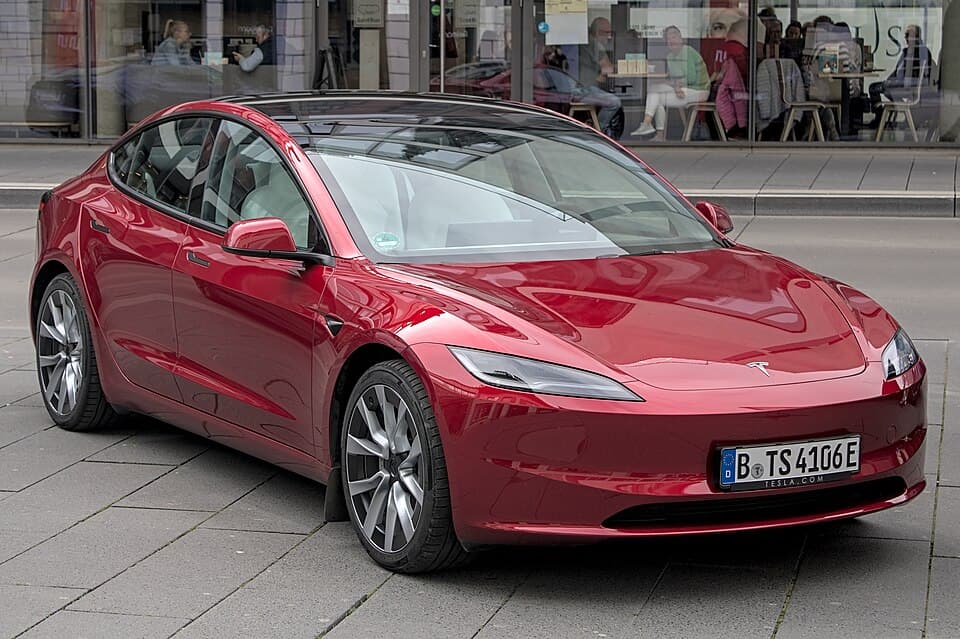
Best charging network in the country. Drives like a rocket.
 © Kevauto · CC BY-SA 4.0
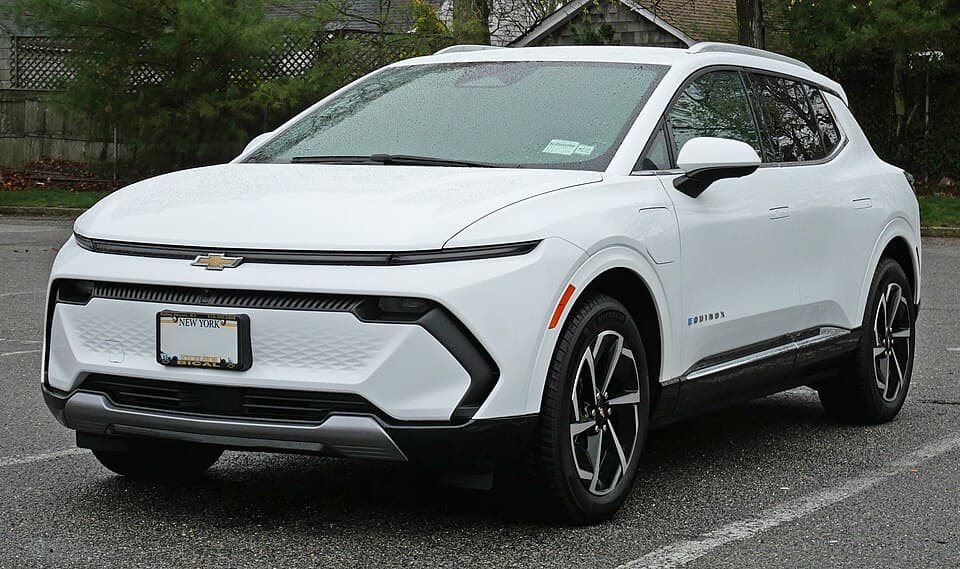
Best value EV SUV. 300+ miles for the price of a Camry.
California's climate is the friendliest in the country for EVs. Coastal areas see almost no cold-weather range loss (rarely below 50°F), and even inland and high-desert regions only see 10–15% winter dips. Summer heat in the Central Valley and Mojave is harder on the battery long-term — if you park in the open all day in Bakersfield or Indio, look for models with active liquid battery cooling (which is most modern EVs, but skip the older Leafs).
For mountain driving — Tahoe, the Sierras, the Grapevine — regen recovery on descents is significant. You can pull into Truckee with more battery than you had at the summit if you drive moderately. The newer Hyundai/Kia and Tesla models handle elevation extremely well.
California has roughly half of all DC fast chargers in the US. Tesla Superchargers are everywhere, and most non-Tesla EVs from 2025+ ship with NACS adapters that work on them. Electrify America's network is dense along I-5 and I-80, and EVgo/ChargePoint fill in the urban grid.
Home charging: California's time-of-use electricity rates make overnight charging dramatically cheaper than daytime. PG&E and SCE offer EV-specific rate plans that can cut your effective per-mile cost by half — worth calling and switching the day you get the car. Most utilities will also rebate $500–$1,500 toward a Level 2 home charger install.
Pairing with solar: California has the highest rooftop-solar adoption in the country, and pairing solar with an EV is a natural next step — your overnight EV charge becomes nearly free once the array is paid off. Our sister site SolarControllerFinder covers DIY off-grid and hybrid sizing if you're planning the install yourself.
The quiz factors in your driving, charging, budget, and your state's current incentives.
Take the quiz →