 © Vauxford · CC BY-SA 4.0
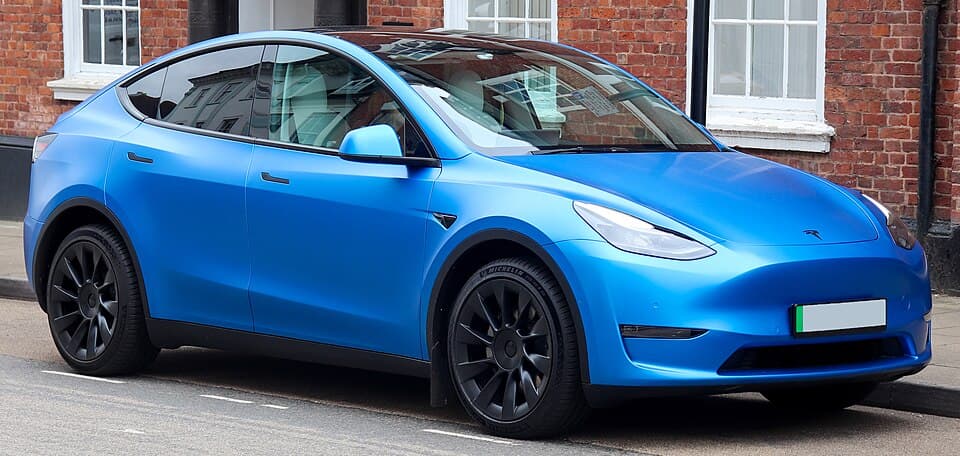
Tesla Model Y
from $45,000320 mi range · tows 3,500 lbs
America's best-selling EV. Cargo space + Supercharger access.
Arizona EV guide
Arizona doesn't have a state EV credit, but it has two underrated advantages: dirt-cheap residential electricity (much of it solar), and one of the fastest- growing charging networks in the country. The Phoenix metro alone now has more fast chargers per capita than most northeastern cities, and Tesla's gigafactory- adjacent Tucson activity has pushed even more infrastructure into the state.
With the federal $7,500 EV credit ended (Sept 30, 2025), manufacturer cash discounts of $7,500–$10,000 are now the main lever in Arizona. The honest tradeoff: Arizona heat is harder on batteries long-term than most owners initially account for.
The federal $7,500 EV credit ended Sept 30, 2025 — but these incentives are still live in 2026.
No major state-level EV purchase credit on file. Check your local utility for charger rebates ($200–$1,500 in many areas).
Most OEMs are offering cash on the hood to replace the lost federal credit. Varies by brand, model, and month.
30% of install cost up to $1,000 for personal use. Install before June 30, 2026.
Worth roughly $300–$600/year at typical loan rates and tax brackets.
Programs change. Verify state credits at the DOE state incentive database and federal status at irs.gov.
Picked for Arizona's climate, terrain, and the cars you'll actually see on dealer lots.
© Vauxford · CC BY-SA 4.0America's best-selling EV. Cargo space + Supercharger access.
 © © M 93 · CC BY-SA 3.0 de
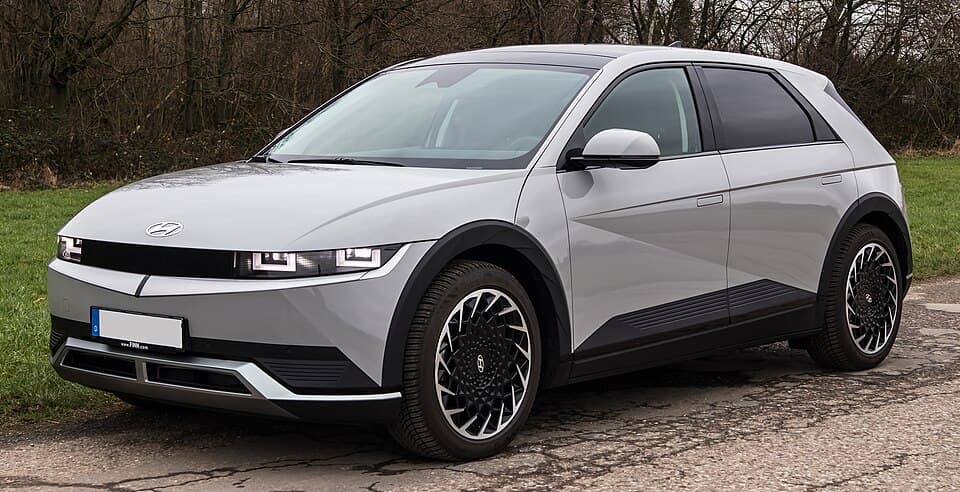
Retro-futurist styling, 18-minute fast charging.
 © Alexander-93 · CC BY-SA 4.0
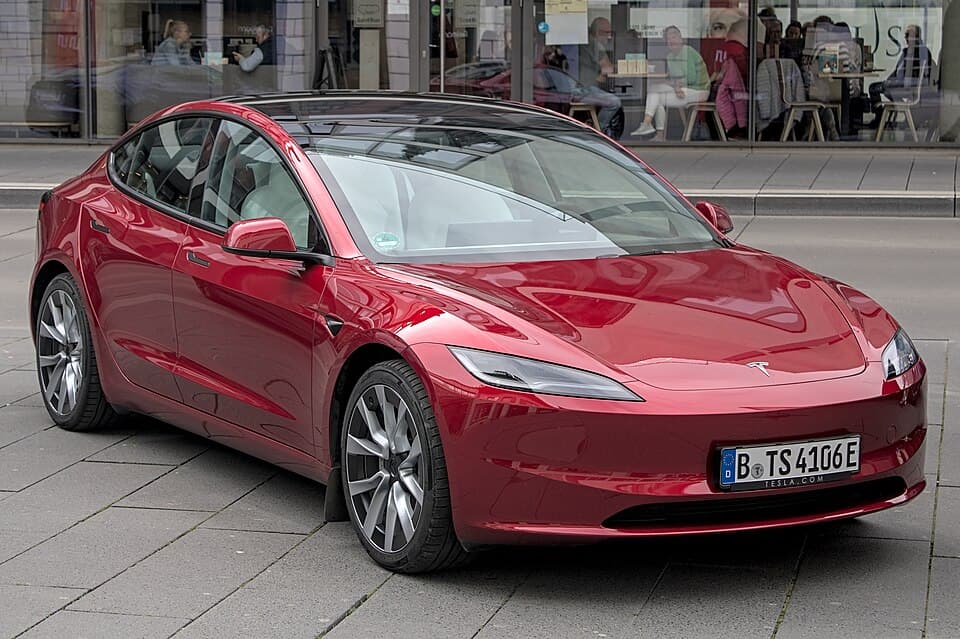
Best charging network in the country. Drives like a rocket.
 © Kevauto · CC BY-SA 4.0
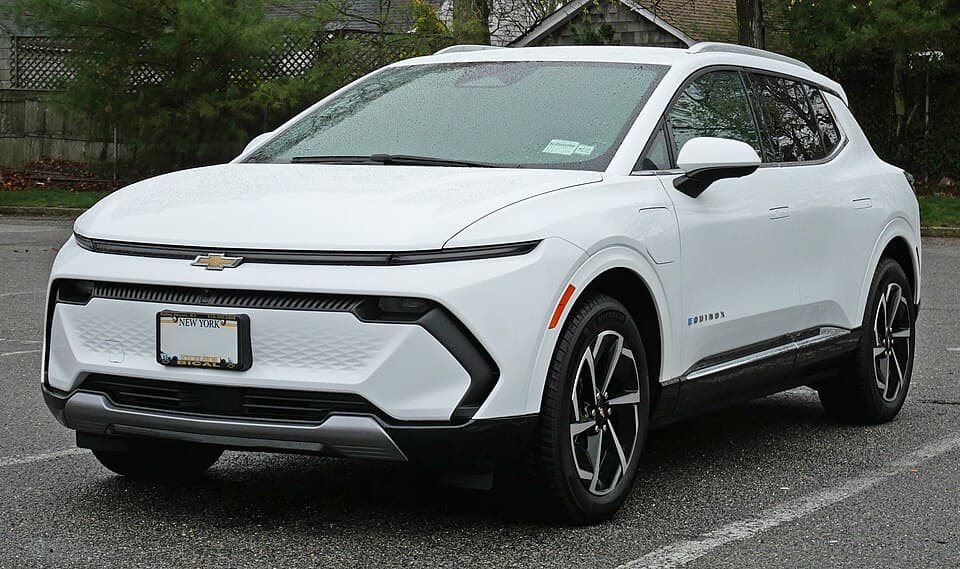
Best value EV SUV. 300+ miles for the price of a Camry.
Phoenix and Tucson summers are the harshest sustained-heat environment in the country — 110°F+ for weeks at a time, with cabin temps hitting 150°F in uncovered parking. Modern liquid-cooled battery packs (every modern EV) handle the heat fine in short-term performance, but accelerated long-term degradation is real. Plan on losing an extra 1–2% of battery capacity per year compared to a cooler climate.
Mitigations that work: garage parking (a covered carport is enough), avoiding charging to 100% in summer, and not letting the car sit at a low SOC in the heat. Tesla and Hyundai/Kia batteries have the best heat tolerance based on owner data; older air-cooled Nissan Leafs (pre-2018) age fastest in AZ — avoid them used.
Winter in Arizona is non-existent for EV range purposes. Even Flagstaff and the high country see only a few weeks of real cold per year.
Arizona electricity is among the cheapest in the country. APS, SRP, and TEP all offer EV-specific time-of-use rate plans that drop overnight charging to as low as $0.06/kWh. That makes EV fueling cost about $0.02 per mile — roughly half what even an efficient hybrid costs to operate.
Rooftop solar combo: Arizona has the highest solar generation per capita of any state, and SRP's net-metering plus EV-specific rates can make your effective EV fuel cost almost zero during sunny months. Adding rooftop solar after getting an EV is one of the most common Arizona upgrade paths. Our sister site SolarControllerFinder walks through DIY sizing for home, cabin, and off-grid Arizona builds.
Highway charging: I-10, I-17, I-40, I-8 all have well-spaced fast chargers. Tesla Supercharger density is excellent in Phoenix metro and on I-17 to Flagstaff. Rural Arizona — Sedona, Page, the Navajo Nation areas — still has significant gaps and requires planning.
The quiz factors in your driving, charging, budget, and your state's current incentives.
Take the quiz →