 © © M 93 · CC BY-SA 3.0 de
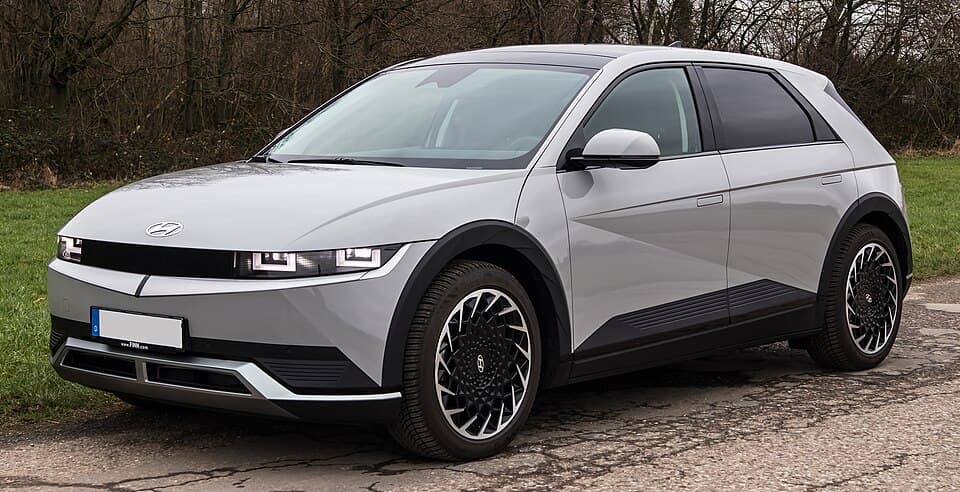
Hyundai Ioniq 5
from $42,000303 mi range · tows 2,300 lbs
Retro-futurist styling, 18-minute fast charging.
Alaska EV guide
Alaska is the honest hard case. There is no state EV credit and no state income tax — the oil-dividend economy and the lowest population density in the country mean charging infrastructure is decades behind the lower 48. The state has not completed its NEVI corridor buildout and is unlikely to finish on the original federal timeline.
With the federal $7,500 EV credit ended Sept 30, 2025, manufacturer cash discounts of $7,500–$10,000 are the main lever. For Anchorage and Fairbanks commuters with a home charger, an EV genuinely works. For anyone in bush Alaska, off the road system, or commuting between hub cities by car, an EV is still the wrong tool — a hybrid or diesel is the honest answer.
The federal $7,500 EV credit ended Sept 30, 2025 — but these incentives are still live in 2026.
No major state-level EV purchase credit on file. Check your local utility for charger rebates ($200–$1,500 in many areas).
Most OEMs are offering cash on the hood to replace the lost federal credit. Varies by brand, model, and month.
30% of install cost up to $1,000 for personal use. Install before June 30, 2026.
Worth roughly $300–$600/year at typical loan rates and tax brackets.
Programs change. Verify state credits at the DOE state incentive database and federal status at irs.gov.
Picked for Alaska's climate, terrain, and the cars you'll actually see on dealer lots.
© © M 93 · CC BY-SA 3.0 deRetro-futurist styling, 18-minute fast charging.
 © Vauxford · CC BY-SA 4.0
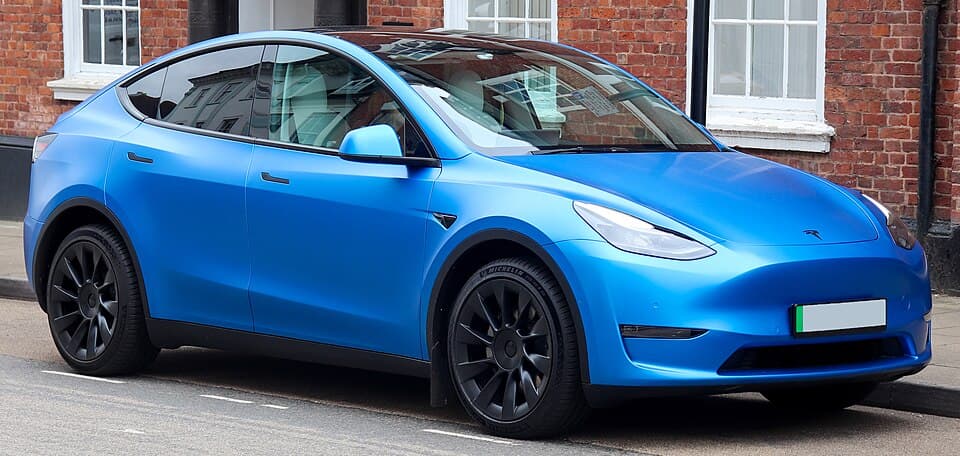
America's best-selling EV. Cargo space + Supercharger access.
 © Vauxford · CC BY-SA 4.0
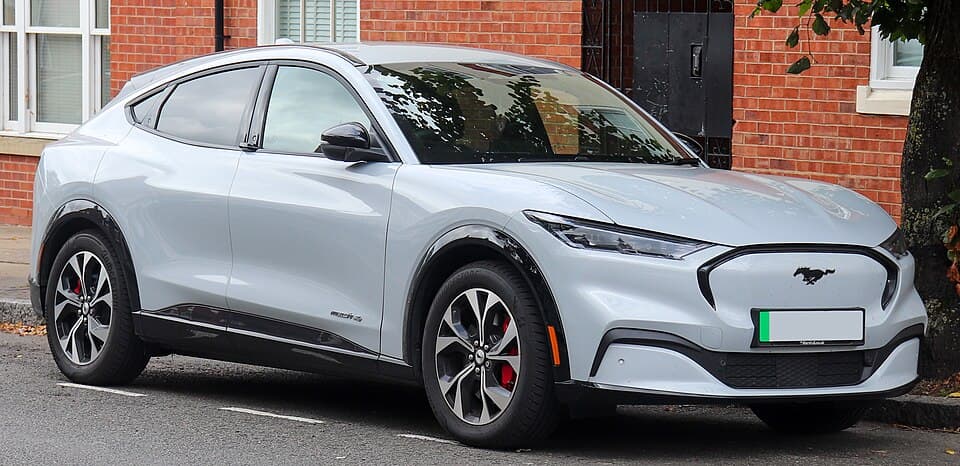
Now with Supercharger access. Roomy and quick.
 © Kevauto · CC BY-SA 4.0
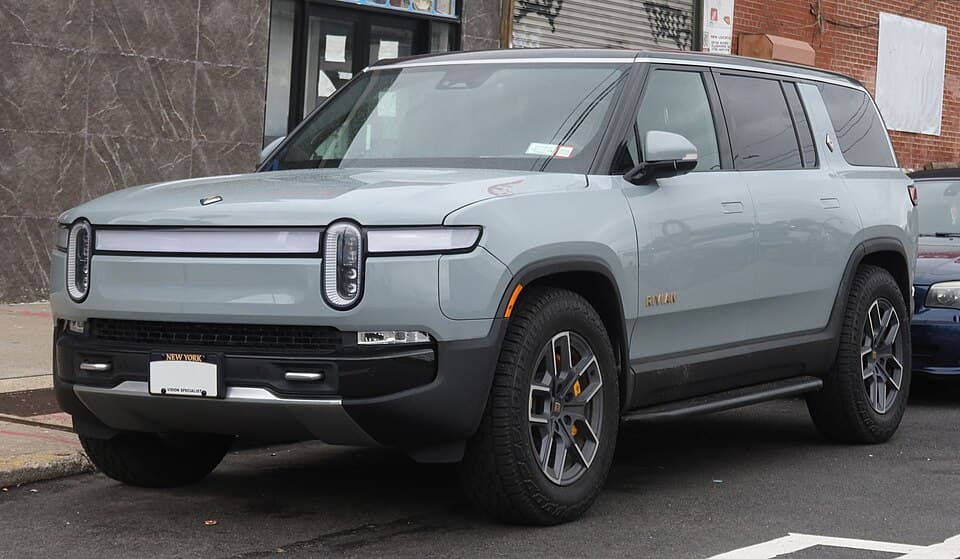
Three-row family SUV that can also climb a mountain.
Fairbanks regularly sees -40°F in January and February. Anchorage is milder (single digits to teens) but still brutal by lower-48 standards. Cold-soak range loss is the dominant factor: expect 30–40% range loss on the coldest weeks in Fairbanks, 20–30% in Anchorage. Battery preconditioning and a heat pump are not nice-to-haves here — they are essential.
Heat-pump-equipped EVs (Hyundai Ioniq 5/6, Kia EV6/EV9, newer Ford Mach-E, Tesla Model Y) lose meaningfully less in deep cold than resistive-heat-only EVs. Skip the older Nissan Leaf entirely in Alaska — passive air cooling and resistive heat are the worst possible combination for Interior winters.
AWD is essentially mandatory. Studded tires are legal September 15 through May 1 statewide and standard practice. Garage parking with a plugged-in EV that can pre-warm before you leave makes the difference between an EV that works in Alaska and one that doesn't.
Anchorage has a Tesla Supercharger (opened 2023) and a growing Electrify America footprint. Fairbanks has L2 coverage and a small number of DC fast chargers. The Parks Highway between Anchorage and Fairbanks (about 360 miles) has improved but is still the most committed EV road-trip in the US — plan every charging stop and don't attempt it in deep winter without a long-range battery and backup plan.
Chugach Electric (Anchorage) and Golden Valley Electric (Fairbanks) both offer EV-specific time-of-use rates. Overnight rates are reasonable by Alaska standards but Alaska electricity is broadly expensive ($0.22–0.28/kWh average) — the per-mile cost advantage over gas is smaller here than anywhere else in the country.
Ferry travel: the Alaska Marine Highway accepts EVs but charging on the ferries is L1 only. Plan accordingly for Inside Passage or Aleutian Chain travel — you'll arrive at the next port closer to empty than you left.
The honest Alaska verdict: if you live in Anchorage or Fairbanks proper and rarely leave the road system, an EV with a heat pump and AWD works. If you live anywhere else — Kenai, the Mat-Su valley fringe, Southeast outside Juneau, anywhere off the road system — a hybrid is still the right answer. Don't let anyone tell you otherwise.
The quiz factors in your driving, charging, budget, and your state's current incentives.
Take the quiz →